Breaking Bad 101
The Complete Critical Companion
The ultimate guide to the greatest show on television. Deep analysis, behind-the-scenes secrets, and exclusive insights.



Pluribus arrived with expectations shaped by prestige television conventions, but its deliberate pacing and procedural focus have produced polarized reactions. The series positions institutional mechanics and small administrative acts at the center of its narrative, prompting some viewers to call it slow and others to praise its thematic rigor. This development has made Pluribus one of the most discussed TV shows on Apple TV this season.
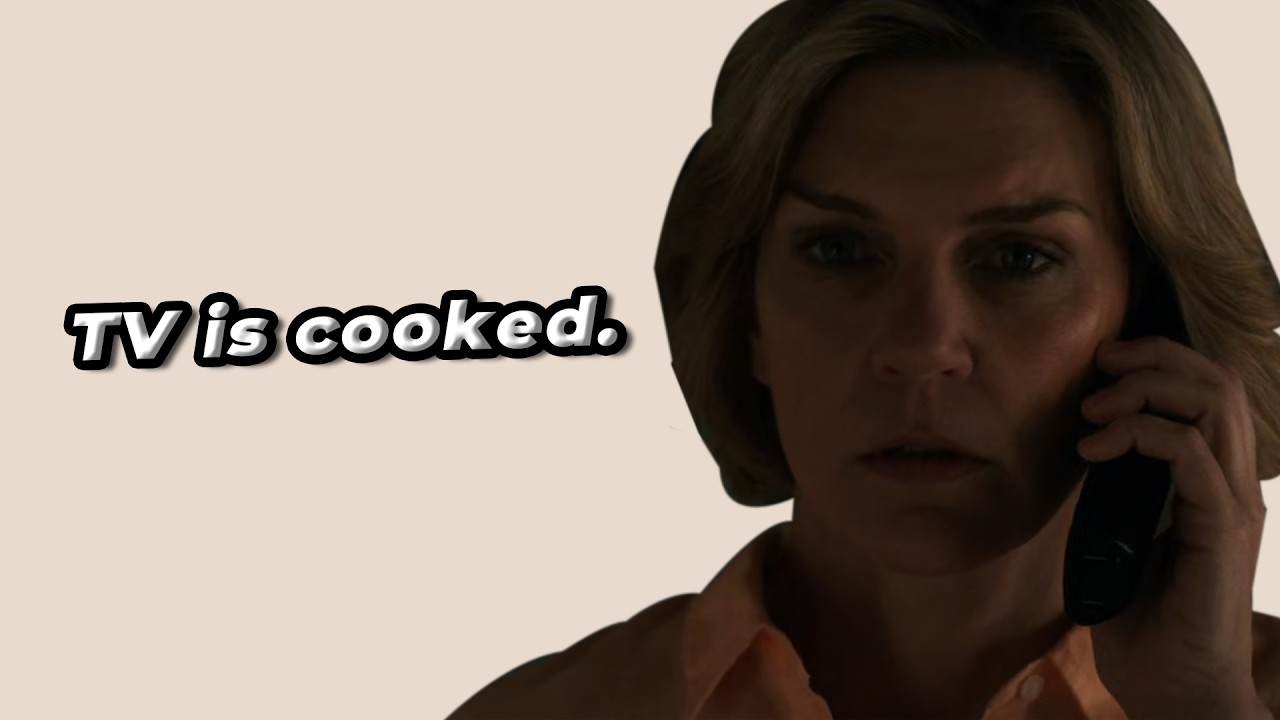
The series privileges accumulation—small decisions, ledger entries, and routine rituals—over immediate dramatic revelation. Episodes often linger on administrative details: ration lists, council minutes, and standardized greetings are treated as evidentiary objects that advance plot. That formal choice reframes suspense as the gradual consequence of policy rather than as action set pieces.
Production choices amplify this intent. Cinematography favors medium frames and close work on hands and documents; sound design emphasizes ambient textures and recurring motifs rather than orchestral cues. The Apple TV production values are apparent but intentionally restrained, reinforcing a sense that the TV show seeks plausibility and analytic engagement over spectacle.

Because Pluribus emphasizes process, characters accrue moral debt through incremental compromises rather than single pivot moments. Leaders and administrators make pragmatic choices that have broader social consequences, and the narrative disperses responsibility across networks rather than concentrating culpability in a single antagonist. This dramaturgy complicates traditional hero–villain binaries.
Viewers responding unfavorably to the show often cite this diffuse moral architecture as frustrating, since the absence of tidy resolutions can feel like narrative opacity. Conversely, critics who defend the show highlight how that ambiguity mirrors real institutional complexity—policy decisions have downstream ethical effects that are rarely reducible to clear verdicts. The result is a TV show whose moral argument is as procedural as it is philosophical.

Part of the controversy around Pluribus stems from mismatched audience expectations. Many viewers approach new releases anticipating rapid plot propulsion or genre‑defined payoffs; Pluribus deliberately subverts that rhythm by asking attention for its accumulative logic. Fans have noticed that clues and payoffs are seeded early in seemingly mundane scenes, which rewards repeat viewing and close attention.
Marketing and word‑of‑mouth also play roles in reception. The show’s promotional framing emphasized auteur pedigree and high production values, which attracted viewers expecting a certain narrative cadence. When the series instead prioritized administrative texture and ethical inquiry, some audiences interpreted the restraint as opacity. Industry observers note that this tension is common for serialized dramas that trade on slow‑burn structure in a streaming era that often privileges immediacy.
Pluribus demands interpretive labor: viewers are asked to read artifacts, track procedural decisions, and infer institutional logic. The series frames governance as a cumulative craft, and many of its most consequential scenes hinge on small gestures—who signs a form, who enumerates rations, which phrase becomes ritualized. That storytelling posture converts mundane acts into narrative fulcrums.
Critics argue that this method yields durable thematic rewards. The show’s interrogation of legitimacy, information control, and the ethics of adaptation has prompted discussion beyond typical fan forums, bringing political and philosophical questions into entertainment coverage. For those willing to engage, Pluribus functions as a serialized case study in how institutions are built and how ordinary actions create systemic effects.
Ultimately, the debate over Pluribus reflects broader tensions in contemporary television about pace, payoff, and audience attention. The series on Apple TV is intentionally constructed to be methodical, and that construction will satisfy viewers who seek narrative density and ethical complexity. For others, the same qualities register as sluggishness or obfuscation. Either way, Pluribus has succeeded in sparking substantive conversation—an outcome that suggests its ambitions, whether universally liked or not, have reshaped expectations about what serialized drama can interrogate and how it can ask viewers to participate in meaning-making.

Debate about Pluribus has centered on the nature of the signal that appears to accompany societal alignment, and a...
At PaleyFest NY 2025, creators and cast of Pluribus discussed the show’s development, revealing that a central role was...
Pluribus concludes its inaugural season with Episode 9, “La Chica o El Mundo,” an ending that reframes earlier narrative...
Discussion around Pluribus has intensified since Season 1 concluded, with fans and commentators submitting theories that range from plausible...

© 2025 PLURIBUS SERIES | We are not affiliated with Apple TV+, our content is not official or endorsed by them in any way.