Breaking Bad 101
The Complete Critical Companion
The ultimate guide to the greatest show on television. Deep analysis, behind-the-scenes secrets, and exclusive insights.


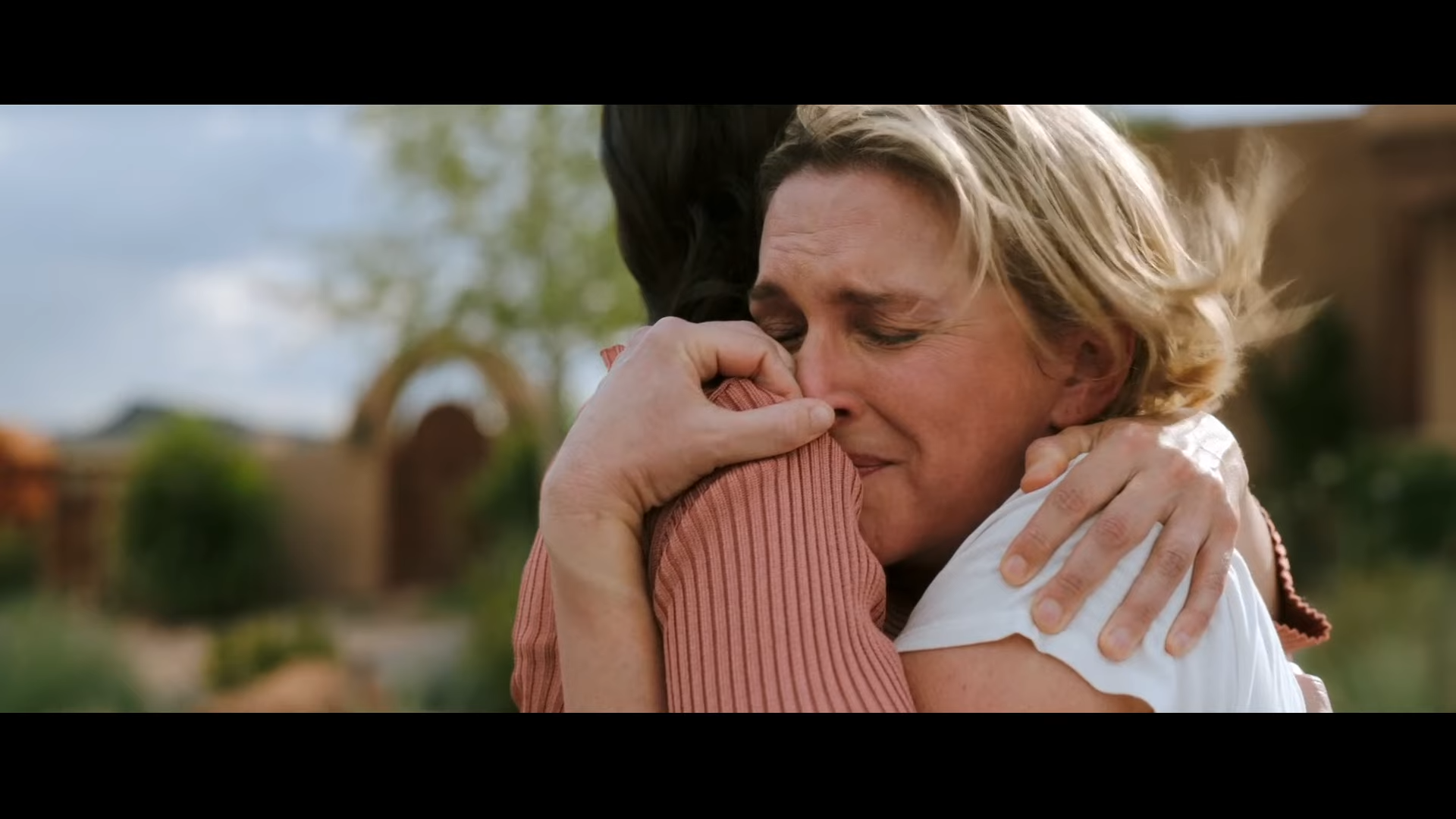
At a recent event, Vince Gilligan and Rhea Seehorn participated in a lighthearted “Kim or Carol?” segment that offered surprising insight into character construction and the creative process behind Pluribus. The session—part playful game, part industry conversation—illuminated how performance choices, casting intent, and collaborative rehearsals shaped the Apple TV TV show’s tone. Viewers and critics have seized on the exchange to better understand the show’s tight dramaturgy and ethical focus.

Gilligan and Seehorn emphasized the series’ reliance on understated acting choices rather than large dramatic flourishes. The program’s aesthetic privileges silence, micro‑gesture, and calibrated pauses, so that much of the character work depends on what is withheld as much as on what is spoken. The “Kim or Carol?” format highlighted how specific mannerisms—gait, posture, a delayed reply—were consciously developed to convey history and moral tension without explicit exposition.
The creative team described a rehearsal approach that prioritized the accumulation of small details. Blocking, camera coverage, and prop interactions were shaped to make those details readable on camera; production design and direction were calibrated to ensure that a hand reaching for a ledger or a glance at a noticeboard functioned as narrative evidence. That integrated approach explains why fans report rewatching episodes to catch previously unseen cues.

The segment underscored how contrasting character logics—represented by figures like Kim and Carol—serve the show’s broader political inquiry. Gilligan pointed out that characters were conceived to embody different pragmatic responses to collapse: some prioritize community cohesion through ritual, others negotiate autonomy through resistance. Seeing the creators and lead actor riff on who would perform certain small actions made explicit how personality traits were used to dramatize institutional choices.
Viewers have noticed that the show distributes responsibility across ensembles rather than centralizing blame, and the exchange illustrated how that distribution was deliberate. By distinguishing between characters through a playful lens, the segment clarified why certain narrative reversals feel earned: they arise from previously established behavioral logic rather than sudden plot contrivance. The game thus functioned as a revealing shorthand for the writers’ method.
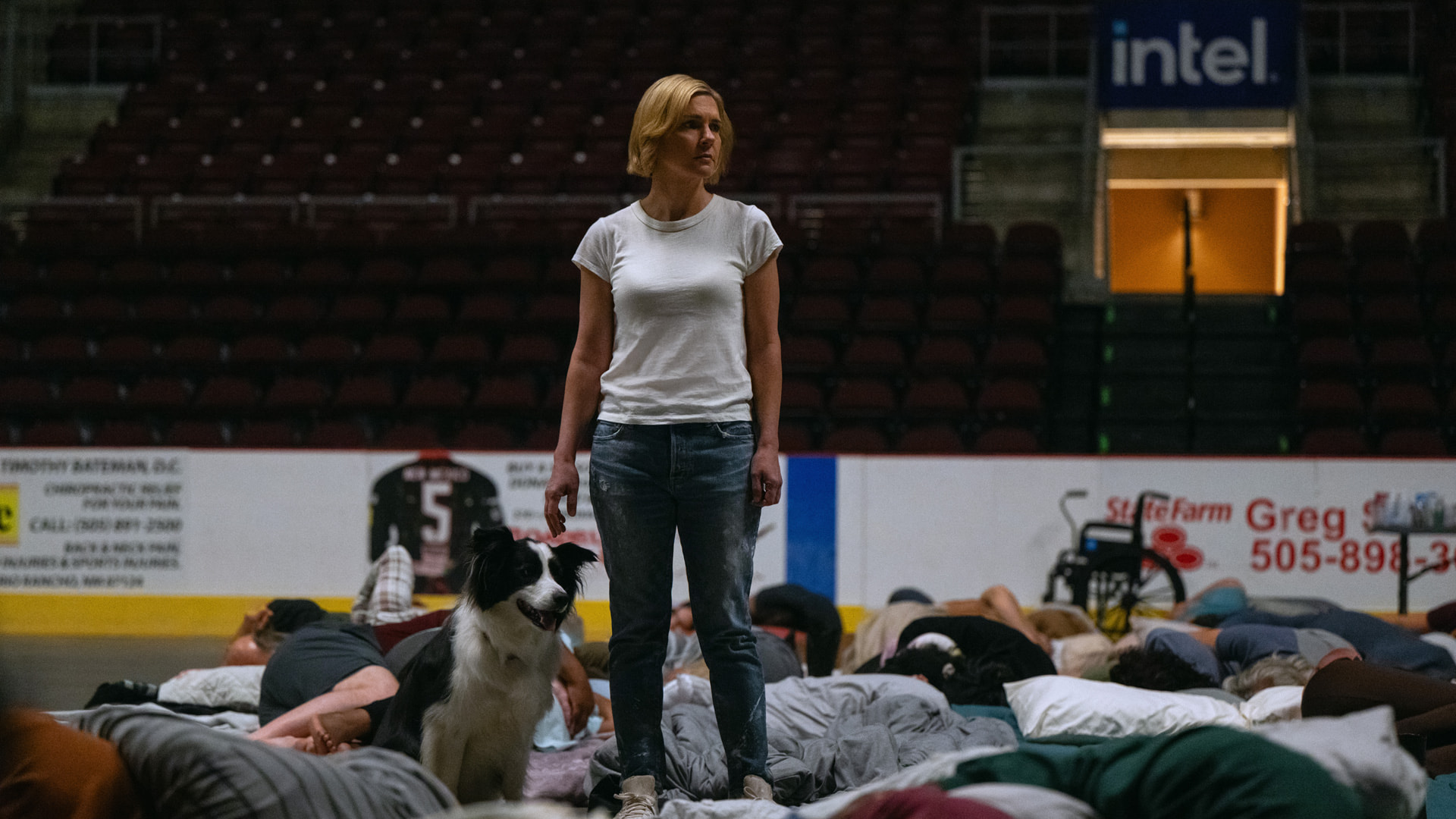
Beyond entertainment, the conversation hinted at thematic continuities likely to shape future seasons. Gilligan and Seehorn discussed how procedural detail and ritualized practices are not mere texture but the mechanisms through which social order is negotiated in the show. The talk suggested that subsequent episodes will continue to foreground governance, information control, and the ethics of repair—questions the pair framed as civic rather than purely narrative concerns.
Their dialogue also touched on the collaborative nature of television production on Apple TV: iterative scripting, actor input, and director‑writer conversations were presented as central to preserving tonal coherence. Such a production model supports long‑form storytelling that privileges cumulative payoff over immediate answers, and it signals that the creative team intends to maintain the show’s patient, forensic approach rather than pivot to conventional genre spectacle.
Industry observers took note of how the playful segment functioned as soft publicity while offering substantive insights. The exchange provided a rare behind‑the‑scenes view without surrendering narrative secrets, making it useful for critics and audiences alike who are trying to parse the show’s deliberate ambiguity. For those tracking Pluribus on Apple TV, the discussion reaffirmed why the series rewards attentive viewing: its pleasures arise from connecting performance, design, and procedural detail into a coherent thematic argument.
In closing, the “Kim or Carol?” interaction between Vince Gilligan and Rhea Seehorn served double duty: it entertained while illuminating the creative mechanics that underpin Pluribus. The segment made clear that the series’ moral and political complexity is a product of deliberate casting, disciplined performance, and meticulous production choices. As the show continues to generate discussion, such conversations help translate playful moments into meaningful critical insights about serialized storytelling and institutional drama.

Pluribus creator Vince Gilligan has offered the first substantive update on Season 2’s production and release strategy, providing details...
The Pluribus Season 1 finale, “La Chica o El Mundo,” closes the inaugural arc by converting accrued procedural detail...
The finale of Pluribus prompted intense debate about the mechanisms behind widespread behavioral alignment, and one provocative reading suggests...
Pluribus has polarized audiences with its deliberate pacing and dense procedural logic, prompting debates about whether the series’ ambiguity...

© 2025 PLURIBUS SERIES | We are not affiliated with Apple TV+, our content is not official or endorsed by them in any way.