Breaking Bad 101
The Complete Critical Companion
The ultimate guide to the greatest show on television. Deep analysis, behind-the-scenes secrets, and exclusive insights.


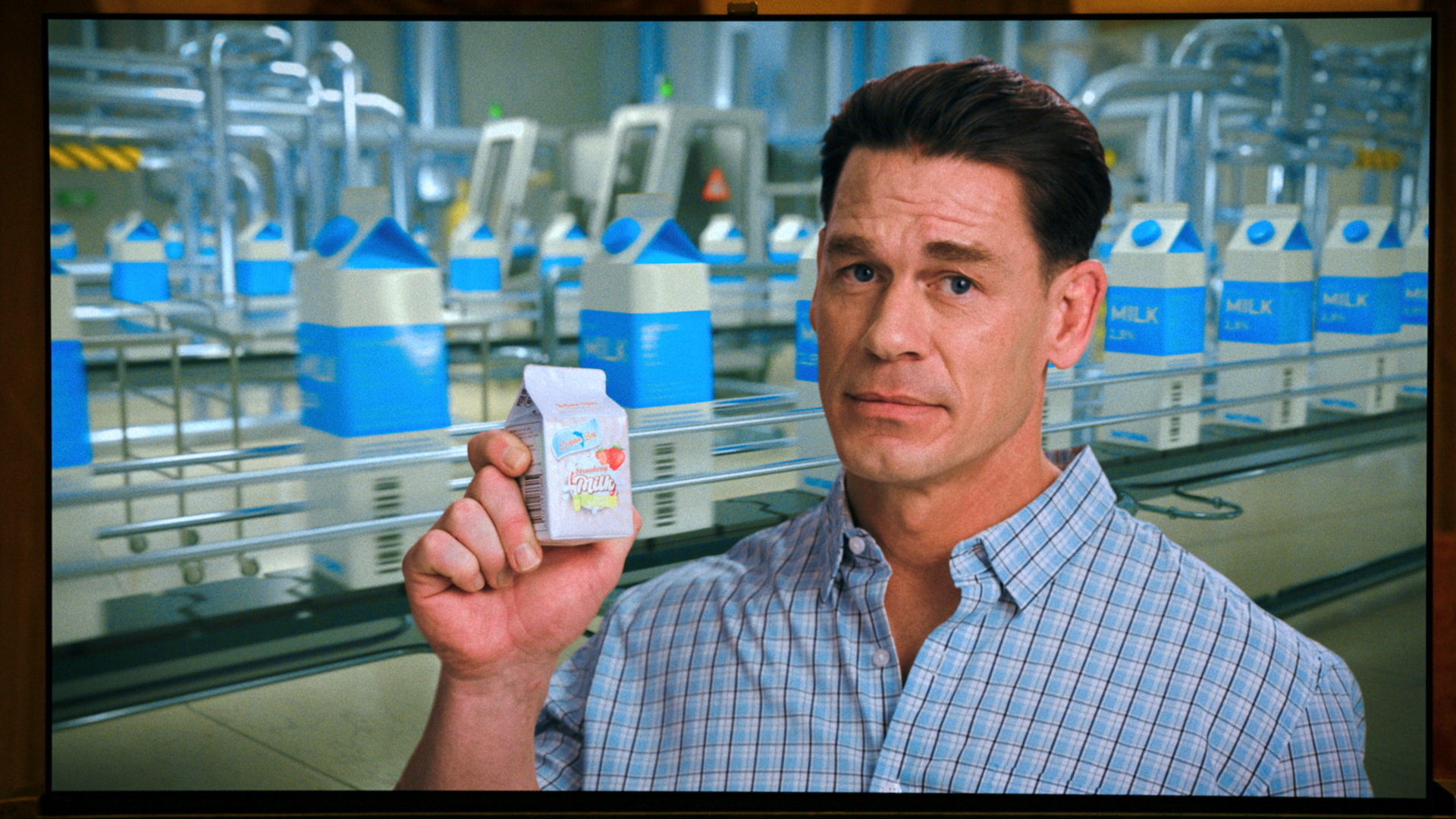
Rhea Seehorn’s association with Pluribus has sparked a wave of creative responses, from fan art to editorial illustration, underscoring the series’ impact beyond conventional review cycles. The Apple TV show’s aesthetic and thematic density — its focus on ritual, governance, and the slow accrual of social consequence — lends itself to visual interpretation. Artists and illustrators have used portraiture and mixed media to capture the show’s tonal complexity and the moral weight of Seehorn’s central performance.
Fans and professional artists have produced a range of drawings and stylized renderings that reinterpret Seehorn’s character through varied visual vocabularies. Some pieces emphasize minimalism — stark lines and muted palettes that mirror the show’s austere production design — while others adopt expressive brushwork to foreground emotional turbulence. These artworks function as a form of critique, using visual shorthand to spotlight themes that critics have discussed in prose: conformity, ritualized behavior, and the moral calculus of governance.
Viewers have noticed that portraiture often highlights subtle performance cues — a particular look, a hand gesture, the weight of silence — which the TV show uses to communicate backstory and interiority. Illustrators tend to focus on these small, performative details because they serve as accessible entry points for audiences trying to translate serialized nuance into a single frame. In that sense, art serves both as homage and as an interpretive lens.

The show’s production design and cinematography provide a rich visual lexicon for artists. Elements such as muted color schemes, repurposed props, and close framing inform stylistic choices in fan and commissioned art. Apple TV’s investment in tactile mise-en-scène has made it easier for visual creators to replicate the series’ texture, producing illustrations that feel faithful to the original while offering fresh perspective on mise-en-scène and mood.
Beyond surface replication, some visual works explore the symbolic architecture of the series: ledger books, sanctioned rituals, and registry forms recur as motifs in drawings that aim to decode the show’s institutional critique. These visual motifs help articulate the program’s thesis that systems and language can be instruments of alignment. For observers, the artwork becomes a shorthand for unpacking how the series dramatizes the relationship between procedure and power.
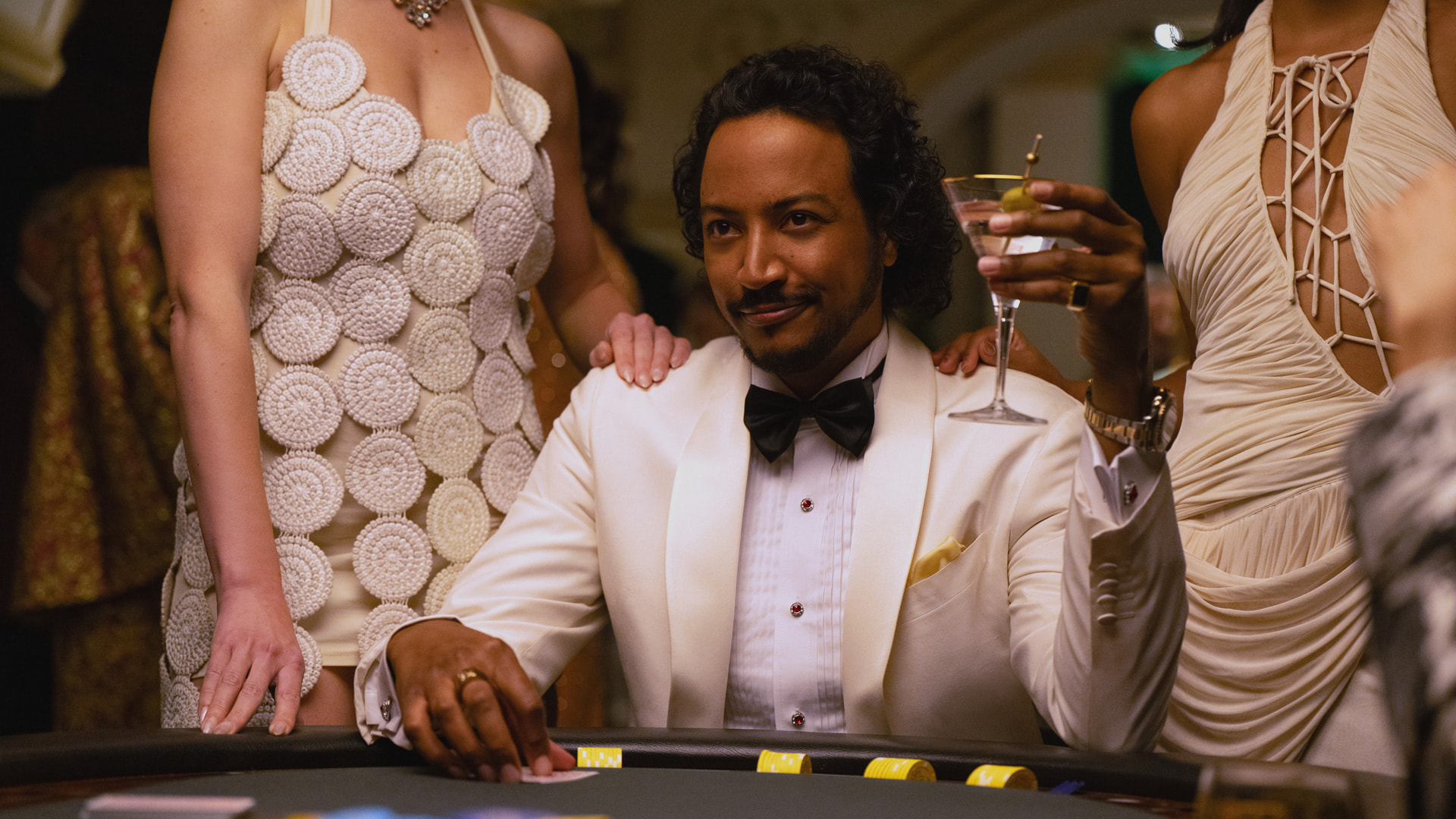
Seeorn’s increasing prominence — validated by critical attention and awards recognition — has accelerated the circulation of her image within fan communities and professional circles. Portraits of the actor function as cultural tokens that help sustain discourse around the TV show; they keep conversations alive between broadcast cycles and signal the program’s broader resonance. In addition, commissioned drawings and prints have become a site of microeconomies where creators monetize interpretive labor tied to the series.
Artists who engage with the show’s iconography also contribute to a participatory media ecology in which fans, critics, and creators exchange interpretations across platforms. These visual interventions can influence public perception, directing attention to particular thematic elements and encouraging renewed critical scrutiny. Consequently, the circulation of Seehorn-focused artwork operates as both fan practice and informal criticism.
In closing, the proliferation of Rhea Seehorn portraits and Pluribus-inspired drawings demonstrates how a TV show can extend its cultural footprint through visual art. The Apple TV series provides rich material for visual interpretation: its procedural focus, tonal restraint, and moral complexity translate effectively into portraiture and symbolic illustration. For critics and fans alike, such artwork offers an alternate mode of engagement — one that complements critical prose by rendering the show’s core tensions visible in single, resonant images.

At PaleyFest NY 2025, creators and cast of Pluribus discussed the show’s development, revealing that a central role was...
Pluribus concludes its inaugural season with Episode 9, “La Chica o El Mundo,” an ending that reframes earlier narrative...
Discussion around Pluribus has intensified since Season 1 concluded, with fans and commentators submitting theories that range from plausible...
Pluribus arrives as a deliberately paced, idea‑driven series that has polarized audiences and critics. The Apple TV show foregrounds...

© 2025 PLURIBUS SERIES | We are not affiliated with Apple TV+, our content is not official or endorsed by them in any way.