Breaking Bad 101
The Complete Critical Companion
The ultimate guide to the greatest show on television. Deep analysis, behind-the-scenes secrets, and exclusive insights.


Rhea Seehorn spoke briefly on the Critics Choice Awards 2026 red carpet about the future of Pluribus, confirming that Season 2 is underway while emphasizing an actor‑first production rhythm. The actress noted that scripts have arrived incrementally and that she approaches the role one script at a time. This development has sparked renewed interest in how the Apple TV TV show will expand its inquiry into institutional and ethical consequences.
Seehorn said she receives scripts gradually rather than in a full season packet, a workflow that the creative team appears to favor for both secrecy and artistic focus. The staged delivery method aligns with the show’s preference for controlled revelation and tight narrative economy. Viewers have interpreted this approach as a deliberate choice to preserve ambiguity and to allow performances to evolve organically with the writing.
Producers framed the incremental scripting as a practical measure to refine character beats episode by episode. The arrangement permits writers to react to emergent storylines and to calibrate moral stakes based on earlier performance choices. That flexibility has been cited by industry observers as consistent with auteur‑driven television practices, particularly for high‑concept, character‑led dramas on streaming platforms.

The series’ thematic concerns—governance, ritualized compliance, and the ethics of repair—are likely to be central in forthcoming episodes, and Seehorn’s remarks suggest the creative team will continue a measured rollout. Fans have noticed that Season 1 favored procedural detail and moral ambiguity, and the one‑script approach may allow the writers to deepen those elements in response to audience and critical reaction. This method could enable more precise staging of institutional consequences across the season arc.
Writing staff reportedly view the incremental script model as a means to preserve narrative friction and to avoid premature resolution of key mysteries. For a TV show that foregrounds small administrative acts—ledgers, protocols, and ritualized practices—episode‑by‑episode refinement can maintain tonal coherence while allowing thematic amplification. Industry analysts suggest this may result in a season that expands geography and political stakes while retaining the show’s signature intimacy.
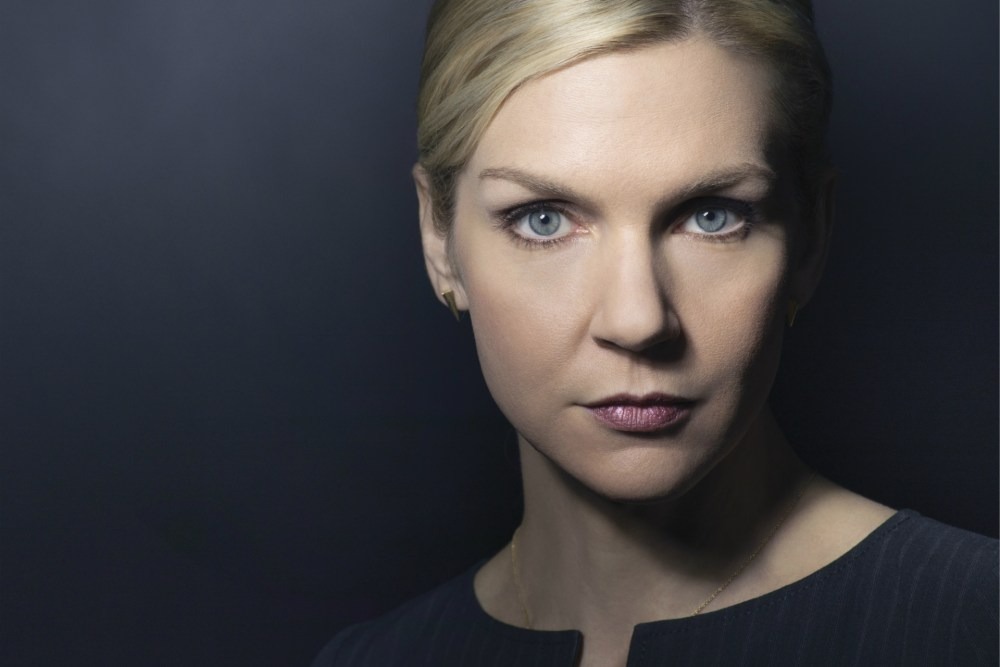
Seehorn’s emphasis on receiving one script at a time has a direct bearing on performance strategy. Actors working under this model often must cultivate a readiness to shift tonal registers without long‑range spoilers, which can yield more reactive and authentic portrayals. The show’s ensemble, already praised for its subtlety in Season 1, benefits from this rehearsal cadence by allowing micro‑adjustments to accumulate into richer character arcs.
Creative collaborators noted that the approach also mitigates the risk of telegraphed arcs and preserves the mystery that fuels audience speculation. For a program on Apple TV that trades on viewer attention to small gestures and administrative detail, this performance discipline reinforces the narrative’s commitment to implication over explicit exposition. The result is a sustained dramatic economy in which revelation is earned rather than bestowed.
In closing, Rhea Seehorn’s comments at the Critics Choice Awards underline an intentional, measured production strategy for Pluribus Season 2: scripts arrive gradually, performances adapt in real time, and the series continues to prioritize procedural nuance and ethical ambiguity. As the Apple TV TV show moves into its next stage, that incremental creative rhythm promises to preserve the slow‑burn qualities that defined the first season while opening space for expanded institutional and political inquiry.

Debate about Pluribus has centered on the nature of the signal that appears to accompany societal alignment, and a...
At PaleyFest NY 2025, creators and cast of Pluribus discussed the show’s development, revealing that a central role was...
Pluribus concludes its inaugural season with Episode 9, “La Chica o El Mundo,” an ending that reframes earlier narrative...
Discussion around Pluribus has intensified since Season 1 concluded, with fans and commentators submitting theories that range from plausible...

© 2025 PLURIBUS SERIES | We are not affiliated with Apple TV+, our content is not official or endorsed by them in any way.