Breaking Bad 101
The Complete Critical Companion
The ultimate guide to the greatest show on television. Deep analysis, behind-the-scenes secrets, and exclusive insights.


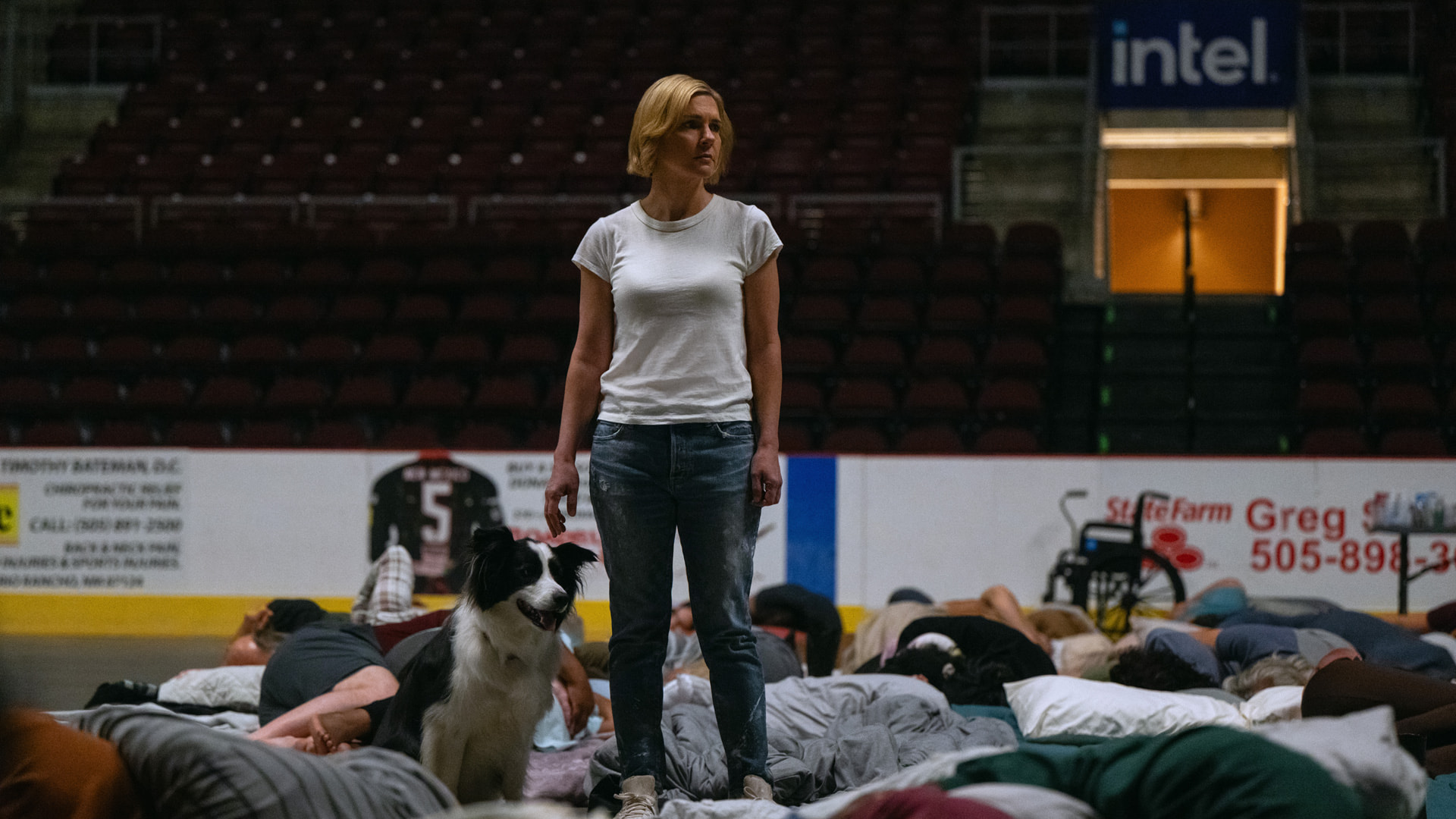
The season one finale of Pluribus generated intense fan speculation and critical conversation, prompting cast members Rhea Seehorn and Karolina Wydra to address popular theories about the series’ mysteries. The pair discussed how audience readings intersect with the show’s procedural design and moral questions. Their comments illuminate how creators and actors view viewer interpretation as part of the series’ ongoing meaning-making.
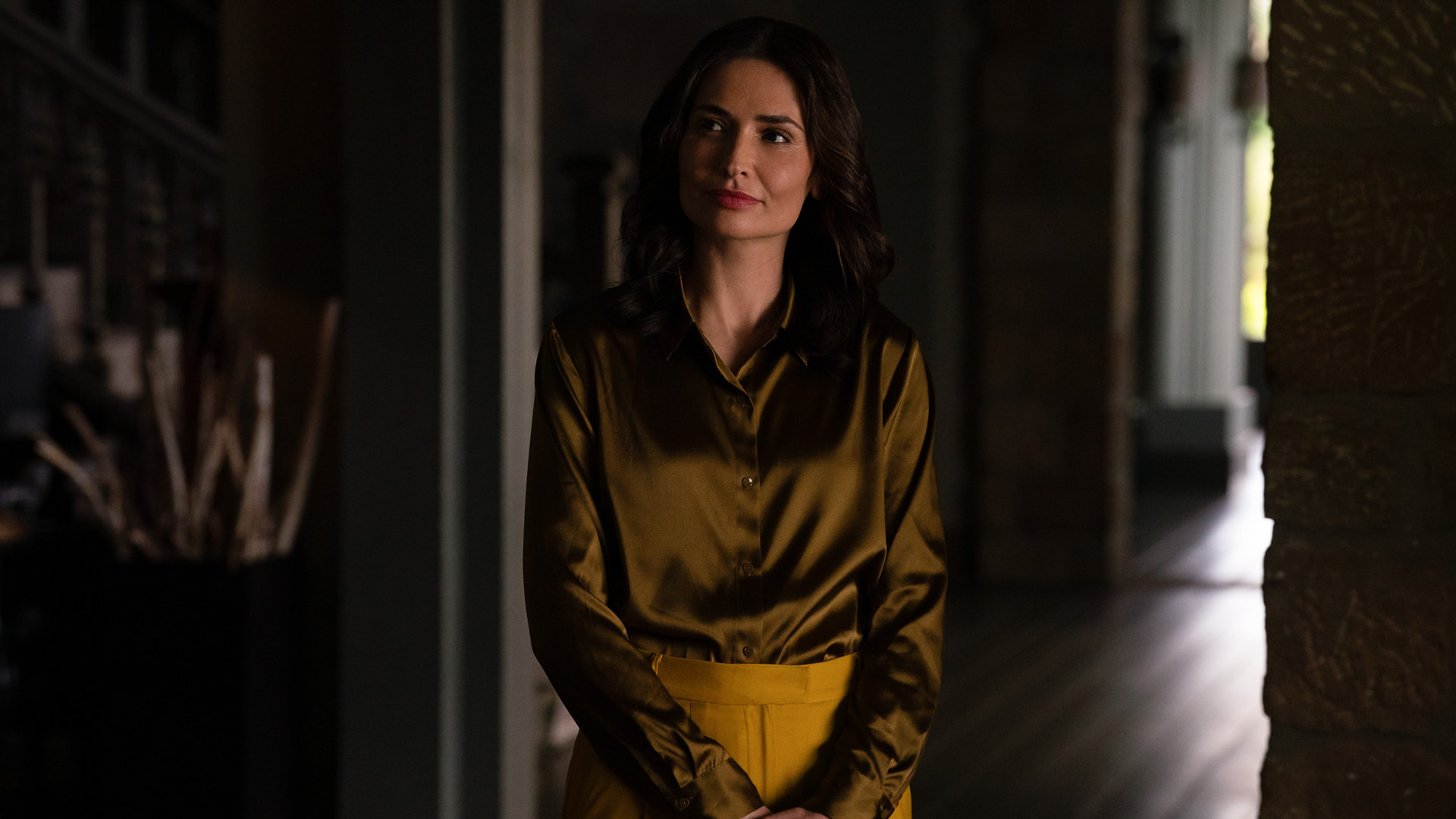
Seehorn and Wydra framed the show’s deliberate ambiguity as a narrative choice, not a narrative failure, noting that the series favors process over tidy explanation. They emphasized that recurring motifs—registration protocols, ritualized greetings, and administrative artifacts—are intended to function as evidence for attentive viewers rather than obvious plot devices. This posture encourages sustained analysis and rewatching, which has fueled robust online discussion.
Both actors acknowledged that fan theories range from the plausible to the speculative, and they expressed appreciation for interpretive energy even when audiences disagree. Viewers’ engagement has turned procedural details into sources of debate, and that dynamic has extended the TV show’s cultural footprint beyond its broadcast. The cast’s willingness to interact with theories highlights how serialized drama can generate communal sense-making.
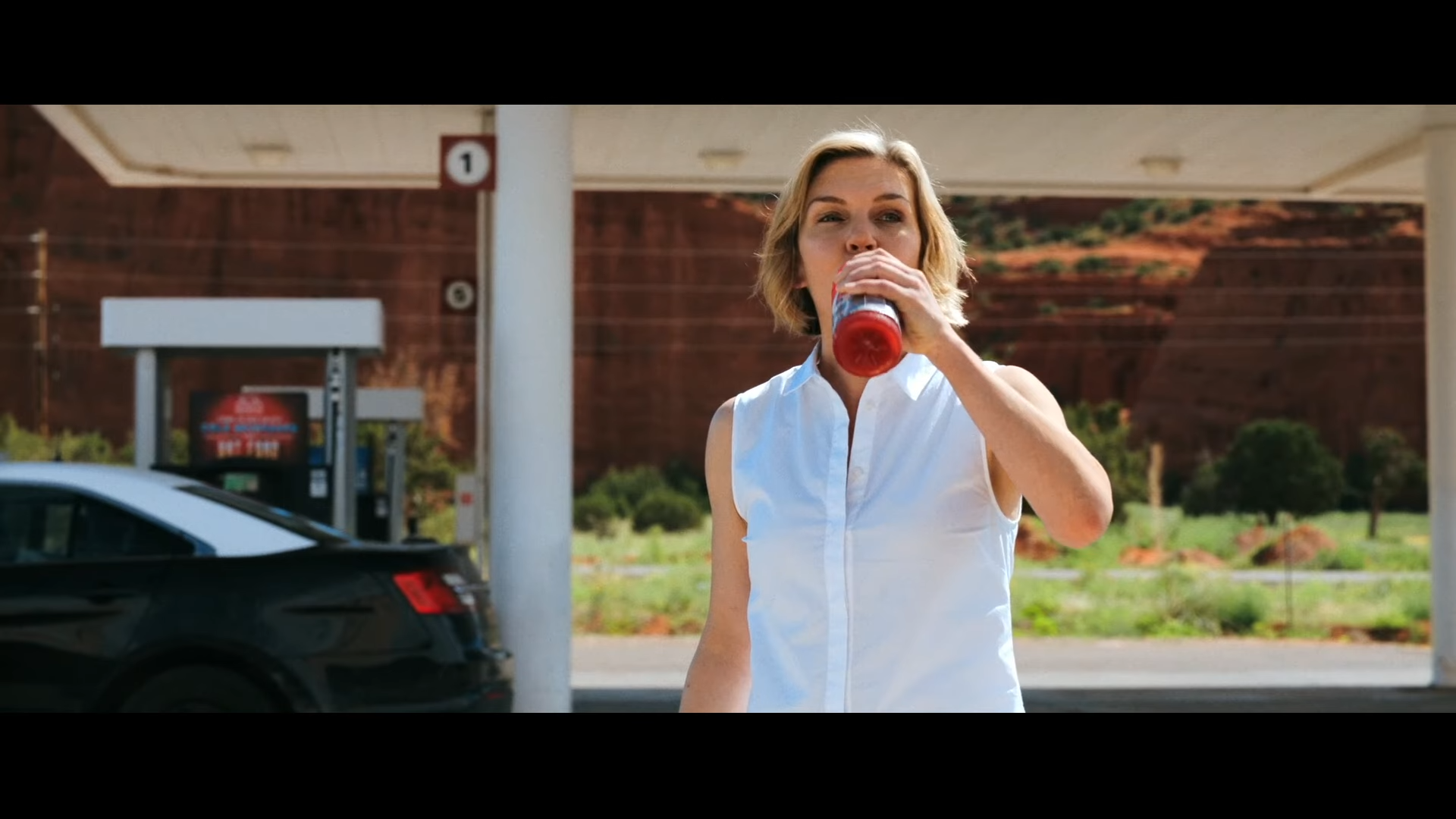
Seehorn and Wydra also discussed how subtle performance choices have been read as clues, explaining that economy of gesture and restraint are deliberate strategies to convey interiority. The show’s close framing and minimalistic scoring make micro-expressions consequential, and fans often identify these beats as bearing on motive and alignment. The actors noted that such moments are meant to complicate characters rather than to telegraph future plot moves.
Fans have noticed that small actions—an exchanged look, a paused response, or a repeated phrase—often reappear as narrative keys in later episodes. The actors suggested that this layering is central to the program’s design: individual gestures accumulate into institutional patterns. That performance-driven ambiguity supports readings that treat the TV show as both a character study and a systemic critique.
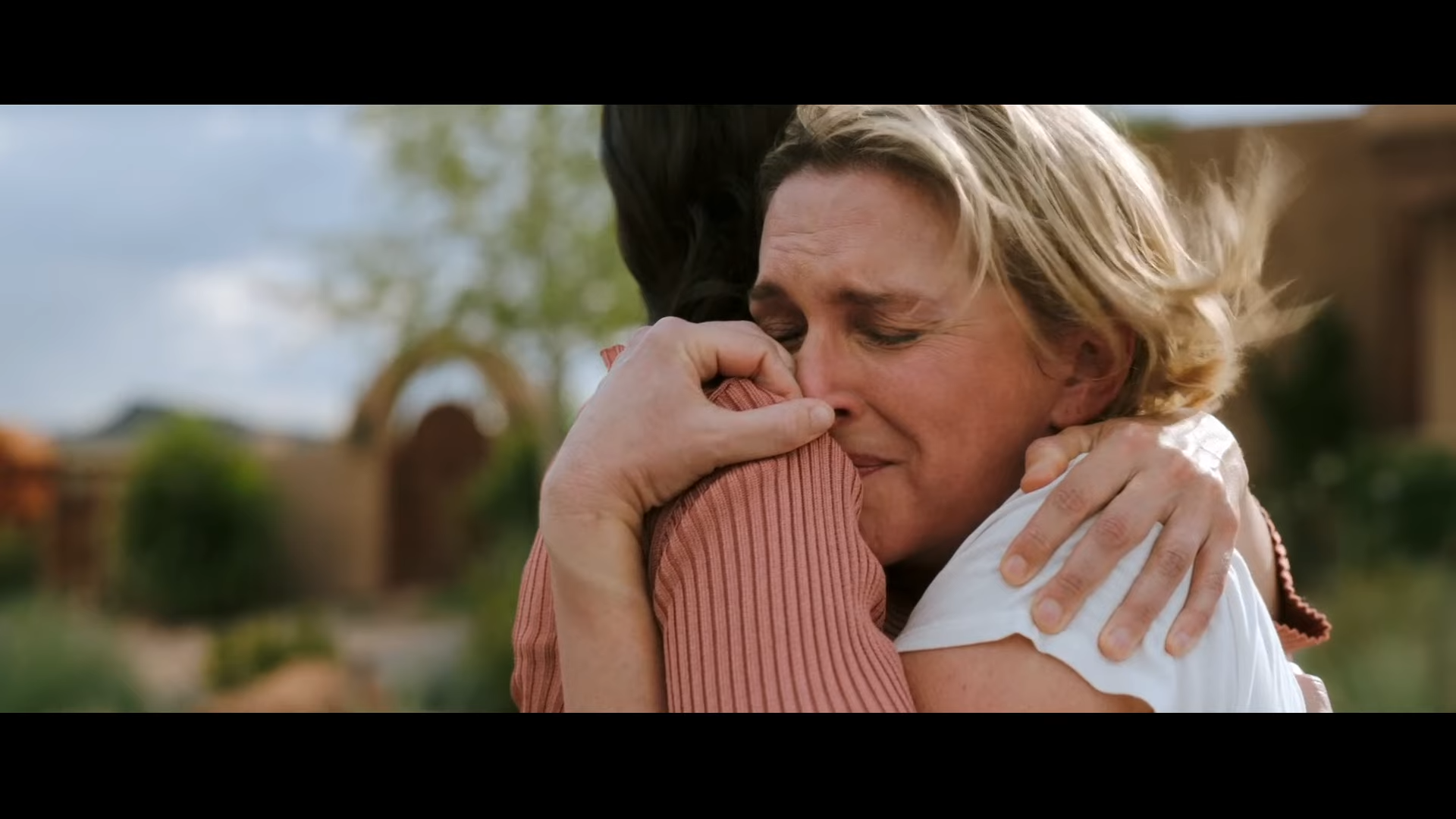
Seehorn and Wydra’s remarks also touched on how fan theories might influence future storytelling, albeit indirectly. The creative team’s episodic decisions prioritize thematic consistency over reactive plotting, but public interpretation can shape the cultural context in which new episodes arrive. Producers may account for prevalent readings when developing arcs, even if they do not change core intentions.
For viewers anticipating Season 2, the key takeaway is that the series will likely deepen its institutional inquiry—exploring accountability, disclosure, and the mechanics of alignment—while maintaining character-driven complexity. The show’s aesthetic and narrative commitments suggest that forthcoming episodes will expand geographic and political scope rather than pivot toward immediate explanatory payoff. That trajectory promises to reward continued close attention to procedural detail.
In closing, the exchange with Rhea Seehorn and Karolina Wydra underscores how Pluribus has cultivated a participatory relationship with its audience: fan theories are part of the conversation, and actors acknowledge that interpretive labor enriches the TV show’s public life. As critics and viewers continue to parse artifacts and gestures, the series’ blend of performance subtlety and institutional focus will remain central to debates about meaning, responsibility, and narrative design on Apple TV.

At PaleyFest NY 2025, creators and cast of Pluribus discussed the show’s development, revealing that a central role was...
Pluribus concludes its inaugural season with Episode 9, “La Chica o El Mundo,” an ending that reframes earlier narrative...
Discussion around Pluribus has intensified since Season 1 concluded, with fans and commentators submitting theories that range from plausible...
Pluribus arrives as a deliberately paced, idea‑driven series that has polarized audiences and critics. The Apple TV show foregrounds...

© 2025 PLURIBUS SERIES | We are not affiliated with Apple TV+, our content is not official or endorsed by them in any way.