Breaking Bad 101
The Complete Critical Companion
The ultimate guide to the greatest show on television. Deep analysis, behind-the-scenes secrets, and exclusive insights.



Pluribus, Vince Gilligan’s latest series for Apple TV, takes a measured approach to post‑collapse storytelling by emphasizing procedure and moral consequence over spectacle. The show frames a speculative alignment phenomenon through administrative artifacts—ledgers, registration protocols, and ritualized public practices—and asks how societies remake authority in the aftermath of rupture. Viewers and critics have responded to the series’ patient pacing and ethical complexity, making it a prominent topic in contemporary television conversation.

The series constructs its world through material specificity rather than exposition. Close camera work on documents, posted notices, and repurposed infrastructure transforms everyday objects into narrative clues. Production design intentionally foregrounds tactile artifacts—stamped authorizations, ration boards, handwritten ledgers—that the show treats as evidentiary, inviting viewers to read institutions the way detectives read clues.
That documentary‑adjacent aesthetic extends to sound and editing. Recurrent auditory motifs and the rhythm of communal rituals are woven into the show’s sonic fabric, reinforcing patterns of alignment. The effect is cumulative: small procedural details planted early in the season later function as decisive evidence in council hearings and disputes, rewarding viewers who pay close attention.
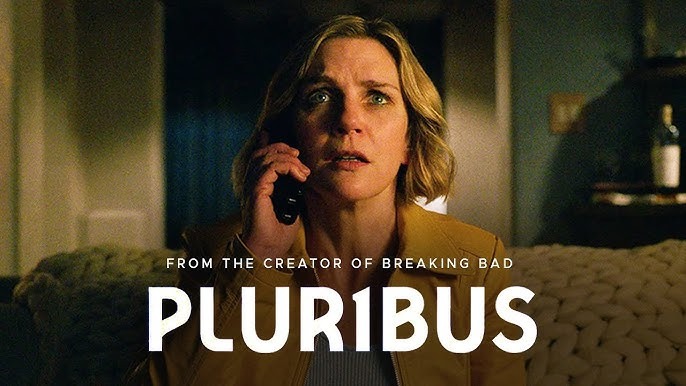
At the heart of Pluribus are characters whose moral arcs are defined by repeated pragmatic choices rather than single dramatic reversals. Protagonists who make expedient decisions—prioritizing resources, enforcing curfews, or withholding information—find those acts returning as liabilities when communities demand accountability. The series disperses responsibility across networks, making culpability a systemic rather than purely individual matter.
Performances are intentionally restrained to match the show’s procedural concerns. Actors convey inner conflict through micro‑gestures and paused lines, and those subtleties become critical when administrative decisions are later scrutinized. This acting economy aligns with the show’s ethos: ethical consequences accrue from repeated everyday acts, and empathy is complicated by the structural contexts that produced those acts.

Pluribus’s central questions concern governance and the politics of remediation. If alignment emerges through communicative and administrative design, then the moral work is not only to identify causes but to develop accountable repair mechanisms. The series stages possible remedies—audits, tribunals, revised protocols—while showing their political and distributional limits, insisting that transparency alone is insufficient without credible enforcement and equitable redress.
Information control is a recurring motif: who has access to knowledge, who withholds it, and how disclosure influences power dynamics. The show uses procedural drama—hearings, leaked documents, and registry audits—to dramatize these debates, making the politics of disclosure a narrative engine. This focus yields a civically minded drama that asks viewers to consider structural questions about institutional design, not only speculative origins.
The series’ deliberate pacing and ambiguity produce both rewards and risks. For viewers who appreciate serialized puzzles and ethical nuance, Pluribus offers layered payoffs and interpretive depth. Those expecting rapid explanations or conventional catharsis may find the show’s restraint frustrating. The creative team’s decision to seed long‑term clues rather than deliver immediate answers divides audience expectations but remains central to the series’ intellectual project.
Critically, the show’s success depends on whether later episodes convert patience into payoff. The narrative strategy favors recontextualization—reveals that refract earlier scenes—over singular climactic disclosure. That method demands an engaged, patient audience and positions the series as a program that privileges civic inquiry over plot acceleration.
Pluribus is a disciplined entry in prestige television: formally restrained, thematically ambitious, and focused on the politics of institutional life. The Apple TV show reframes apocalypse as a problem of governance, using procedural detail to make moral consequences legible. Whether the series satisfies all viewers, it succeeds in modeling how serialized drama can interrogate the mechanics of social repair and the ethical costs of stability.

The Pluribus Season 1 finale leaves viewers with many visible reckonings, but commentators argue the most consequential moment is...
Pluribus concluded its first season with a finale that reframed earlier mysteries as institutional problems, prompting renewed discussion about...
Episode 7 of Pluribus, titled “The Gap,” functions as the season’s structural hinge, turning accumulated procedural detail into overt...
Speculation about Pluribus Season 2 has taken a sensational turn with a theory that Zosia may be pregnant—and that...

© 2025 PLURIBUS SERIES | We are not affiliated with Apple TV+, our content is not official or endorsed by them in any way.