Breaking Bad 101
The Complete Critical Companion
The ultimate guide to the greatest show on television. Deep analysis, behind-the-scenes secrets, and exclusive insights.


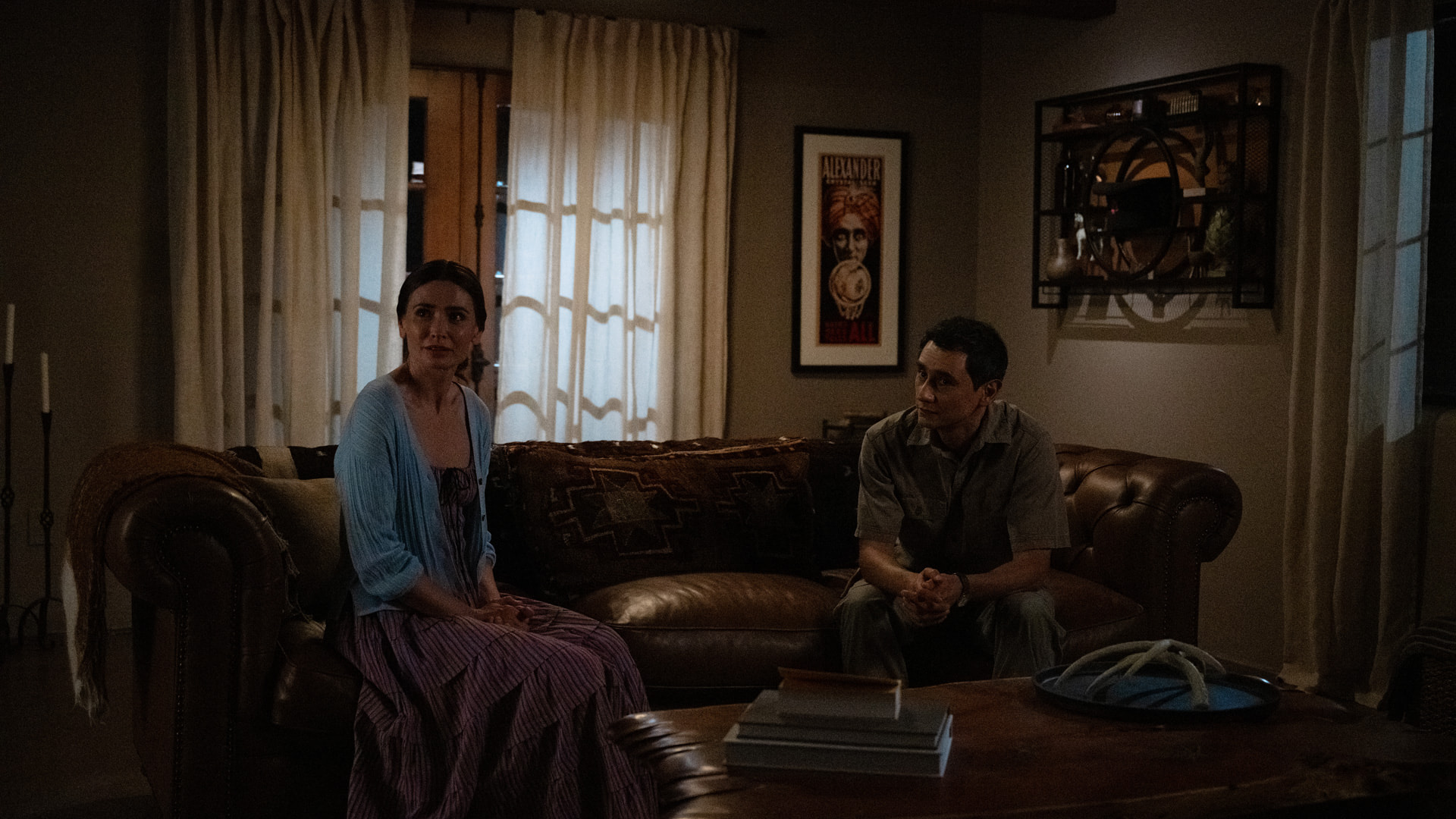
Pluribus has emerged as a polarizing entry on Apple TV, prompting debate over whether the series depicts an alien hivemind or a human‑driven phenomenon shaped by institutional choices. The show’s slow‑burn pacing, layered production design, and Rhea Seehorn’s restrained performance have provoked intense theorizing across fan communities and critical circles. This review synthesizes those arguments and considers what the TV show accomplishes regardless of its ultimate explanation.

The series sets up a speculative premise—widespread behavioral alignment—that initially reads like a classic sci‑fi contagion. Yet the show quickly subverts genre expectations by emphasizing paperwork, rituals, and administrative detail. This formal choice makes ambiguity productive: viewers must decide whether alignment is driven by an external signal or engineered through social design.
Tonally, Pluribus favors restraint. The cinematography uses muted palettes and close framing to keep attention on human scale rather than spectacle. Sound design underscores ritualized patterns without sensationalist scoring. Those choices support a serialized mode that rewards close reading and repeated viewing, encouraging audiences to treat small artifacts as potential evidence.

One dominant reading treats the phenomenon as extraterrestrial: signals from space, synchronized behaviors, and unexplained physiological changes suggest a nonhuman origin. Proponents point to repeated sonic motifs and moments where patterns appear to propagate independently of human actors. That interpretation leans on the show’s speculative trappings and on the narrative pleasure of a cosmic puzzle.
Conversely, a persuasive institutional reading argues that alignment is produced by human design—policies, rituals, and information architectures that make coordinated behavior practicable. Fans noticing ledger entries, registration protocols, and enforced routines see evidence that procedures and incentives, not aliens, drive outcomes. This account shifts moral responsibility onto designers and administrators rather than onto an external force.

Rhea Seehorn’s central performance anchors the series’ ethical inquiry. Her portrayal of a pragmatic leader shows how small decisions—rationing choices, selective disclosures—accumulate into systemic effects. The show treats compromise as a process rather than a single act, which complicates easy moral judgment about who is culpable and who is merely surviving.
Supporting characters illustrate the social mechanics of alignment: clerks, patrol leaders, and community organizers all function as nodes in a larger network. Their micro‑behaviors—hesitations, favors, documented approvals—become evidentiary in later public reckonings. The show distributes responsibility across systems, asking whether procedural fixes can repair harm once embedded practices have calcified into power.
Production design and location work reinforce the institutional reading by making the world feel materially plausible. Practical sets, reused props, and documentary‑style details give bureaucratic processes visual authority. Close attention to forms, stamps, and signage turns mundane objects into narrative keys that viewers can decode across episodes.
The show’s restraint in visual effects and its reliance on practical builds help maintain plausibility. For viewers skeptical of grand speculative reveals, the textured mise‑en‑scène suggests that human systems are as potent as any fictional signal. That design ethos makes the TV show function as a civic case study as well as a piece of genre entertainment.
If Pluribus ultimately confirms an alien origin, the series will deliver a classic speculative twist. If it confirms institutional causation, it will recast the season as a commentary on governance, transparency, and the ethics of repair. Either outcome matters less than the show’s willingness to place procedural consequence at the center of drama.
Viewer reception will hinge on tolerance for ambiguity and interest in serialized thematic payoff. Those seeking rapid answers may find the pacing frustrating, while audiences invested in moral complexity and institutional critique will find the series rewarding. The show asks viewers to engage with evidence over spectacle and to evaluate policy as moral calculus.
In closing, Pluribus is a provocative, well‑crafted TV show that leverages genre elements to ask urgent civic questions. Whether the signal proves to be alien or human‑made, the series succeeds in dramatizing the hard work of accountability and the unintended consequences of pragmatic governance. For audiences willing to follow its forensic logic, Pluribus offers a rich, challenging drama on Apple TV.

Pluribus has polarized audiences with its deliberate pacing and dense procedural logic, prompting debates about whether the series’ ambiguity...
Episode 5 of Pluribus, titled “Got Milk,” turns a domestic commodity into a lens on social organization and emergent...
Debate about Pluribus has centered on the nature of the signal that appears to accompany societal alignment, and a...
At PaleyFest NY 2025, creators and cast of Pluribus discussed the show’s development, revealing that a central role was...

© 2025 PLURIBUS SERIES | We are not affiliated with Apple TV+, our content is not official or endorsed by them in any way.