Breaking Bad 101
The Complete Critical Companion
The ultimate guide to the greatest show on television. Deep analysis, behind-the-scenes secrets, and exclusive insights.



Pluribus arrives as a disquieting entry in contemporary prestige television, presenting a narrative where ritual and procedure act as vectors of control. The series, which premiered on Apple TV, frames its mystery around a pattern of social synchronization that reads like institutional design as much as contagion. Viewers have noted the show’s emphasis on administrative detail and the moral questions that emerge from pragmatic governance.
The series populates its world with characters who might be labeled eccentric by social standards, but those traits serve narrative purposes beyond mere color. Peripheral figures—an officious clerk, a ritual leader, a solitary ration-keeper—perform roles that reveal how norms are reproduced and contested. Rather than caricature, these personalities operate as functional nodes in emergent systems of power.
Writers use these characters to dramatize friction points where personal idiosyncrasies intersect with institutional imperatives. An ostensibly odd behavior can signal an adaptive tactic or a remnant of prior social order; conversely, bureaucratic rigidity often appears more menacing than overt violence. Fans have noticed that the show’s so-called ‘weirdos’ often carry critical information about the mechanics of control.

Pluribus foregrounds paperwork, ledger entries, and standardized rituals as narrative devices, converting mundane artifacts into sources of suspense. Scenes centered on ration boards, registration lists, and council deliberations function as evidence rather than exposition, enabling the TV show to treat governance as material practice. This documentary‑like attention gives the series its distinctive aesthetic and rhetorical thrust.
Production design and cinematography reinforce that focus, favoring medium frames and close work on hands and documents. The result is a tactile sense of place where administrative acts feel consequential. The show’s formal restraint—muted palettes, limited scoring, and precise sound design—keeps emphasis on procedure, making the political dimension of small decisions visible and urgent.
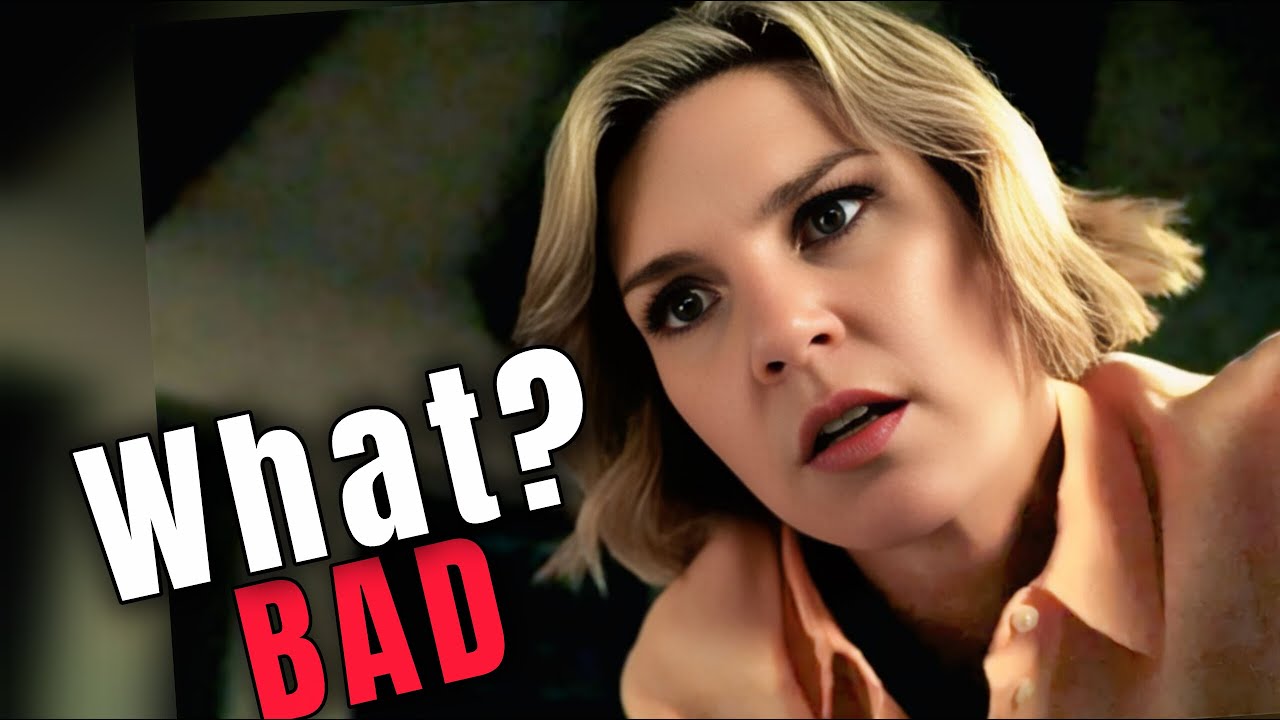
The narrative resists simple moral binaries by distributing culpability across networks of actors and institutions. Protagonists make incremental compromises that yield collective effects; enforcement becomes institutionalized through routine rather than through singular villainy. The series thus reframes questions of blame into broader inquiries about legitimacy and the ethics of emergency governance.
Viewers are invited to evaluate the proportionality of measures taken under duress, and the show stages scenes of private concession alongside public adjudication to illustrate how moral debt accrues. The result is drama that interrogates whether stability achieved through procedural means can be ethically justified, or whether the normalization of coercion necessarily corrodes agency and trust.
Formally, Pluribus balances its speculative premise with grounded human detail, creating a TV show that feels intimate even as it addresses systemic issues. Performances emphasize economy—small gestures and silences communicate history and intent—so that emotional resonance accrues from restrained acting rather than rhetorical exposition. That discipline enables the series to explore weighty political questions without sacrificing character specificity.
In closing, Pluribus stands out for transforming eccentric character work and bureaucratic mundanity into a coherent dramatic argument about modern governance. The Apple TV series uses ritual, recordkeeping, and procedural drama to examine how communities rebuild and how authority consolidates under pressure. For viewers interested in thoughtful genre television that interrogates the mechanics of power, the show provides a provocative and unsettling study of consequence and compromise.

Debate about Pluribus has centered on the nature of the signal that appears to accompany societal alignment, and a...
At PaleyFest NY 2025, creators and cast of Pluribus discussed the show’s development, revealing that a central role was...
Pluribus concludes its inaugural season with Episode 9, “La Chica o El Mundo,” an ending that reframes earlier narrative...
Discussion around Pluribus has intensified since Season 1 concluded, with fans and commentators submitting theories that range from plausible...

© 2025 PLURIBUS SERIES | We are not affiliated with Apple TV+, our content is not official or endorsed by them in any way.