Breaking Bad 101
The Complete Critical Companion
The ultimate guide to the greatest show on television. Deep analysis, behind-the-scenes secrets, and exclusive insights.


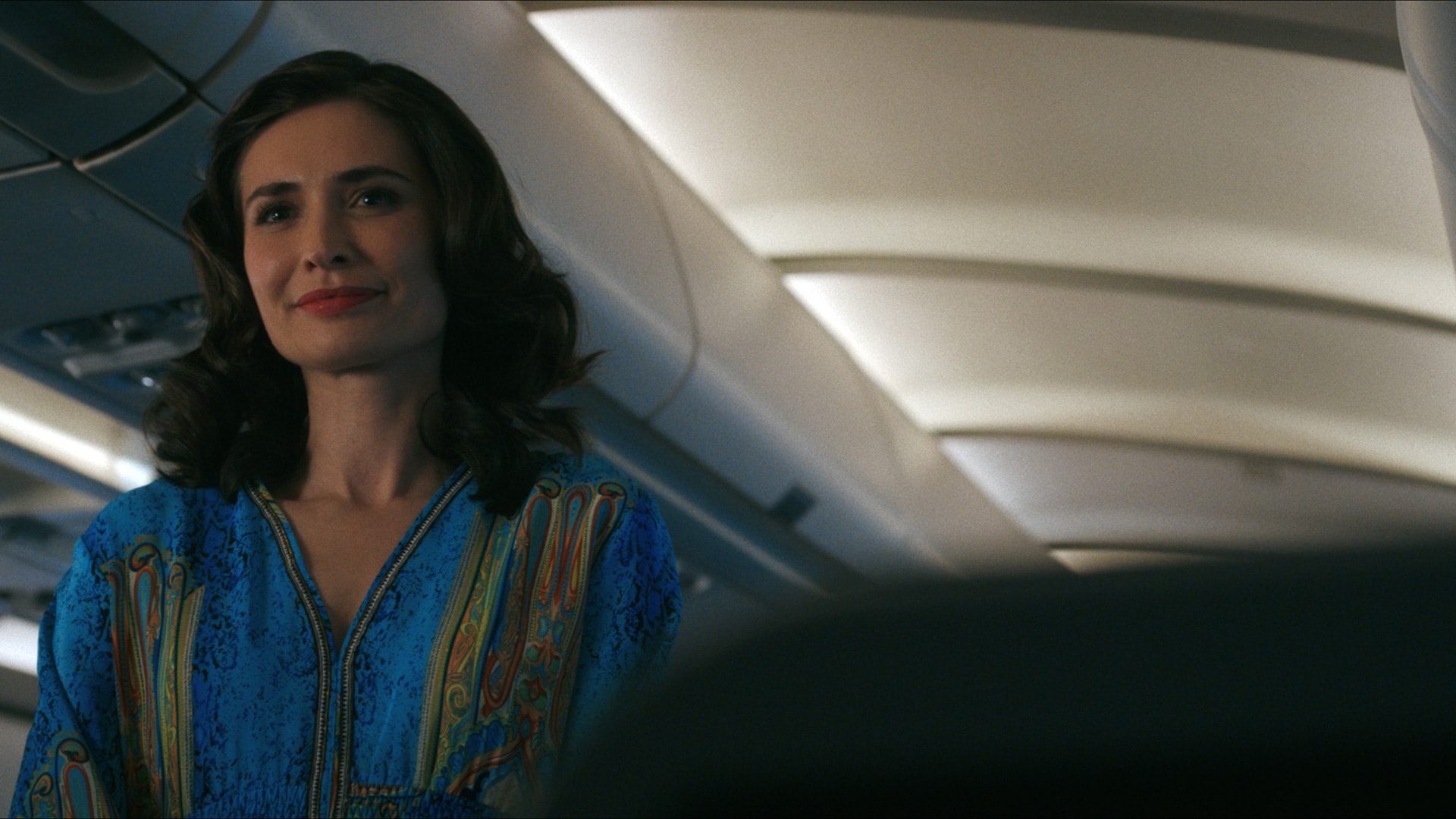
Pluribus closes its first season with “La Chica o El Mundo” (The Girl or the World), an episode that reframes earlier mysteries into procedural reckonings and institutional consequences. The finale ties a number of narrative threads—archival hints, ritualized practices, and the controversial atom‑related callback—into a sequence of public adjudications. Viewers are left to assess whether the series delivers answers or deliberately converts revelation into ongoing political work.
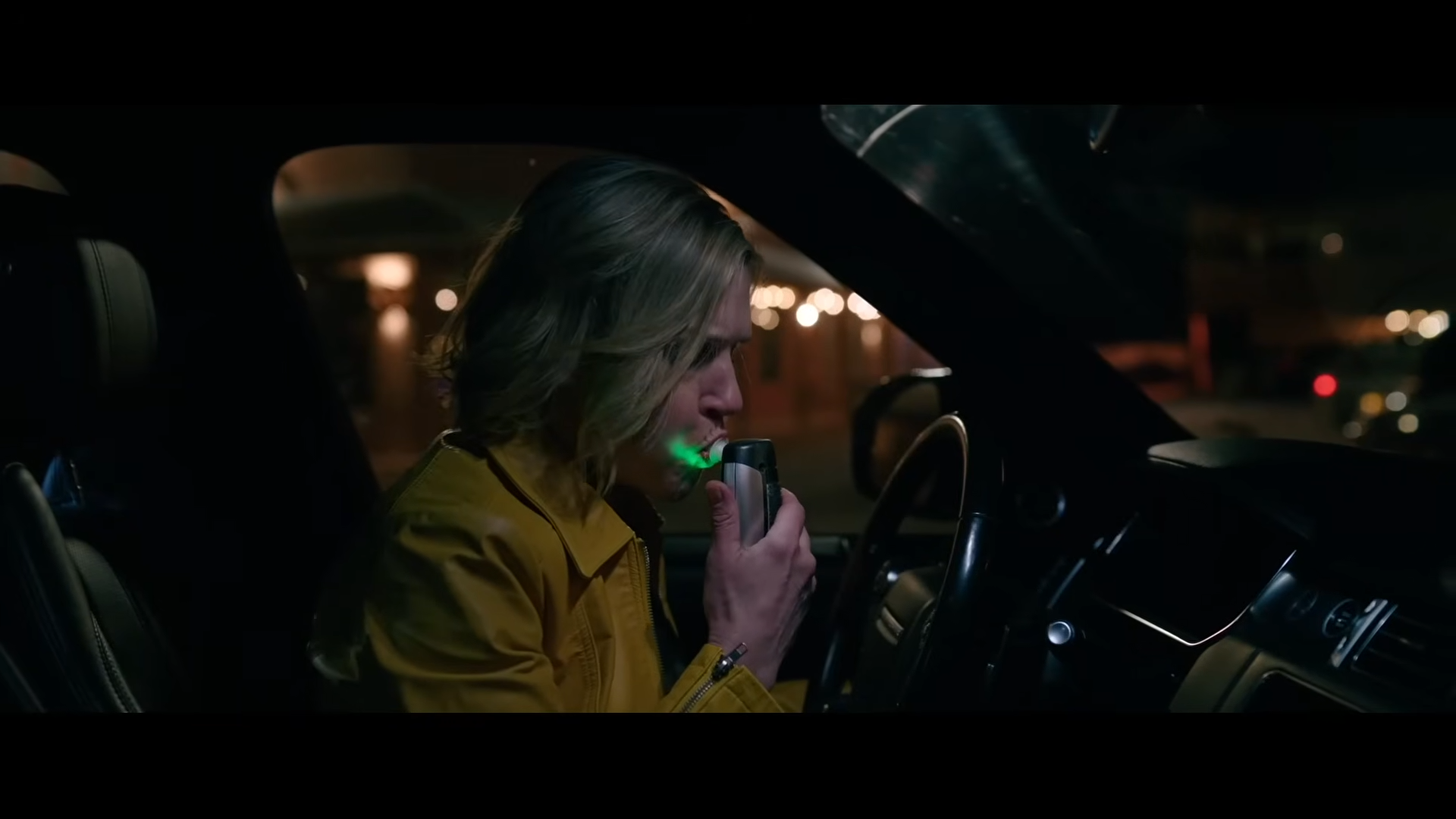
One of the most discussed elements of the finale is the so‑called atom callback, a reference that recurs in cryptic form throughout the season and returns with renewed force in the closing chapters. The show never treats the object simply as a technological MacGuffin; instead, the callback functions as a rhetorical lever that recontextualizes prior administrative choices. When characters invoke the atom language, the narrative treats it less as proof of external malignance than as justification used to formalize extraordinary measures.
That rhetorical use is crucial: the atom reference becomes a policy tool that legitimizes emergency protocols and consolidates discretionary authority. In practical terms, the finale shows how language—technical or terrifying—can be deployed to convert provisional expedients into enduring institutional precedent. The show thus asks whether the invocation of existential threat can be disentangled from the political gains it produces.
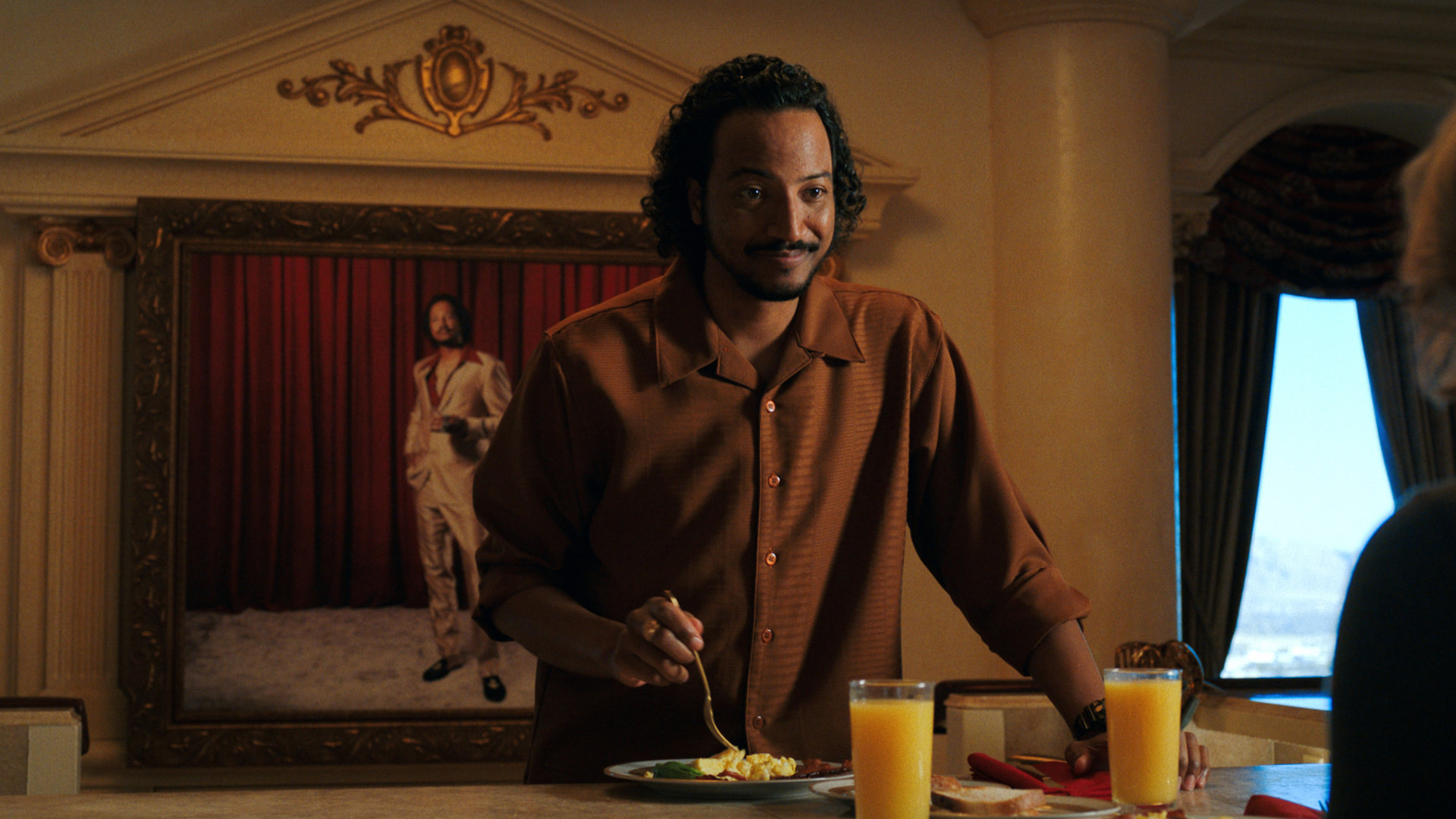
Another central frame in the finale is the idea of the Hive‑mind—not as supernatural possession but as emergent alignment produced by ritual and administrative design. The series has emphasized communal refrains, registration systems, and staged rituals as mechanisms that normalize coordinated behavior. The finale deepens this account by showing how such practices can create durable norms that feel consensual even when they are engineered.
This reading shifts the moral problem from identifying an external culprit to interrogating how social architectures are created and who benefits. The Hive‑mind trap is less an ontological horror than a political design: information flows, incentives, and staged intimacy produce alignment. The episode dramatizes the difficulty of disentangling genuine consent from compliance produced under scarcity and surveillance.
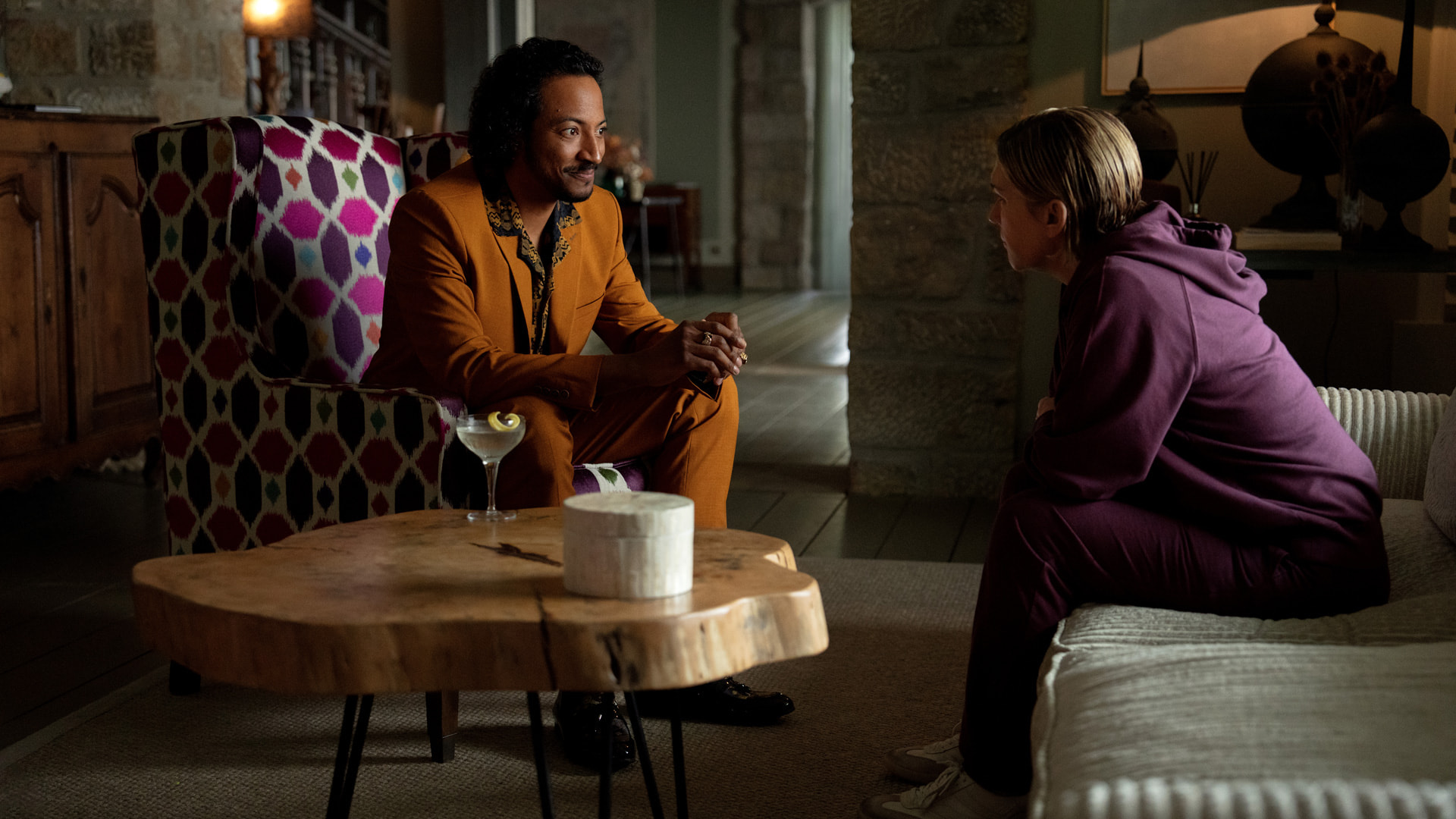
Crucially, the finale turns toward questions of adjudication rather than singular revelation. Public hearings, audits, and procedural reviews replace dramatic exposés; the episode treats documentation—ledgers, authorizations, recorded testimonies—as the currency of moral reckoning. That procedural orientation reframes responsibility as distributed across networks of actors, institutions, and prior pragmatic decisions rather than as concentrated in a single malicious agent.
The show’s depiction of repair is intentionally provisional: proposed reforms, transparency measures, and tribunals are portrayed as necessary but politically fraught. The finale suggests that remediation requires both technical fixes and democratic legitimacy, and it resists the fantasy that one disclosure or one corrective act will resolve systemic harm. Viewers are invited to follow institutional processes and to judge the adequacy of proposed remedies rather than expect cinematic closure.
Formally, the episode’s restraint supports its thematic ambition. Muted visual palettes, close framing on objects and faces, and a subdued soundscape make procedural detail legible and weighty. Performances rely on micro‑gesture to convey accumulated moral fatigue, and the ensemble dynamic ensures that culpability feels networked rather than theatrical. These choices make the finale feel like the logical extension of a season that privileges accumulation over instant revelation.
Critically, responses to the finale split along expectations. For some viewers, the episode’s focus on procedure and public process constitutes a satisfying extension of the series’ ethical inquiry; for others, the lack of a definitive origin story or dramatic denouement feels evasive. The creative team’s decision to prioritize adjudication over explanation is therefore both the show’s strength and its most contentious choice.
In sum, “The Girl or the World” reframes Pluribus as civic drama: its biggest revelations are not technocratic revelations but demonstrations of how language, ritual, and paperwork shape social life and political power. The finale asks difficult questions about legitimacy, consent, and repair, leaving audiences with a clear message: solving the puzzle of alignment requires public processes, not only technical fixes or narrative closure. The season ends with the work of accountability just beginning—the show’s next chapter will determine whether those institutional efforts translate into durable reform.

Pluribus, the Apple TV series, dramatizes how information architecture and institutional design shape social order—an observation that resonates with...
The Pluribus Season 1 finale leaves viewers with many visible reckonings, but commentators argue the most consequential moment is...
Pluribus concluded its first season with a finale that reframed earlier mysteries as institutional problems, prompting renewed discussion about...
Pluribus, Vince Gilligan’s latest series for Apple TV, takes a measured approach to post‑collapse storytelling by emphasizing procedure and...

© 2025 PLURIBUS SERIES | We are not affiliated with Apple TV+, our content is not official or endorsed by them in any way.