Breaking Bad 101
The Complete Critical Companion
The ultimate guide to the greatest show on television. Deep analysis, behind-the-scenes secrets, and exclusive insights.


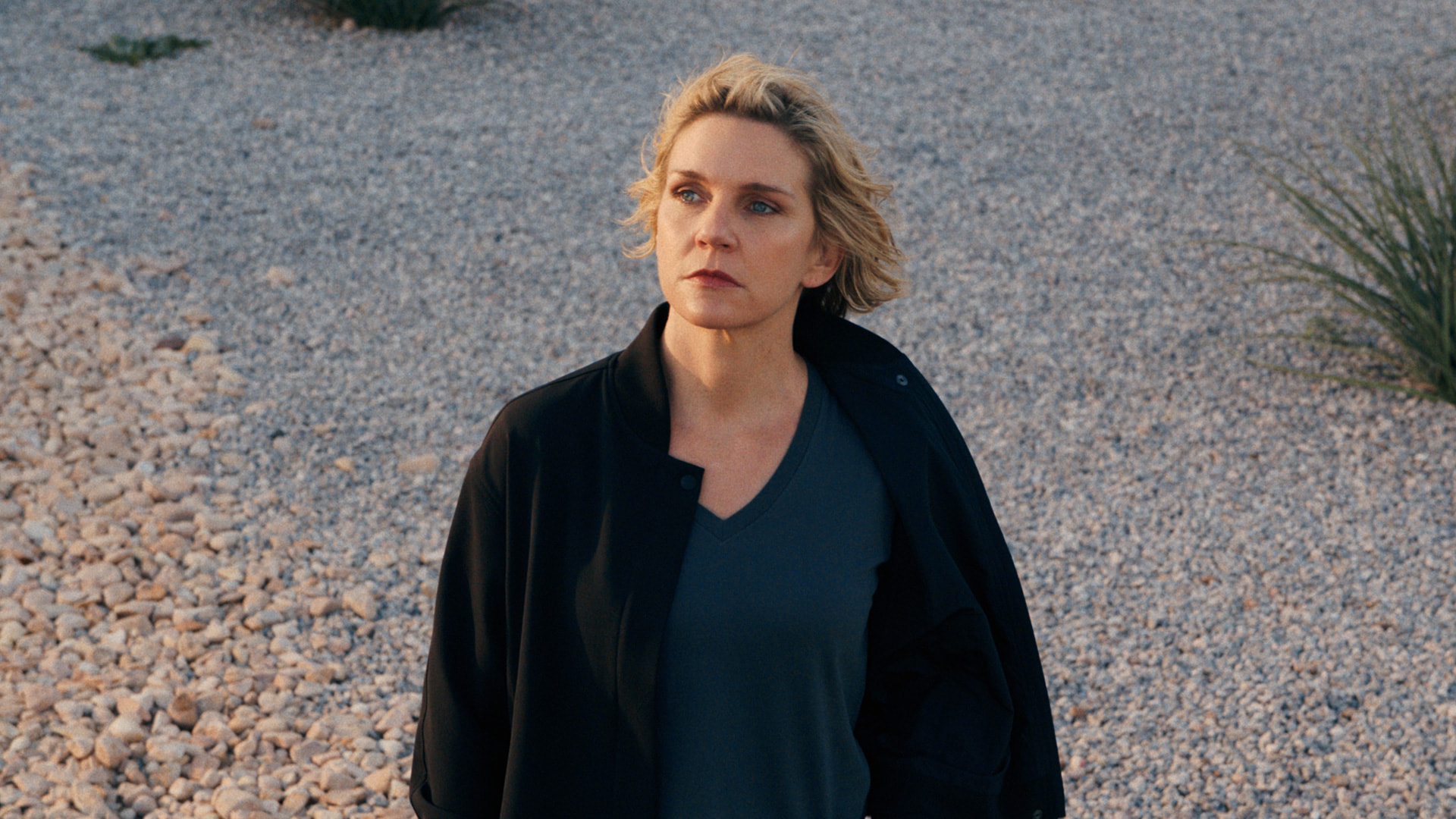
Pluribus has become a focal point for serialized drama discussions, and the Prosthetic Gods podcast dedicated an episode to unpacking the series’ formal and thematic choices. Created by Vince Gilligan, the Apple TV show uses procedural detail and performative restraint to interrogate governance, information, and communal repair. This analysis synthesizes the podcast’s key observations and situates the show within broader trends in prestige television.
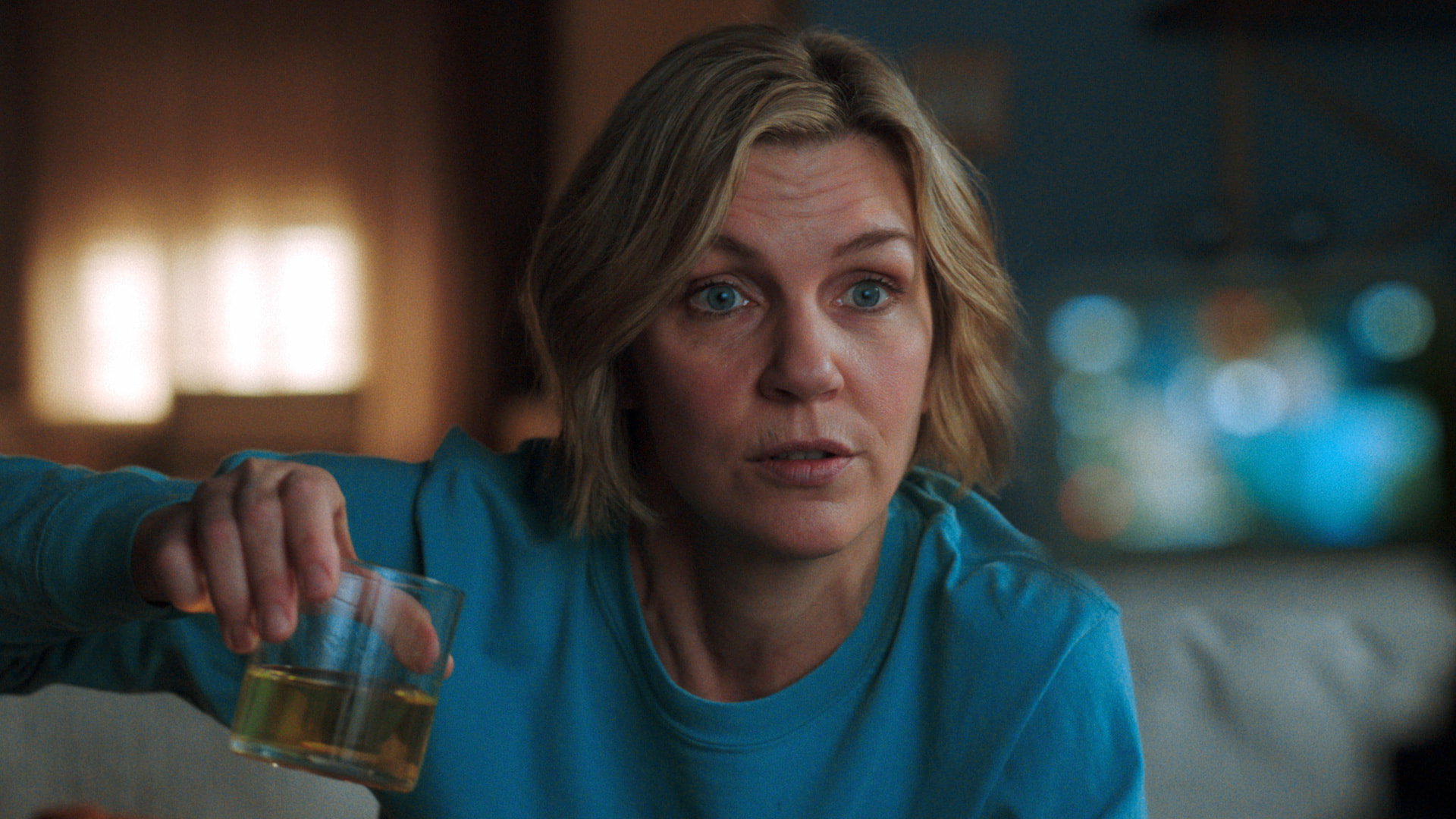
The series constructs its world through documentation and routine: ledgers, registration desks, sanctioned greetings, and ration logs recur as primary narrative objects. Prosthetic Gods highlighted how those artifacts function as evidence in the show’s dramaturgy, converting mundane administrative acts into sources of suspense. The camera’s close framing of paper, stamps, and hands invites viewers to read bureaucracy as plot rather than backdrop.
Production design and location work amplify this documentary impulse. Sets are populated with repurposed props and tactile details that suggest long‑term adaptation rather than sudden collapse. The podcast emphasized that this aesthetic choice supports the show’s core claim: governance is made through repeated, ordinary acts. As a result, small decisions—who signs a form, who controls a ledger—become consequential in ways typical thriller beats often are not.
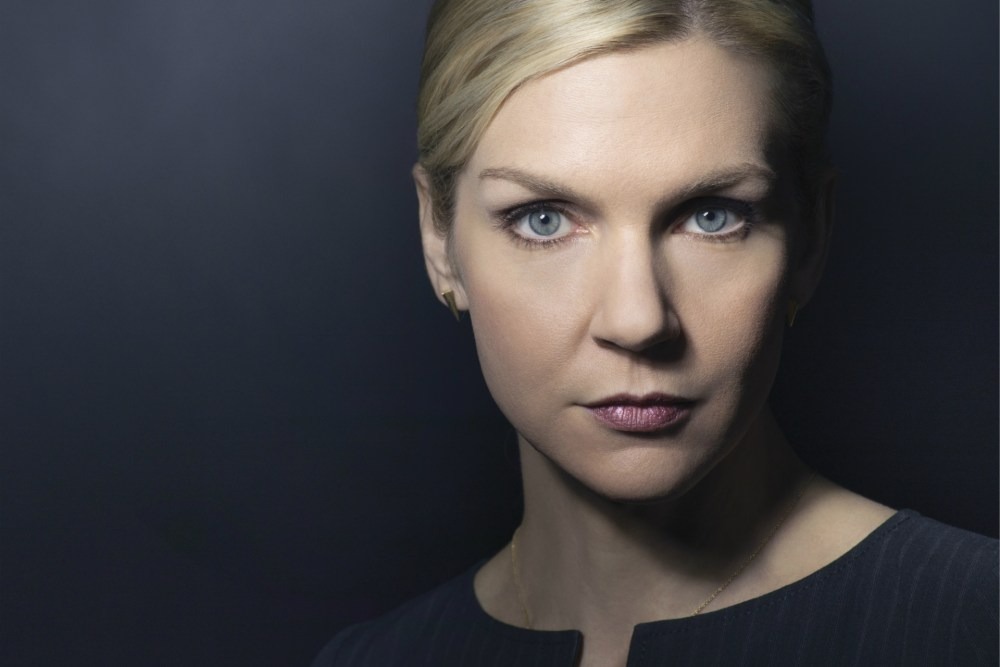
Prosthetic Gods devoted considerable time to the series’ character strategy, especially the central performance by Rhea Seehorn as Carol Sturka. The hosts noted that the show favors economy of gesture and silence to convey interiority, asking actors to accumulate moral complexity through micro‑behaviors. Such restraint aligns with the show’s procedural focus: private hesitations and brief acts of concealment later appear as evidence in public reckonings.
The podcast also explored how culpability is dispersed across networks rather than localized in a single villain. Leaders, clerks, technicians, and ordinary residents all participate in practices that produce alignment, making moral accounting a matter of systems as much as individual intent. This ensemble approach complicates audience sympathy and reframes survival decisions as ethically fraught rather than simply pragmatic.
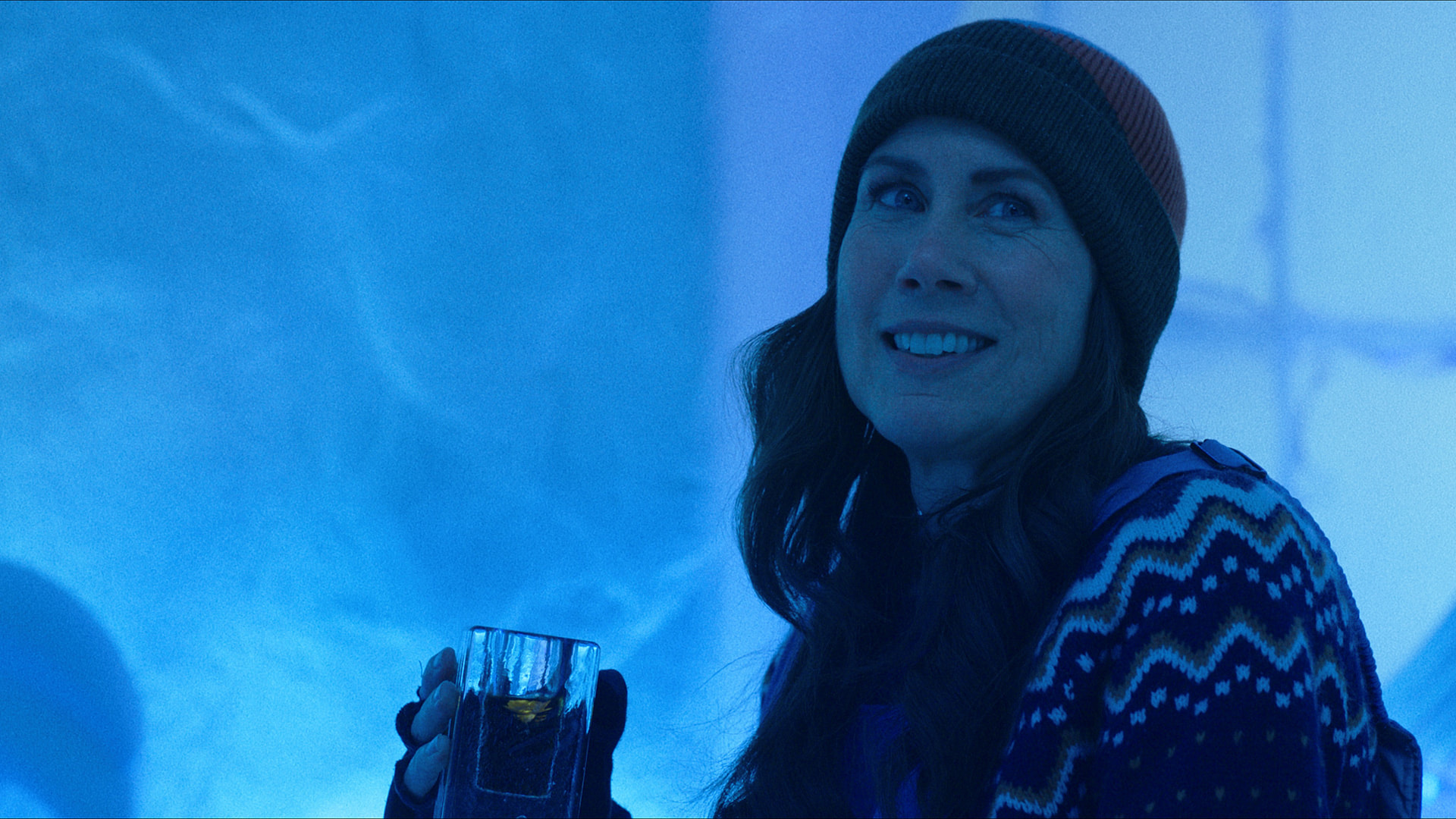
At a thematic level, Prosthetic Gods argued that Pluribus is less a conventional sci‑fi mystery and more a political study of information architecture. The series asks how transparency, ritual, and procedural design can be weaponized or repurposed for collective repair. The podcast highlighted scenes where disclosure debates and audit processes take center stage, suggesting that remediation will be a contested, ongoing political project.
However, the hosts also acknowledged narrative risks. The patient pacing and intentional ambiguity that produce thematic depth can alienate viewers expecting immediate resolution. Prosthetic Gods recommended patience and close reading—paying attention to recurring motifs and administrative artifacts—as the best way to appreciate the show’s cumulative payoffs. Yet they also warned that the show must eventually translate ambiguity into satisfying intellectual or emotional closure to sustain broader engagement.
Technically, the series benefits from meticulous design and disciplined direction, and the podcast praised Apple TV’s support for an auteurial approach. The combination of performance subtlety, documentary texture, and procedural plotting makes Pluribus a distinctive experiment in serialized storytelling. For audiences and critics interested in how television can dramatize governance and ethical ambiguity, the show offers rich material for analysis.
Prosthetic Gods concluded that Pluribus rewards an interpretive mode more akin to forensic reading than passive consumption: details accumulate into evidence, and moral judgments must account for systemic contexts. Whether the series ultimately resolves its mysteries or continues to prioritize process over payoff, it has already established itself as a provocative addition to contemporary prestige television on Apple TV.

Episode 1x7 of Pluribus, titled “The Gap,” functions as a narrative hinge, concentrating weeks of procedural buildup into a...
Theories about Pluribus’s central signal have proliferated, and one provocative idea—nicknamed “Frequency 8613”—posits that the phenomenon reflects a global...
Pluribus creator Vince Gilligan has offered the first substantive update on Season 2’s production and release strategy, providing details...
At a recent event, Vince Gilligan and Rhea Seehorn participated in a lighthearted “Kim or Carol?” segment that offered...

© 2025 PLURIBUS SERIES | We are not affiliated with Apple TV+, our content is not official or endorsed by them in any way.