Breaking Bad 101
The Complete Critical Companion
The ultimate guide to the greatest show on television. Deep analysis, behind-the-scenes secrets, and exclusive insights.



Pluribus reframes horror through administrative procedure rather than supernatural spectacle, presenting a slow-burning drama about systems that coerce through routine. The series uses bureaucratic rituals and linguistic fluency as its primary vector of control, turning everyday governance into the locus of dread. Viewers have noticed that this conceptual pivot reshapes how ethical responsibility and complicity are dramatized.
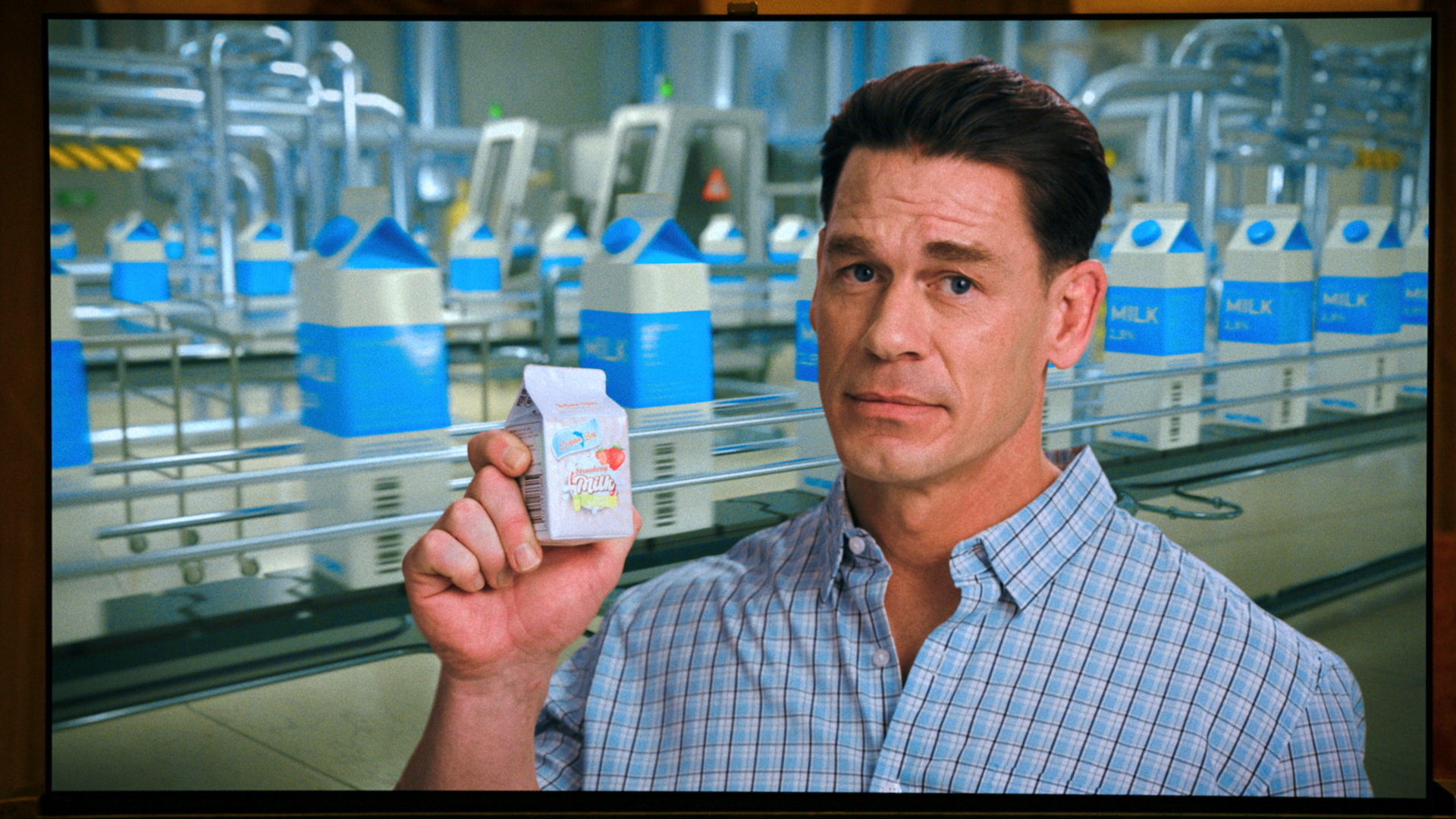
The series stages bureaucracy as an active force: rationing forms, registration protocols, and standardized greetings function as instruments of assimilation. These artifacts are shown in close detail—lists, stamps, procedural meetings—so that policy emerges as the primary mechanism of transformation. The show treats administrative labor as dramaturgy, making the enactment of rules as suspenseful as a chase sequence.
Pluribus emphasizes the mundane operations of governance because those operations accumulate coercive power over time. Small regulatory changes—adjusted curfews, altered distribution schedules—are dramatized to reveal cumulative moral effects. This method reframes the antagonist not as a single villain but as a distributed system whose ordinary workings produce extraordinary consequences.
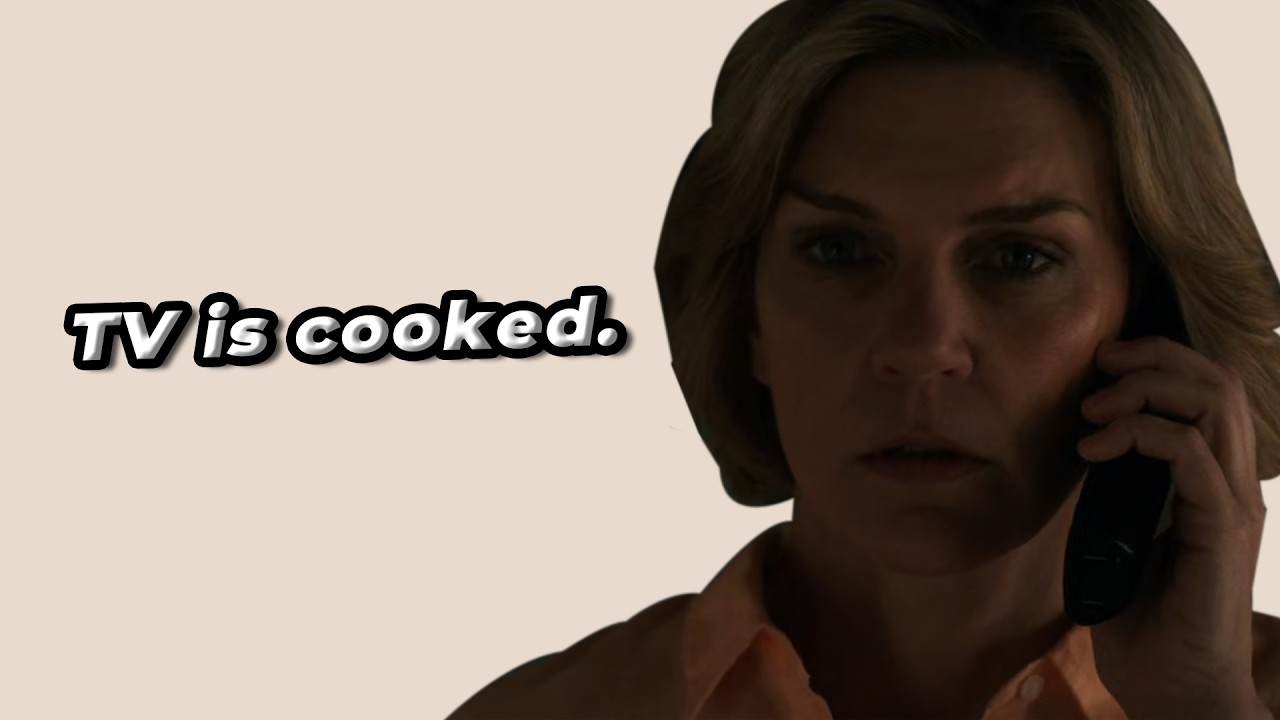
The show’s concept of a hivemind is linguistic as much as biological: fluency, repetition, and patterned speech act as mechanisms for synchronization. Characters encounter slogans, mandated salutations, and shared refrains that operate like protocols for social behavior. By foregrounding these communicative patterns, Pluribus suggests that shared language can be weaponized to align cognition and suppress dissent.
Viewers have pointed to scenes in which tonal shifts and repeated phrases precede behavioral changes among characters, underscoring the series’ thesis that control often arrives through information architecture. The show uses audio motifs and dialogic loops to make the audience feel the pressure of conformity, thereby turning language itself into a central piece of the dramatic puzzle. This focus situates the program within contemporary debates about misinformation and social signaling.

Pluribus interrogates the ethics of adaptation by showing how ordinary people negotiate survival within system-imposed constraints. Characters are depicted making incremental compromises—endorsing rules, withholding facts, enforcing norms—that appear practical in the short term but create long-term moral debt. The narrative disperses culpability across networks, asking whether pragmatic governance can be disentangled from coercive outcomes.
The show’s political reading extends to questions of legitimacy and consent: when institutions design rituals that shape behavior, who retains the right to dissent? Pluribus frames those institutional questions through personal stories—small betrayals, private apologies, administrative decisions—that accumulate into broad social change. Fans have noticed that the series resists simplistic moral resolution, instead presenting adaptation as an ethically fraught process with diffuse responsibility.
In closing, Pluribus stands out as a TV show that transforms procedural detail into narrative tension and conceptual inquiry. By making bureaucracy and linguistic coherence the engines of transformation, the series reframes traditional genre expectations and invites sustained reflection on how systems govern behavior. For viewers and critics alike, the program offers a timely exploration of how governance, communication, and moral agency intersect in an age of systemic risk.

At PaleyFest NY 2025, creators and cast of Pluribus discussed the show’s development, revealing that a central role was...
Pluribus concludes its inaugural season with Episode 9, “La Chica o El Mundo,” an ending that reframes earlier narrative...
Discussion around Pluribus has intensified since Season 1 concluded, with fans and commentators submitting theories that range from plausible...
Pluribus arrives as a deliberately paced, idea‑driven series that has polarized audiences and critics. The Apple TV show foregrounds...

© 2025 PLURIBUS SERIES | We are not affiliated with Apple TV+, our content is not official or endorsed by them in any way.