Breaking Bad 101
The Complete Critical Companion
The ultimate guide to the greatest show on television. Deep analysis, behind-the-scenes secrets, and exclusive insights.


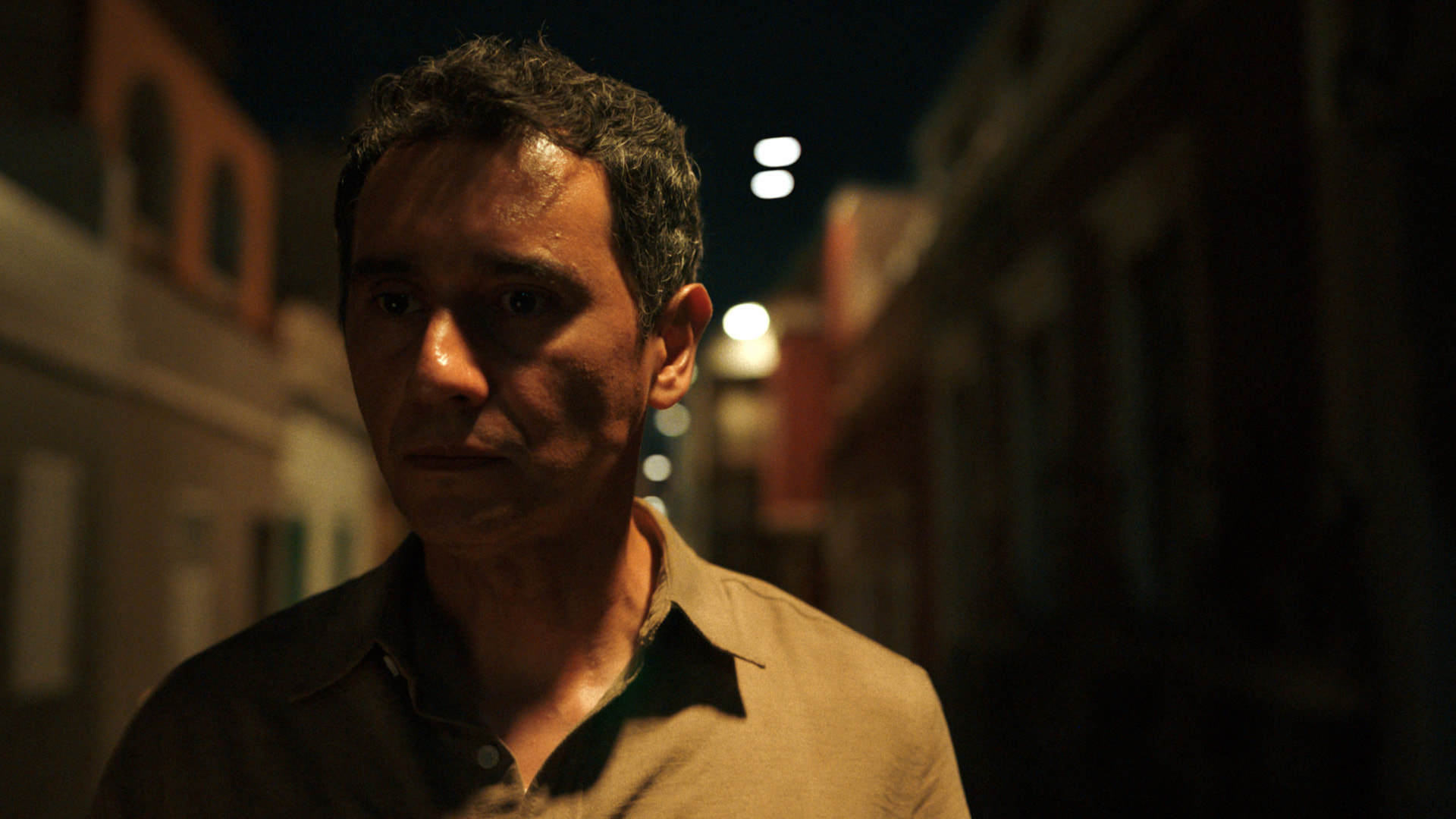
Pluribus Episode 1, “We Is Us,” subverts expectations for post‑apocalyptic television by prioritizing procedural detail and moral ambiguity over immediate spectacle. The Apple TV series, from creator Vince Gilligan, introduces a world in which everyday administrative acts—ration logs, registration desks, and ritualized greetings—function as the primary engines of social order. Viewers are invited to treat small artifacts and quiet interactions as narrative evidence rather than waiting for conventional genre shocks.

One of the episode’s most striking decisions is its method of worldbuilding. Instead of long expository passages, the show foregrounds physical objects and routines—handwritten ledgers, posted notices, and synchronized public refrains—that gradually cohere into a plausible administrative system. Close camera work on these artifacts transforms them into clues the audience must decode, establishing a documentary‑like tone that frames governance as lived practice.
Production design reinforces this logic: sets feel repurposed rather than stylized, and the integration of practical props makes the environment feel like the product of continuous adaptation. Sound design similarly favors ambient textures and recurring auditory motifs over musical cues, which makes ritualized behaviors feel procedural rather than ceremonial. The cumulative effect is a world that reads as credible and functionally coherent, allowing the show to interrogate how order is manufactured after systemic rupture.
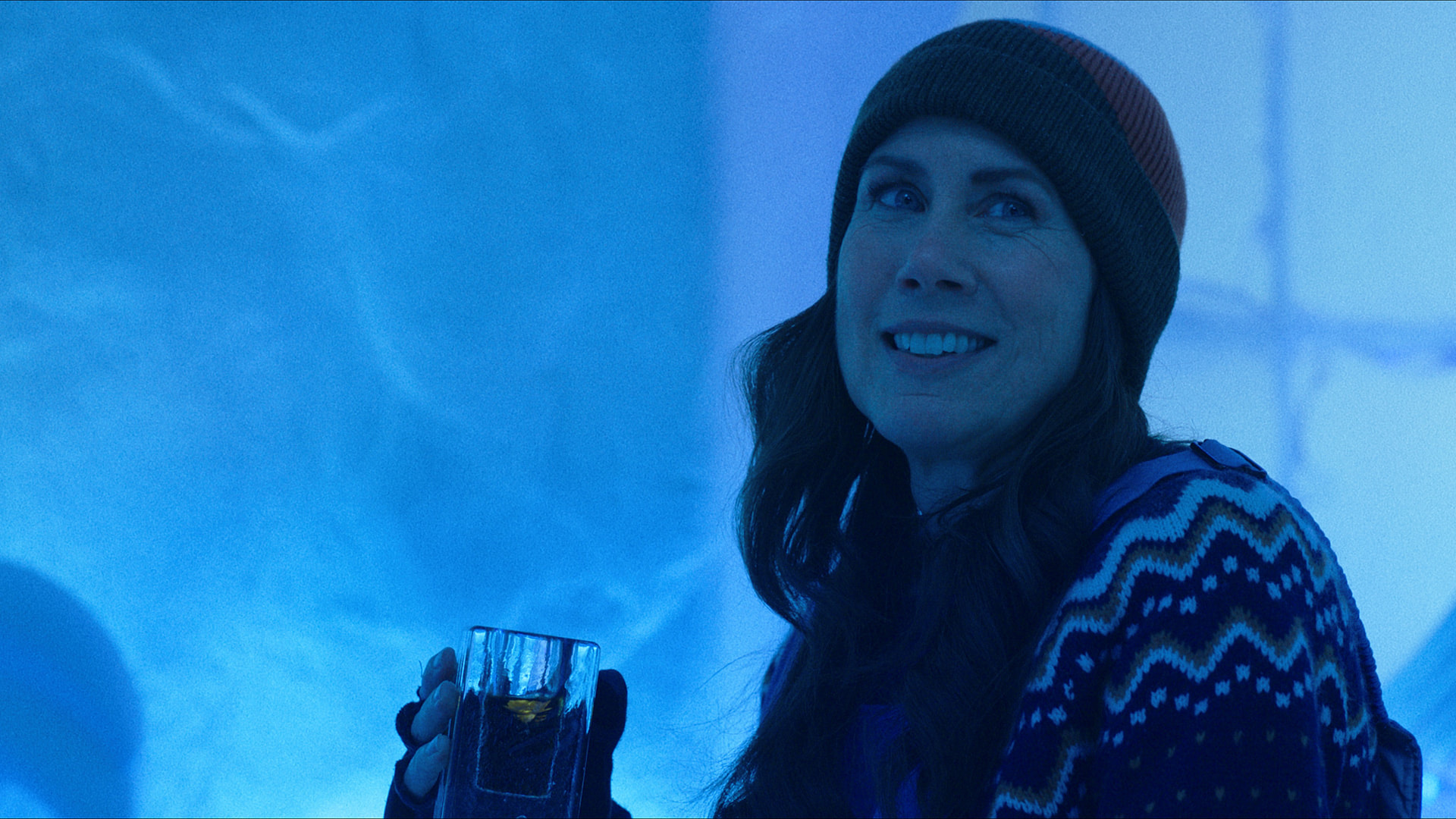
Central performances anchor the episode’s moral inquiry. Protagonists are introduced through small decisions—who to prioritize for supplies, what information to withhold, how public meetings are conducted—rather than through rhetorical declarations. Those pragmatic choices are depicted as ethically fraught from the start, setting up an arc in which private compromises accrue into public consequences. The series resists simple moral categorization by distributing responsibility across networks of actors rather than isolating culpability.
Actors employ restrictive, nuanced techniques—micro‑gestures, measured silences, and subtle shifts in posture—that allow interior conflict to register without expository dialogue. Viewers who pay attention to these details will find that early scenes often serve as seeds for later reckonings. This performance strategy aligns with the show’s structural commitment to implication: character moral failures and redemptions are built through accumulated behavior, not single dramatic moments.

Thematically, the episode sets up questions about legitimacy, information control, and the politics of repair. The show asks whether stability achieved through managed consent is ethically defensible and how institutions should be redesigned after they have been compromised. These are substantive civic questions that the series stages through serialized inquiry rather than through didactic statement, inviting viewers into a debate about public ethics.
However, the same formal choices that produce thematic depth introduce narrative risks. The patient pacing and refusal to offer immediate answers can frustrate audiences expecting faster payoff. The show’s clue‑driven architecture demands sustained attention; without that investment, viewers may find the episode opaque. Whether the series ultimately satisfies depends on its ability to translate cumulative ambiguity into meaningful closure—or at least into productive continuation—in subsequent episodes.
Technically, the episode’s restrained aesthetic is a deliberate strength. Apple TV’s production enables high‑quality practical sets and detailed prop work that support the show’s documentary impulse. Direction and cinematography favor human scale, keeping the focus on faces, hands, and artifacts. This formal discipline ensures that the story’s speculative premise is grounded in tangible practice, which enhances plausibility and emotional resonance.
Critical reception to the premiere has been mixed but engaged: some praise the series for its intellectual rigor and moral seriousness, while others critique its slow pace and narrative withholding. Fans have already begun cataloguing recurring motifs and procedural clues, turning serialized viewing into a collective interpretive exercise. That participatory response may be precisely what the creators intended—Pluribus appears designed to generate prolonged discussion rather than immediate gratification.
Ultimately, Episode 1 positions Pluribus as a different kind of post‑apocalyptic drama—one that treats governance, ritual, and administrative practice as the central site of inquiry. For viewers willing to engage with its patient, forensic style, the show promises a rich exploration of how societies remake themselves and what ethical compromises accompany that work. Whether that promise pays off will depend on narrative follow‑through, but the premiere establishes a clear and provocative foundation.

Rhea Seehorn recently discussed her role in Pluribus during a wide‑ranging interview that touched on performance choices, the series’...
Pluribus concluded its first season with a finale that reframed the series’ central dilemma: what happens when social order...
Pluribus has become a focal point for serialized drama discussions, and the Prosthetic Gods podcast dedicated an episode to...
Episode 1x7 of Pluribus, titled “The Gap,” functions as a narrative hinge, concentrating weeks of procedural buildup into a...

© 2025 PLURIBUS SERIES | We are not affiliated with Apple TV+, our content is not official or endorsed by them in any way.