Breaking Bad 101
The Complete Critical Companion
The ultimate guide to the greatest show on television. Deep analysis, behind-the-scenes secrets, and exclusive insights.



Kevin Bullock joins the critical conversation around Pluribus to examine the narrative and thematic architecture of Vince Gilligan’s first season. The discussion frames the series as a densely written text that leverages procedural detail to probe governance, authority, and moral compromise. Viewers and critics alike have responded to the show’s patient pacing and documentary‑like focus on administrative instruments.

Bullock emphasizes that the series privileges institutions over spectacle, treating ration lists, registration protocols, and council minutes as primary narrative objects. The show stages these artifacts in close‑up, inviting audiences to read bureaucratic practice the way a detective reads evidence. This formal decision reframes horror and sci‑fi tropes into questions about how rules are made and normalized.
According to Bullock, that procedural focus transforms everyday acts—signatures, ledger entries, sanctioned greetings—into engines of dramatic consequence. The cumulative effect is a story that asks how emergent authority consolidates through repetition and routine. Fans have noticed that these small details often seed later payoffs, making the series feel like a serialized study in social engineering.
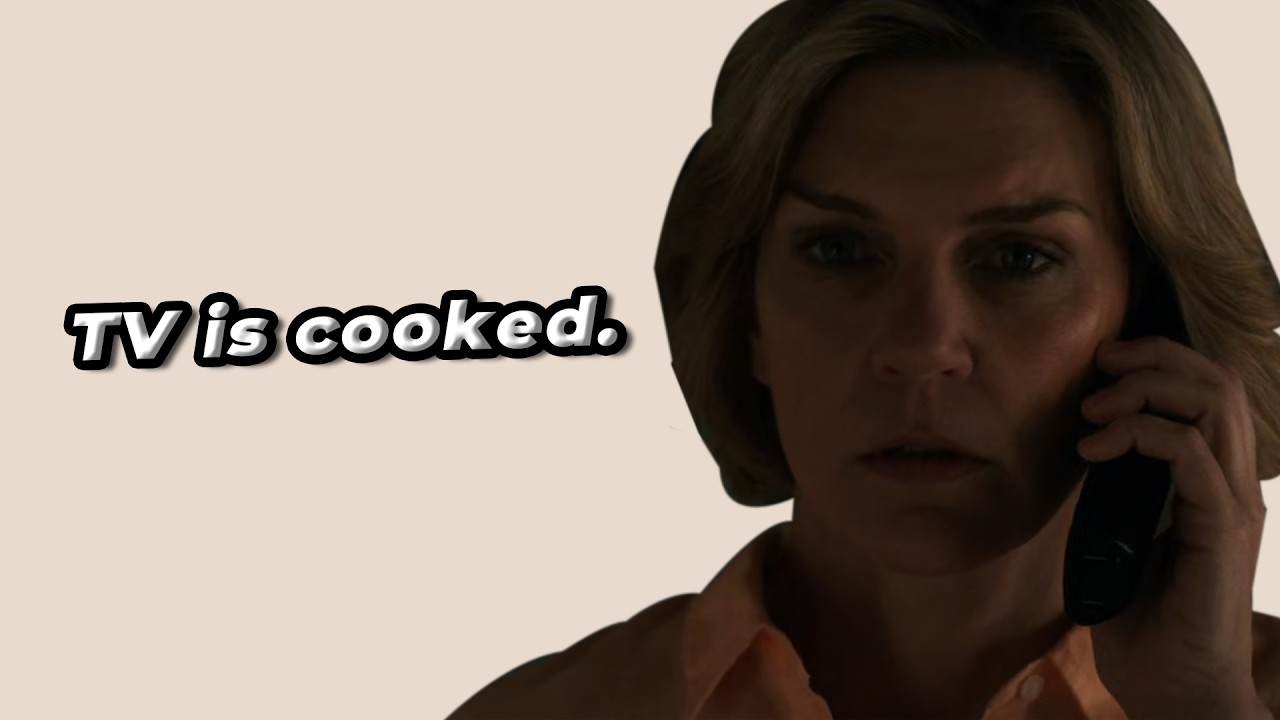
Bullock highlights the cast’s subtlety as central to the series’ ethical complexity. Lead and supporting performers convey long histories through restrained gestures rather than expository speeches, so that silences and micro‑behaviors accumulate into moral debt. The result is character work that reads as indexical: small actions reveal systemic pressures more potently than rhetorical declarations.
That approach, Bullock argues, allows the show to distribute culpability across networks rather than concentrating blame in a single antagonist. Decisions made for pragmatic reasons—ration allocation, enforced curfews, or selective disclosure—become structural features of authority. Viewers are asked to evaluate policies, not just personalities, when judging outcomes.

Beyond aesthetics and performance, Bullock situates Pluribus within contemporary political discourse by arguing that the show dramatizes the politics of information architecture. The series treats language, ritual, and standardized practices as technologies of alignment, suggesting that synchronized behavior can be engineered through communicative design. This framing turns the program into a parable about governance in the information age.
Moreover, Bullock notes that the series deliberately resists tidy resolution, preferring ambiguity that encourages public debate over policy and repair. Institutional remedies shown in the finale—audits, councils, and procedural reforms—are portrayed as partial and contested. That ambivalence invites viewers to consider whether stability achieved through managed consent can be ethically justified or whether it merely reconstitutes coercion in new forms.
In closing, Kevin Bullock’s analysis underscores how Pluribus functions as both a tightly plotted TV show on Apple TV and as a broader civic inquiry. By focusing on administrative practice and the slow accrual of consequence, the series reframes genre expectations and compels viewers to engage with questions about legitimacy, responsibility, and the mechanics of social repair. For critics and audiences interested in serialized drama that interrogates institutional life, the show offers a rich text for sustained interpretation.

Pluribus has emerged as a polarizing entry on Apple TV, prompting debate over whether the series depicts an alien...
Episode 5 of Pluribus, titled “Got Milk,” turns a domestic commodity into a lens on social organization and emergent...
Debate about Pluribus has centered on the nature of the signal that appears to accompany societal alignment, and a...
At PaleyFest NY 2025, creators and cast of Pluribus discussed the show’s development, revealing that a central role was...

© 2025 PLURIBUS SERIES | We are not affiliated with Apple TV+, our content is not official or endorsed by them in any way.