Breaking Bad 101
The Complete Critical Companion
The ultimate guide to the greatest show on television. Deep analysis, behind-the-scenes secrets, and exclusive insights.


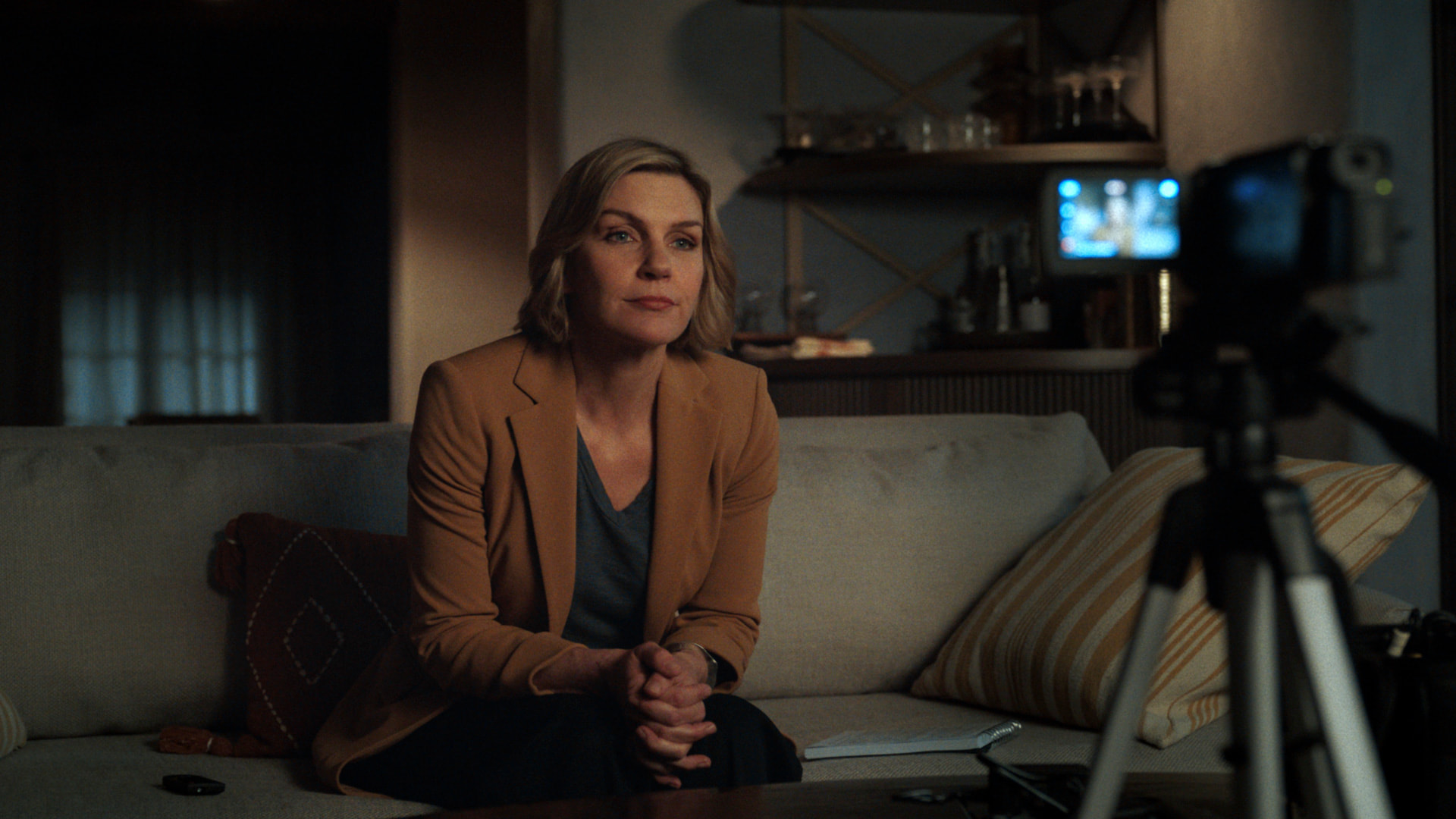
Vince Gilligan and Rhea Seehorn recently participated in a light‑hearted segment that doubled as a revealing discussion about character dynamics in Pluribus. The exchange—organized around a playful “Kim or Carol?” premise—shed light on how casting choices, performance nuance, and authorial intent shape the Apple TV TV show’s moral architecture. Viewers and critics have noted that such public conversations clarify the series’ emphasis on interiority and institutional consequence.

Gilligan and Seehorn stressed that much of the show’s drama depends on micro‑behavior rather than overt exposition. The creative team foregrounds subtleties—hesitations, offhand gestures, and calibrated silences—that allow characters to accumulate moral complexity across episodes. That emphasis has practical implications for how scenes are blocked and edited, privileging close framing and minimal scoring so that small acts register meaningfully.
Actors are encouraged to find internal logic for each minor movement, knowing that the show will reward accumulation rather than spectacle. As a result, supporting performances become critical data points for viewers parsing character motives: a brief facial tic in episode two can recontextualize a policy decision in episode seven. Fans have noticed that this layered approach transforms the TV show into a serialized study of ethical erosion and institutional consequence.
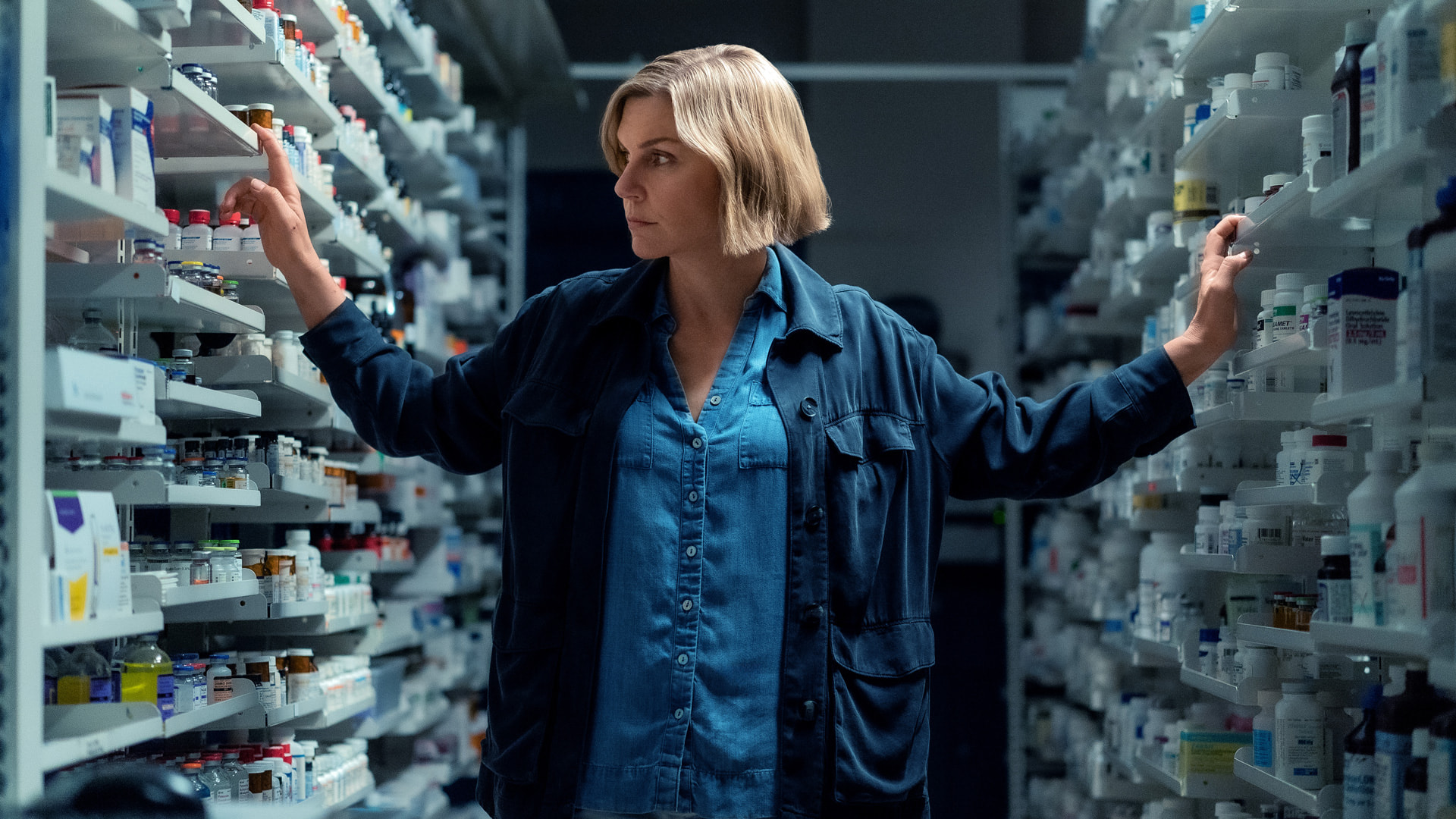
The playful “Kim or Carol?” format allowed Gilligan and Seehorn to articulate differences in temperament and strategy between characters without collapsing those differences into caricature. Carol is repeatedly presented as a pragmatic actor whose decisions are shaped by cumulative pressures, while other figures embody different survival logics—appeasement, opportunism, or principled dissent. The show’s writing deliberately resists tidy moral categorizations, making character contrast a source of ongoing interpretive engagement.
This dynamic informs larger narrative stakes: the series treats governance as an emergent property of repeated individual choices. By casting characters who occupy varying ethical positions, the show creates a dramatic field in which policy, reputation, and survival intersect. Viewers responding to the segment have remarked that the improvisational tone of the mini‑game belied a deeper methodological rigor in how characters were conceived and performed for the Apple TV production.

Gilligan used the occasion to reiterate the series’ commitment to ambiguity and procedural detail. The creative team views the TV show as a study of systems as much as of people, and public interactions like this one serve to orient audience attention toward craft. The incremental release of narrative information—rather than wholesale exposition—was described as a deliberate strategy to cultivate moral inquiry and sustained debate.
That production posture has implications for audience reception. Some viewers expect clear exposition or genre‑typical payoffs; Pluribus demands interpretive labor, rewarding close attention to artifacts and administrative beats. The segment with Gilligan and Seehorn functioned as a soft primer on how to watch: the show’s pleasures accrue from noticing, collating, and revisiting small choices rather than seeking immediate catharsis.
In sum, the informal exchange between creator and lead actor clarified key dimensions of Pluribus’s creative design: performance subtlety, contrastive character logic, and a deliberate commitment to process over instant revelation. As an Apple TV production, the series positions itself within prestige serial drama by using everyday gestures and procedural artifacts as the engines of narrative consequence. For viewers and critics alike, the conversation reinforced why the show’s slow‑burn method continues to generate discussion and debate about governance, responsibility, and the moral cost of pragmatic choices.

Debate about Pluribus has centered on the nature of the signal that appears to accompany societal alignment, and a...
At PaleyFest NY 2025, creators and cast of Pluribus discussed the show’s development, revealing that a central role was...
Pluribus concludes its inaugural season with Episode 9, “La Chica o El Mundo,” an ending that reframes earlier narrative...
Discussion around Pluribus has intensified since Season 1 concluded, with fans and commentators submitting theories that range from plausible...

© 2025 PLURIBUS SERIES | We are not affiliated with Apple TV+, our content is not official or endorsed by them in any way.