Breaking Bad 101
The Complete Critical Companion
The ultimate guide to the greatest show on television. Deep analysis, behind-the-scenes secrets, and exclusive insights.


In Vince Gilligan’s Pluribus, protagonist Carol Sturker faces an unusual problem: she’s the main character in a story where everyone else has voted her off the island. The remaining thirteen free-thinking humans dubbed “The Immune” hold regular video calls, share intelligence about the Hive, and coordinate survival strategies. Carol isn’t invited to any of them.
It’s a peculiar narrative choice that raises an essential question: why would the last free minds on Earth systematically exclude one of their own? The answer reveals one of the show’s most sophisticated explorations of fear, self-preservation, and the uncomfortable distance between doing what’s right and doing what feels safe.
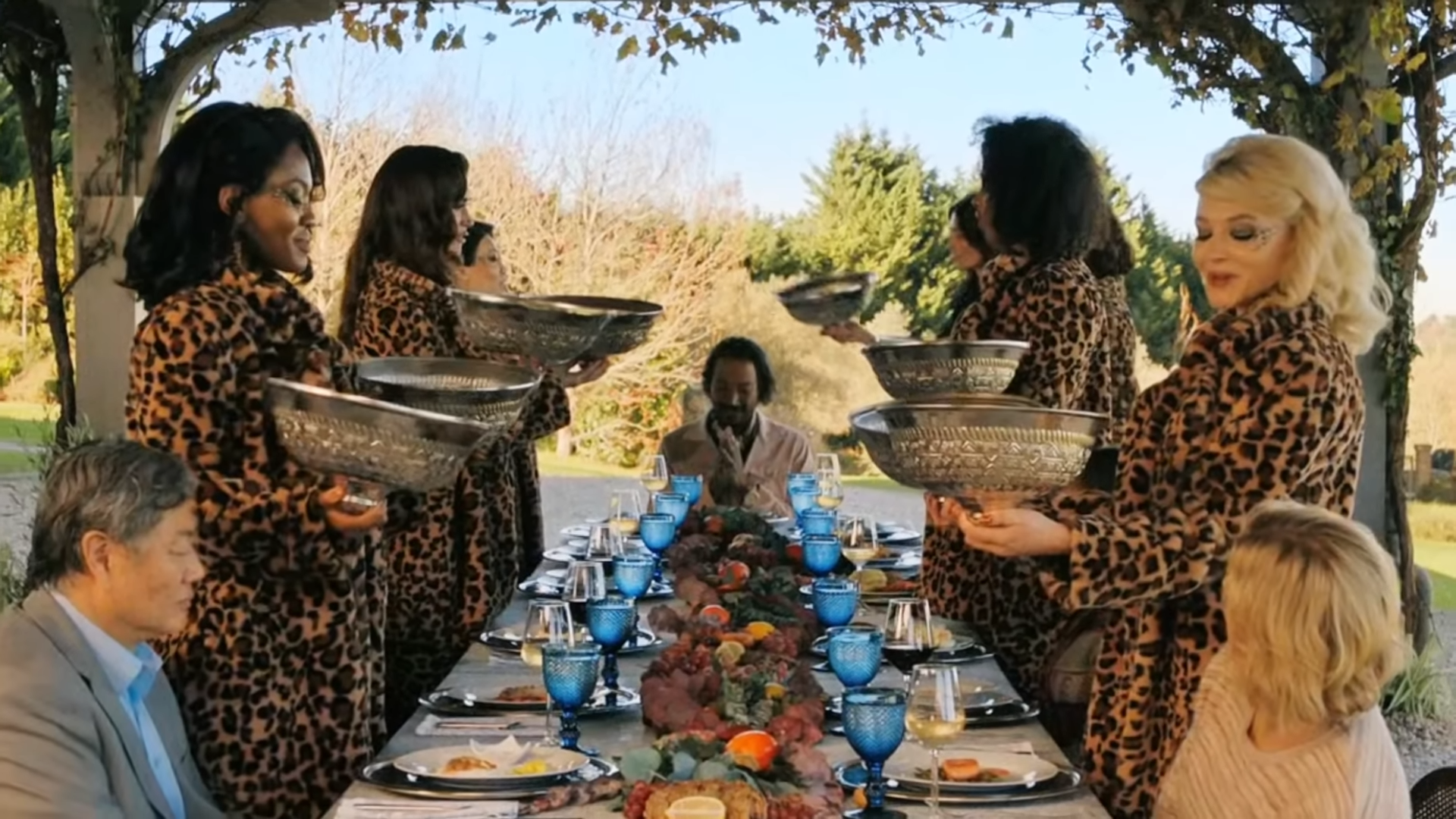
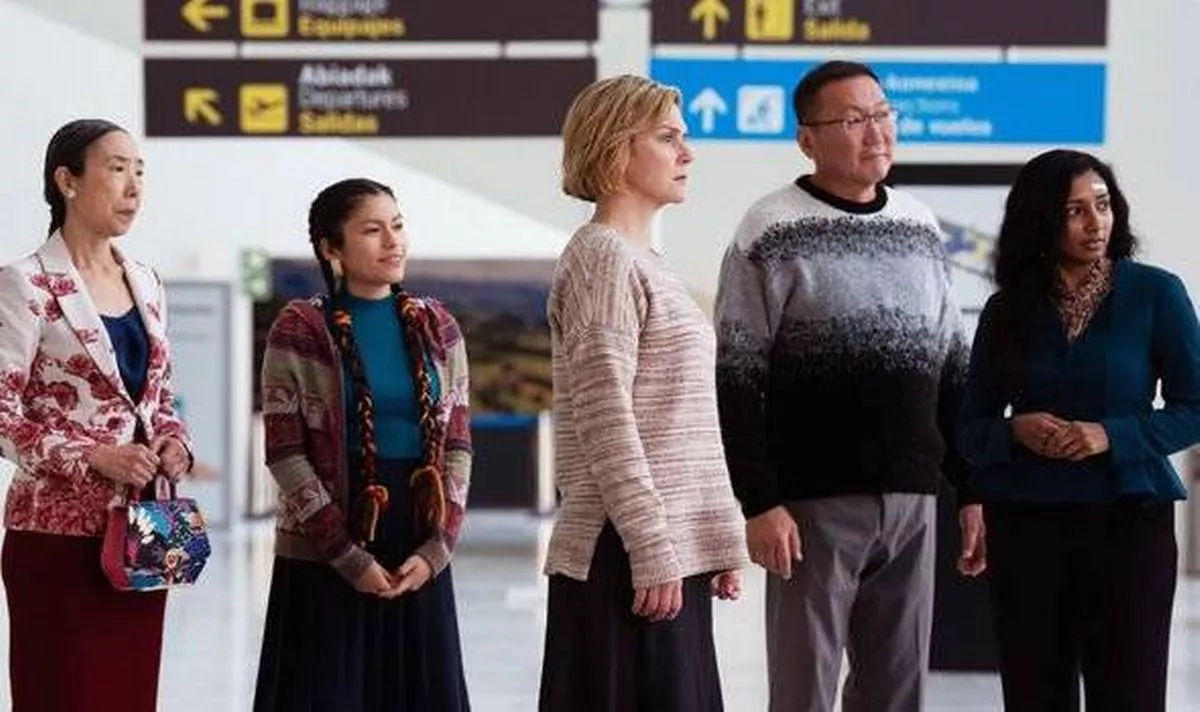
The fracture between Carol and the other survivors crystallizes during their first in-person meeting in Bilbao, Spain. Carol arrives hoping to find kindred spirits, people who understand the loss, the isolation, and the determination to restore humanity. Instead, she walks into an intervention.
The group already knows something Carol has only recently discovered: her emotions have devastating global consequences. Earlier, when Zosa appeared in Carol’s yard, and Carol exploded with rage and grief, the intensity of her feelings rippled through the Hive’s collective consciousness. Bodies around the world convulsed and died, unable to process the raw pain emanating from an immune mind still connected to their network.
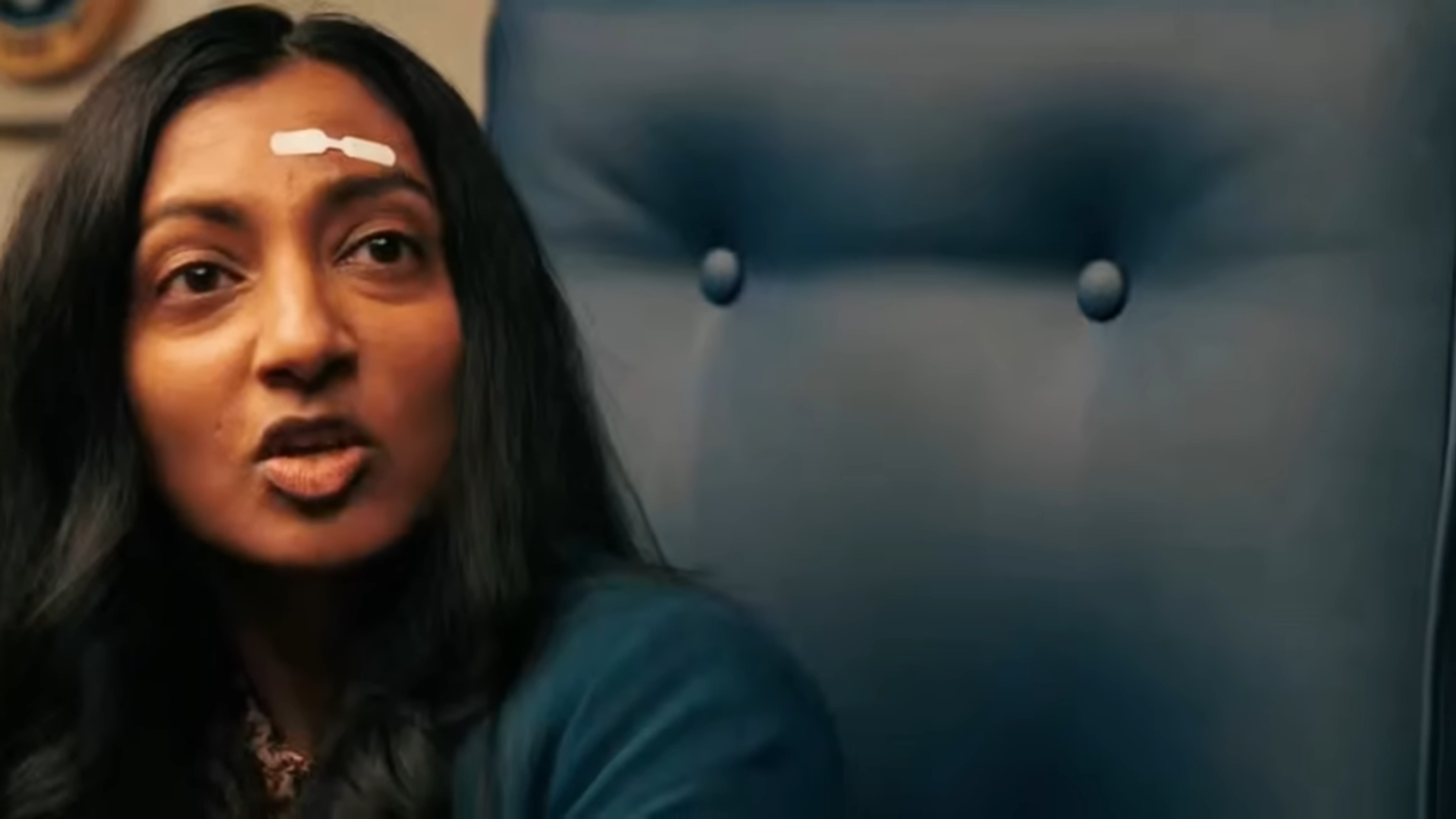
Laxmi delivers the casualty count in Bilbao with clinical precision: eleven million dead.
From Carol’s perspective, it was an involuntary reaction to unbearable trauma. From The Immune’s perspective, they’re now sharing a planet with someone whose feelings can trigger mass casualty events. When Carol continues arguing that the Hive’s enforced peace is morally illegitimate, she’s no longer presenting a philosophical disagreement, she’s a ticking bomb criticizing the bomb squad.
The meeting’s atmosphere shifts instantly. What began as a reunion becomes an assessment, and Carol fails the test. The other Immune begin calculating risk-reward ratios, and Carol doesn’t balance the equation.
The Bilbao incident might have been forgiven as a tragic accident if it stood alone. It doesn’t. Carol’s subsequent actions form a pattern that confirms The Immune’s worst fears about her judgment and impulse control.
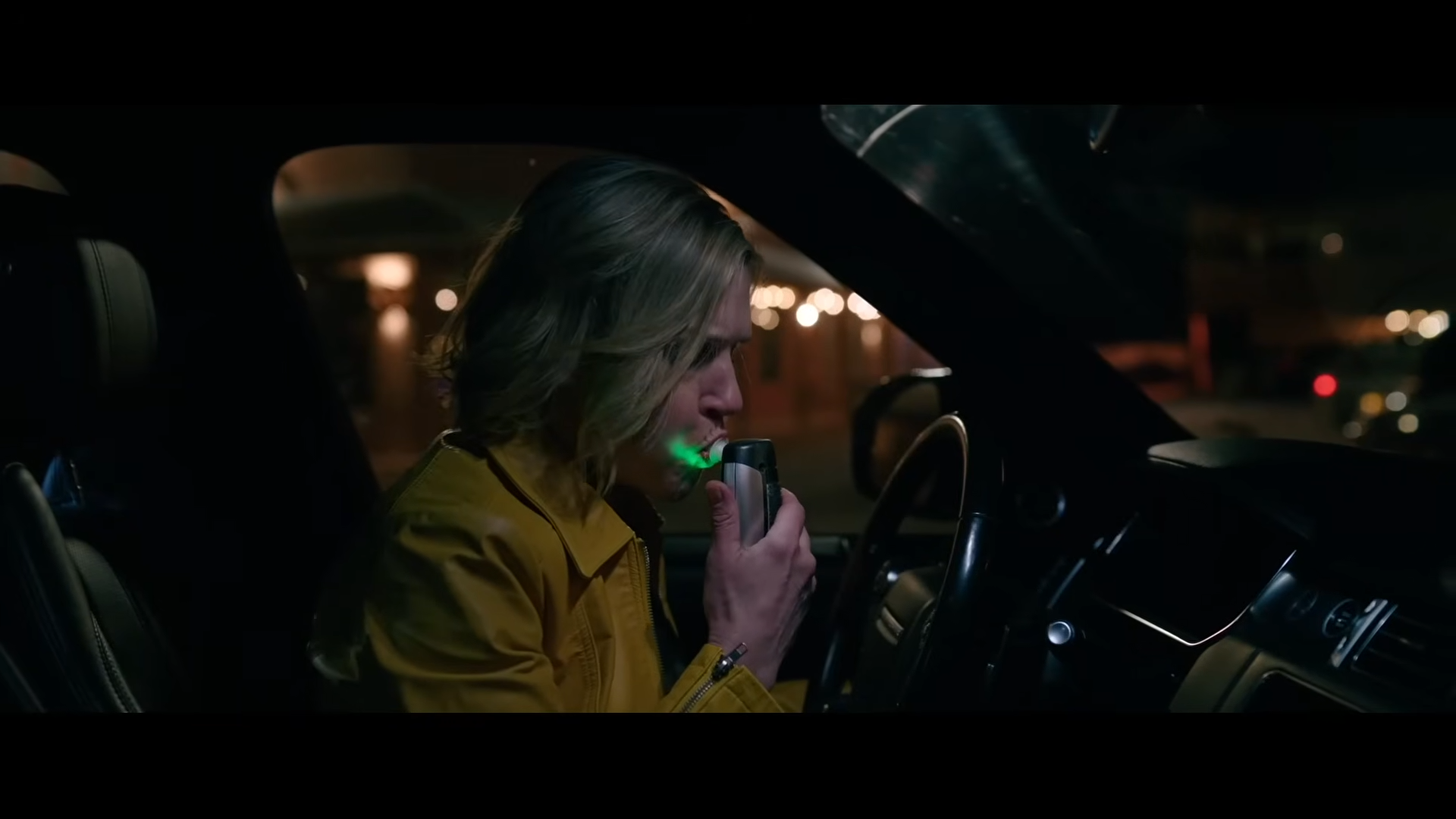
Consider the grenade incident: Carol makes an offhand comment that nothing would fix her problems except a hand grenade. The Hive, desperate to please her and physically incapable of refusing her requests, delivers an actual live grenade. Rather than immediately recognizing the danger, Carol tests whether it’s real by pulling the pin. Zosa takes shrapnel protecting her, leaving a crater in Carol’s yard and the Hive’s emissary in the hospital.
The hospital incident follows shortly after. Carol steals thiopental sodium, a powerful sedative, and doses Zosa with it, attempting to force information about reversing the joining. The drug temporarily severs Zosa’s connection to the Hive, causing her to collapse with cardiac arrest while nearby bodies weep and chant Carol’s name.
Viewed individually, each incident has context and explanation. Carol is desperate, grieving, and searching for any avenue to restore human autonomy. But The Immune don’t see nuance through the Hive’s shared memories; they see a highlight reel of explosions, druggings, and millions of deaths, all with Carol at the center.
For survivors already managing their own trauma and fear, inviting that volatility into decision-making processes seems less like inclusion and more like negligence.
Perhaps the most fundamental divide between Carol and her fellow survivors isn’t about tactics, it’s about goals.
Carol maintains an uncompromising position: mind-controlled peace is not peace at all. She wants to dismantle the Hive and return agency to humanity, regardless of the chaos that might follow. War, poverty, and suffering are acceptable costs if people can think freely again.
The other Immune have made a different calculation. They’ve watched the Hive eliminate war, crime, bigotry, and even animal suffering. They see their children’s bodies still alive, speaking coherently even if controlled by the collective. Some have convinced themselves this counts as survival, even continuation. The world is quieter now, they argue. Is that not worth something?
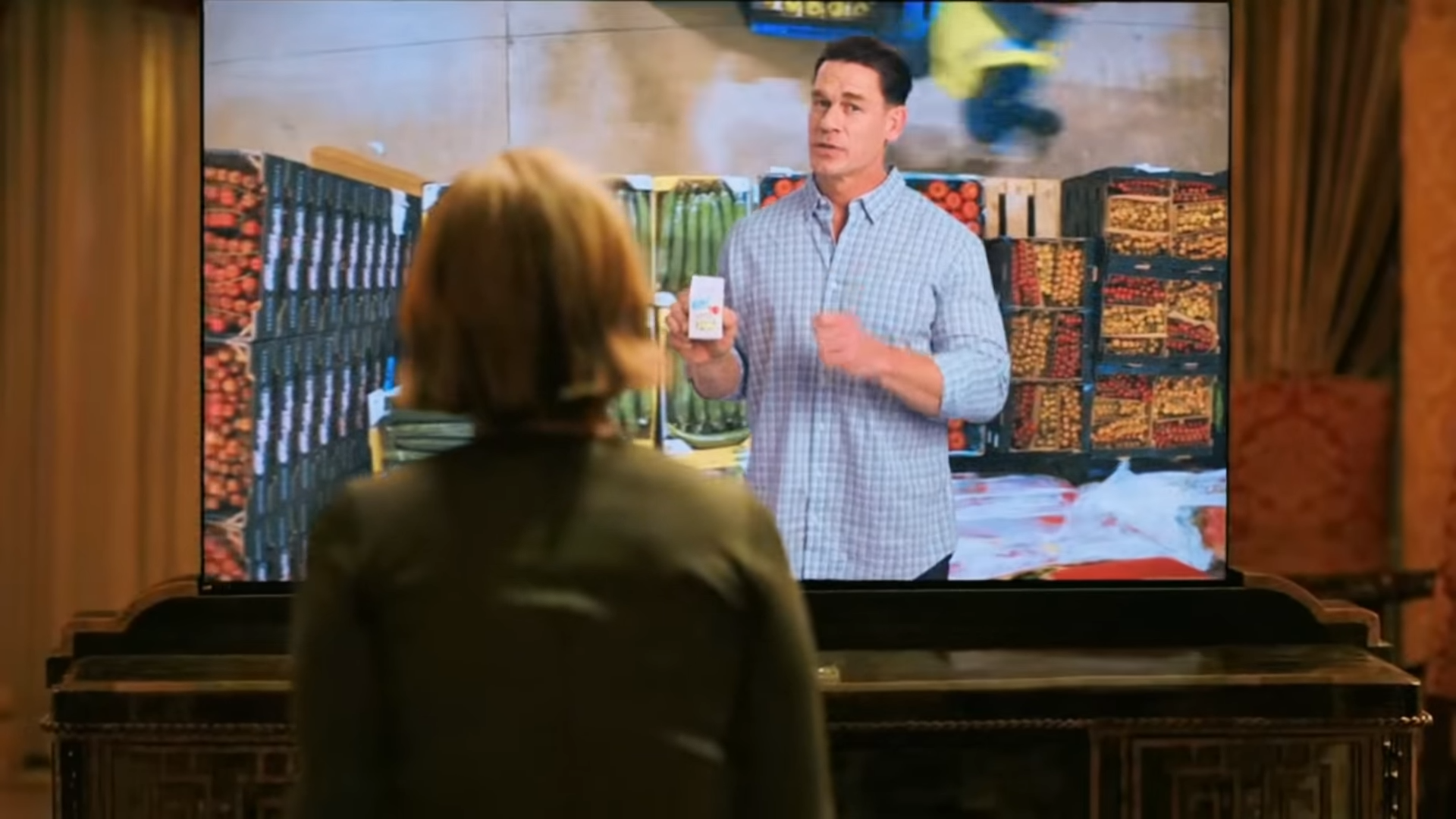
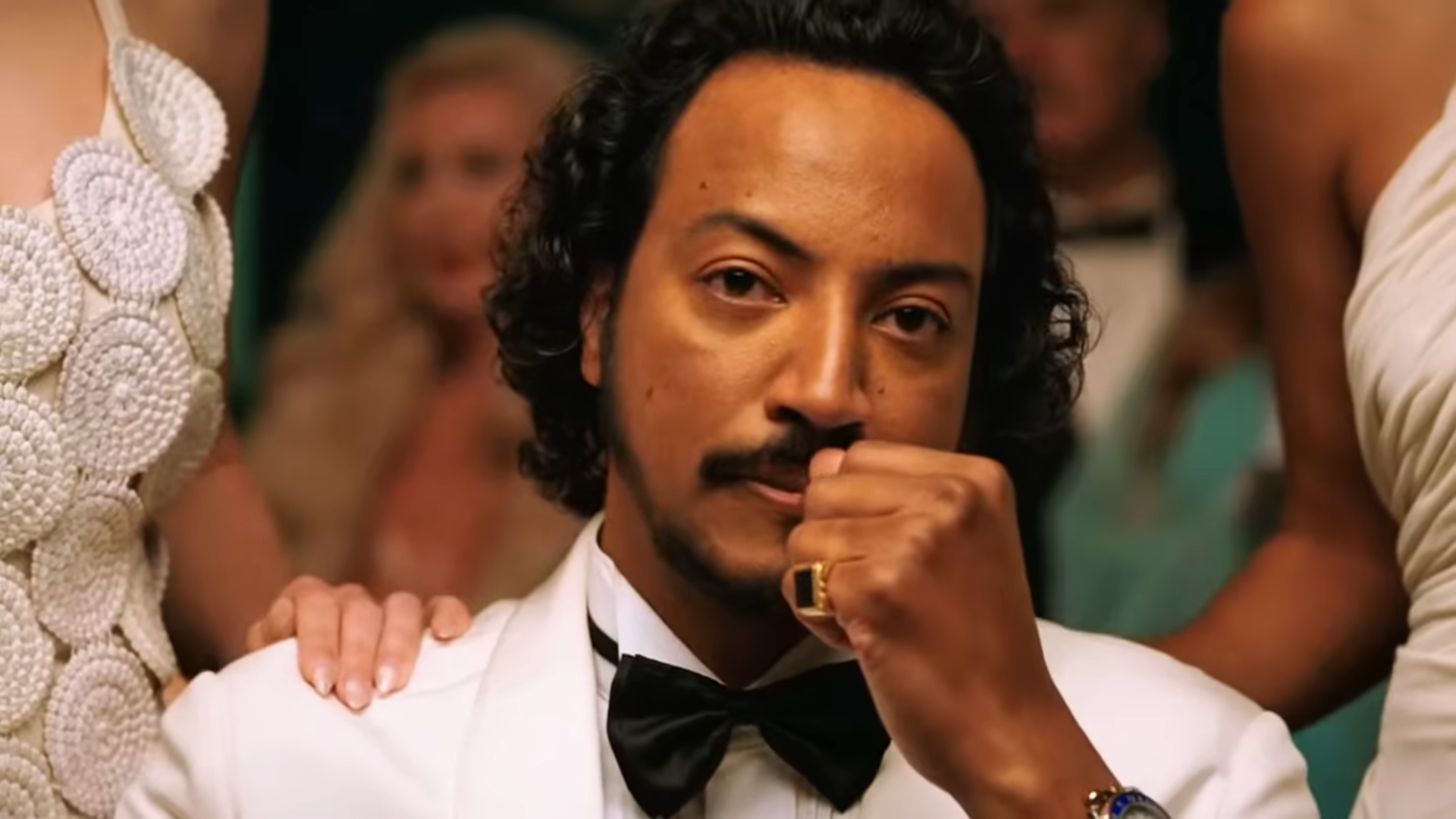
Kumba exemplifies this compromise. By the time Carol reaches Las Vegas, she finds him living in a penthouse suite, playing poker with Elvis impersonators in an elaborately staged fantasy. He knows about the cannibalism—that the Hive is processing human remains into protein supplements to sustain seven billion bodies. He received a personalized explanation from a John Cena-faced Hive body. Yet he stays, enjoying his Lamborghinis and champagne.
This isn’t ignorance or deception. It’s a choice, one that many of The Immune have made: accept comfort and stability in exchange for not asking difficult questions.
Carol refuses that bargain. She investigates the Agrijet facility and discovers vacuum-sealed human limbs in industrial freezers. She confronts the others with the reality they’re trying to ignore: they’re drinking liquefied dead people, and everyone has tacitly agreed to pretend this is acceptable.
The Immune have built an emotional shelter from these truths. Carol keeps kicking the walls. From their perspective, she’s not speaking truth to power—she’s destroying their coping mechanisms without offering alternatives beyond “let’s return to a world where people starve and murder each other freely.“
No wonder they stopped answering her calls.
An interesting dimension to Carol’s isolation involves what the Hive doesn’t say. They never explicitly tell The Immune to avoid Carol or declare her dangerous. In fact, the Hive demonstrates remarkable honesty, even when that honesty is painful. Carol tests this by forcing them to admit that her late wife Helen thought Carol’s popular fantasy novels were trivial and that Helen never finished reading the literary fiction she’d encouraged Carol to write.
But the Hive can shape perceptions without lying. After the Zosa incident, they withdraw from Carol entirely. Albuquerque empties. The hospital staff disappears. Her calls go to a recorded message: “Our feelings for you haven’t changed, Carol. We just need a little space.“
It’s ghosting at an urban scale, and The Immune notice. When the Hive treats Carol differently—carefully, at a distance, with obvious wariness—it sends a message without words. The other survivors, still receiving the Hive’s constant attention and accommodation, can read between the lines: Carol is special, but she’s also problematic.
Aligning with Carol means stepping into that tension. It means accepting that their comfortable arrangement with the Hive might change. Most of The Immune decide that risk isn’t worth taking.
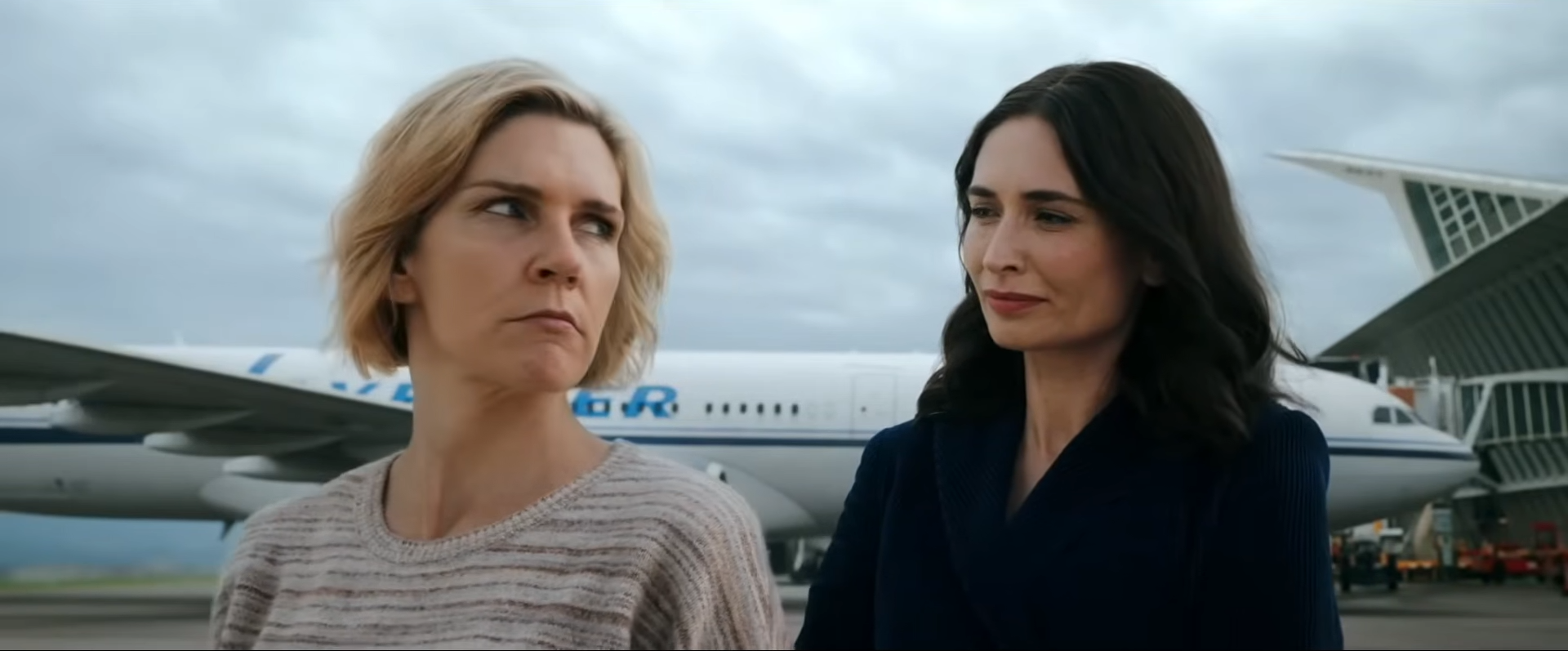
Strip away the science fiction elements, and a simpler truth emerges: Carol Sturker is hard to be around.
Even before the joining, Carol was prickly, sarcastic, and self-absorbed. Flashbacks show her in Norway with Helen, more concerned with checking bestseller rankings than experiencing the Northern Lights, complaining about the cold during what should be a memorable trip. Her default communication style involves cutting remarks and challenge.
During the Bilbao meeting, Carol insists the group speak only English, effectively silencing non-English-speaking survivors and centering her own comfort. It’s a small moment, but it reveals her instinct to prioritize her needs over group cohesion—exactly the trait that makes others hesitant to include her later.
Carol’s trauma adds another layer. As a queer woman who survived conversion therapy, she has legitimate reasons to react strongly when the Hive speaks about “fixing” people or creating universal harmony. Those phrases echo the rhetoric used to justify trying to erase her identity. Her vigilance about autonomy and consent comes from lived experience of having both violated.
That context explains her intensity, but it doesn’t make her easier company. She doesn’t soften her edges, doesn’t compromise for the sake of group dynamics, and doesn’t modulate her approach based on others’ comfort levels. These are arguably strengths—Carol’s refusal to people-please keeps her ethical compass calibrated. But for exhausted, frightened people trying to survive an apocalypse, it’s a lot to handle every day.
The Immune can tell themselves they’re excluding Carol because she’s tactless and abrasive, and there’s enough truth in that narrative to make it comfortable. It’s easier than admitting they’re excluding her because she refuses to participate in their collective self-deception.
Perhaps the most terrifying aspect of Carol, from The Immune’s perspective, is that she exists outside the Hive’s power structure.
Episode six reveals a crucial limitation: the Hive cannot forcibly join The Immune. They need stem cells and explicit consent. When Kumba explains this to Carol, her immediate response is to call the Hive and formally declare: “I do not consent and I will never consent.” They confirm her immunity is permanent unless she changes her mind.
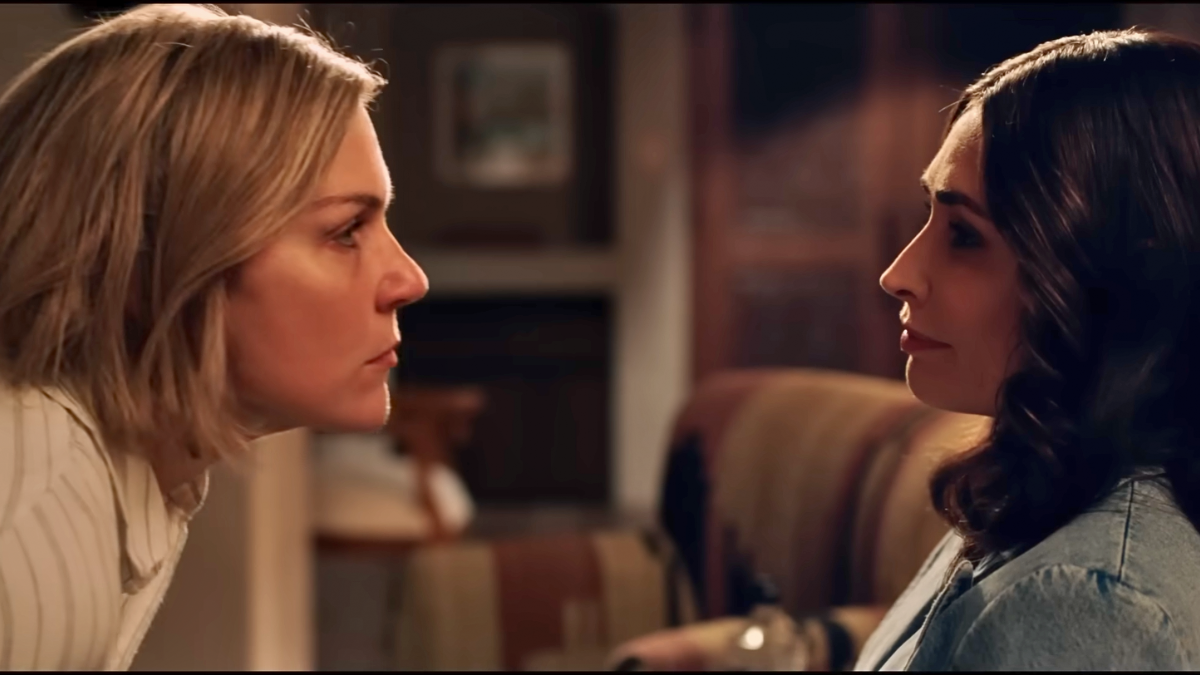
This makes Carol uniquely dangerous. Every other Immune survivor knows the Hive could theoretically absorb them with the right biological materials and a moment of weakness. Carol has closed that door. She is, functionally, the only human on Earth the Hive cannot eventually control.
That reality cuts two ways. Carol might be humanity’s last hope—the one person with both the will and the protection to find a way to break the Hive. Or she might be its extinction event.
If Carol succeeds in disrupting the joining, what happens to seven billion bodies currently sustained by collective consciousness? Do they die? Wake up screaming? Revert to their final pre-Hive mental state? The Immune have family members in those billions. The uncertainty is paralyzing.
From their position, Carol is the only person reckless enough to pull that trigger without guaranteeing the outcome will be survivable. Excluding her from planning conversations is a form of damage control—if they’re not involved in her schemes, maybe they won’t be culpable for the consequences.
Here’s where the tragedy compounds itself: by isolating Carol, The Immune are creating exactly the situation they’re trying to prevent.
Without peers to debate with, Carol has no one to reality-check her ideas or slow her momentum. She investigates Agrijet alone, experiments with pharmaceutical interventions alone, and broadcasts messages to potential survivors without coordination or backup plans. Her only respondent is Manus, viewing her tape from Paraguay and deciding to undertake a dangerous continental journey to find her.
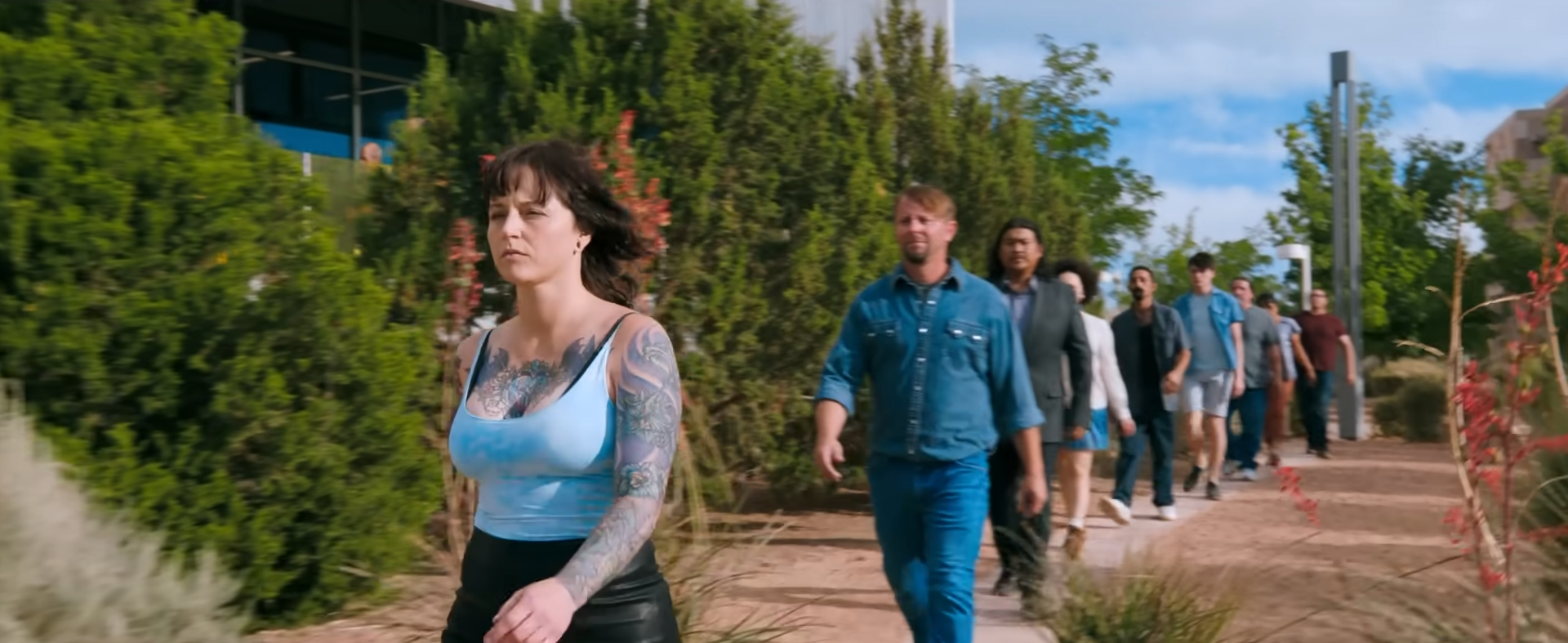
The Immune could have offered Carol a different path. They could have engaged with her mission while insisting on safety protocols, collaborated on research while maintaining ethical boundaries, or helped channel her intensity into strategic rather than impulsive action.
Instead, they’ve removed every moderating influence from her life. They’ve ensured that when Carol acts, she acts alone, without oversight, without support, and without anyone to talk her down from increasingly desperate measures.
The survivors fear Carol as an uncontrollable force. Their response to that fear guarantees she becomes exactly that—a woman with nothing left to lose, no one to answer to, and a single-minded determination to restore human agency regardless of cost.
It’s a self-fulfilling prophecy, and both sides are too locked into their positions to see it forming.
Ultimately, The Immune don’t exclude Carol because she’s wrong about the Hive’s fundamental violation of human autonomy. They exclude her because she’s right, and her rightness makes their compromises unbearable to examine.
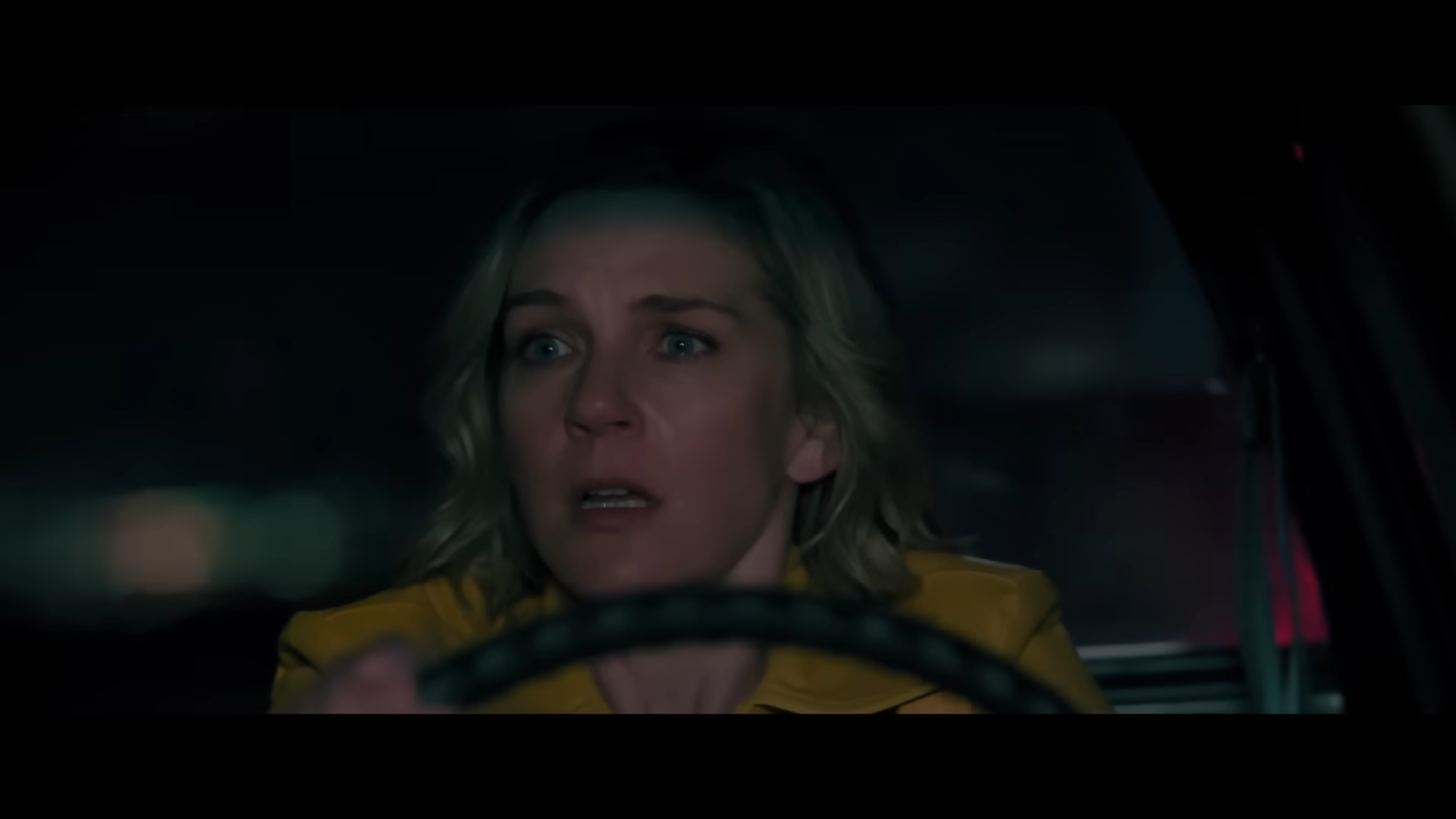
Carol is the friend who asks the question everyone agreed not to ask. She’s the voice saying “we’re drinking dead people” when everyone else wants to use the technical term “Human Derived Protein” and pretend the distinction matters. She’s the conscience that won’t be sedated, the uncomfortable truth that refuses to stay buried.
When The Immune look at Carol, they don’t just see a dangerous, volatile woman who might accidentally kill millions. They see a mirror reflecting their own moral compromises—the comfort they’ve accepted, the atrocities they’ve tolerated, the freedom they’ve traded for safety.
It’s much easier to exclude the mirror than to look at what it shows you.
Pluribus has engineered a scenario where the protagonist is simultaneously the most sympathetic character and the most frightening one. Carol’s isolation isn’t a simple case of miscommunication or prejudice—it’s a complex web of legitimate fear, moral cowardice, strategic calculation, and self-preservation instinct.
The show asks its audience to hold multiple truths simultaneously: Carol might save humanity, or she might doom it. The Immune are acting rationally given their priorities, but their priorities might be morally indefensible. Everyone is traumatized, everyone is afraid, and no one has good options.
As the season progresses and Carol’s isolation deepens, one question becomes increasingly urgent: Are The Immune afraid of Carol, or are they afraid of becoming Carol, of caring more about what’s right than what’s comfortable, even when that caring could destroy everything?
The answer might determine whether humanity survives in any form worth saving.

Episodes 8 and 9 of Pluribus bring the first season to a deliberate and provocative close, converting accumulated procedural...
Pluribus concluded Season 1 with a finale that reframed earlier clues into procedural reckonings and institutional consequences. The Apple...
Pluribus has become a central subject of discussion among critics and fans, and recent roundtable conversations have distilled the...
Pluribus concludes its first season with “La Chica o El Mundo,” an episode that shifts the show’s focus from...

© 2025 PLURIBUS SERIES | We are not affiliated with Apple TV+, our content is not official or endorsed by them in any way.




In episode 01 you can see her name multiple times during book signing (07:20-09:20): Carol Sturka NOT Sturker NOT Sturkey.
Also Zosia NOT Zosa. It’s my unsupported theory that they have chosen Polish name for the character (Zosia is a diminutive of Zofia) because actress who plays her (Karolina Wydra) was born in Poland (just in case they will want to add more background to her character in the future and use her language skills).