Breaking Bad 101
The Complete Critical Companion
The ultimate guide to the greatest show on television. Deep analysis, behind-the-scenes secrets, and exclusive insights.


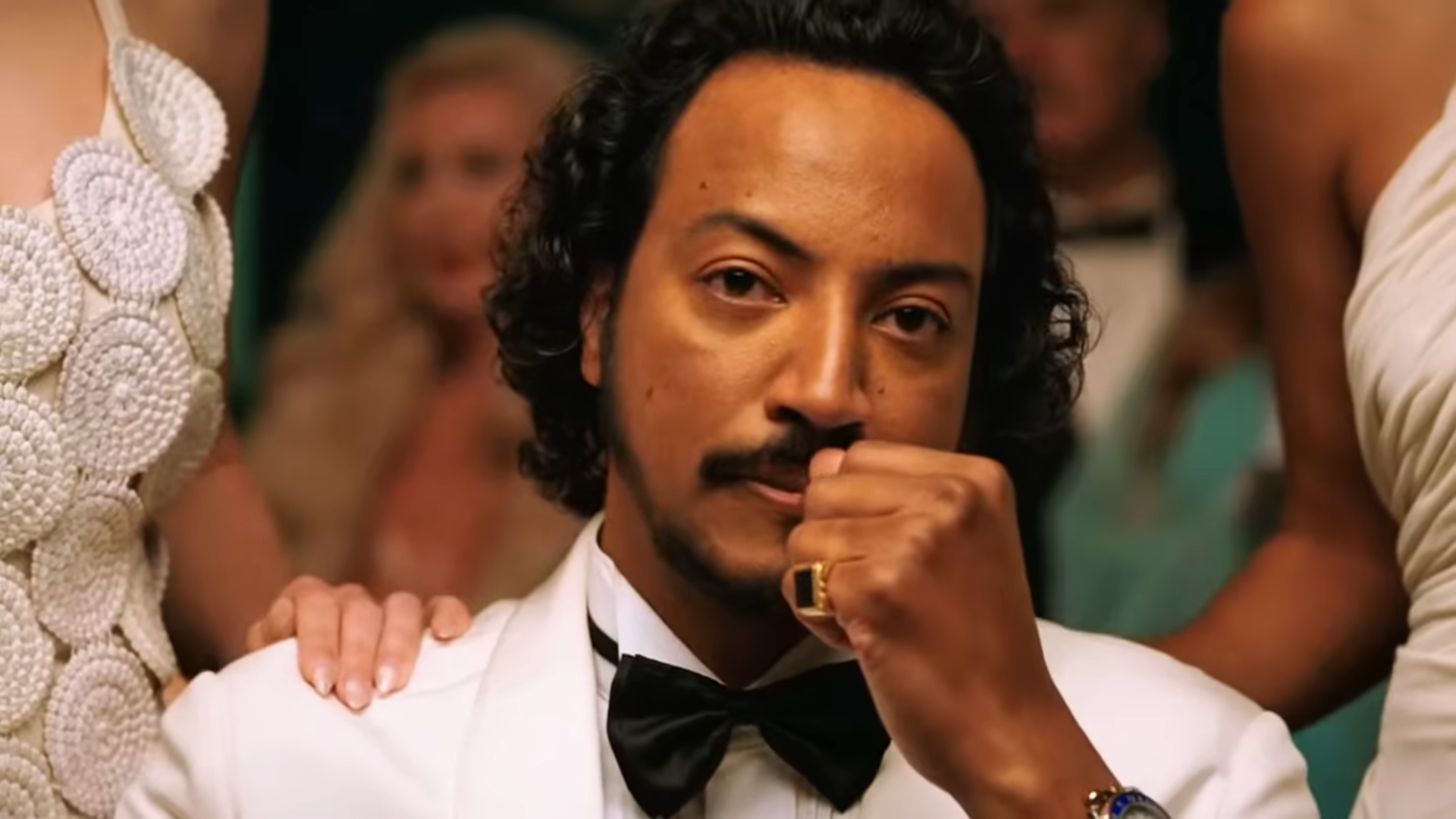
The Pluribus intro has become a focal point for viewers dissecting the Apple TV show’s symbolic and narrative cues. What initially appears as brief, atmospheric montage is packed with repeated motifs—registration forms, ritualized salutations, and specific audio motifs—that the series uses to encode thematic preoccupations. Fans and critics have noticed that close attention to the intro yields interpretive directions that align with the show’s broader civic inquiry.

The intro repeatedly foregrounds administrative artifacts—ledgers, stamped authorizations, and ledger‑style typography—positioning bureaucracy as a visual thesis for the series. These images function as more than set dressing; they perform narrative work by signaling that governance and routine will be the primary engines of conflict. Viewers have pointed out that such artifacts foreshadow the way small procedural acts later accrue moral weight across episodes.
In addition to paperwork, ritualized gestures recur in tight montage: synchronized greetings, communal exercises, and repeated public refrains. The editing emphasizes repetition and cadence, suggesting that the social order in Pluribus is manufactured through ritual rather than emerging spontaneously. This visual grammar aligns with the show’s dramaturgy, which treats repeated behavior as both symptom and instrument of alignment.

Sound design in the intro uses low‑frequency motifs and rhythmic tonal patterns that mirror the visual repetition, creating an aural logic of synchronization. These motifs reappear in key scenes to mark moments when communal behavior shifts or intensifies. Critics have noted that the trailer and opening sequence use these audio cues to suggest a feed‑and‑response dynamic, where information and ritual act as coupling mechanisms within social systems.
The combination of visual and aural repetition implies an engineered topology of influence: patterned speech and sonic signatures act as triggers, while administrative instruments function as stabilizing infrastructure. The effect is to make the phenomenon feel designed and scalable, rather than accidental, a reading that shifts interpretive focus from a mysterious pathogen to sociotechnical design and information architecture.

Decoding the intro yields practical benefits for understanding later episodes, because many narrative payoffs depend on artifacts and rituals introduced visually in the opening sequence. The show’s writers seed clues in short montage—an emblem, a phrase, a ledger entry—that later function as documentary evidence in council hearings and interrogations. Fans who parse the intro often report that rewatching episodes with the intro’s symbolism in mind clarifies character motives and institutional mechanisms.
That symbolic density also shapes audience expectations and critical discourse. By embedding procedural clues in the intro, the series invites serialized attention and rewards viewers who track small details. The approach has a dual effect: it provides interpretive gratification for attentive audiences while also producing confusion for those expecting more conventional, plot‑driven exposition.
Furthermore, the intro’s emphasis on artifacts underscores the show’s ethical project: procedural acts accumulate into institutional power, and the series uses its visual thesis to ask who designs those procedures and to what end. The opening sequence thus functions as a compact argument about governance, aligning the TV show’s aesthetic choices with its political questions about legitimacy and accountability.
In closing, the Pluribus intro is a dense, purposeful sequence that sets the show’s thematic frame through repeated visual and audio motifs. Decoding that sequence clarifies why the series treats paperwork, ritual, and synchronized sound as central narrative tools. For viewers and critics, the intro provides a compact roadmap to the show’s larger inquiry into how social order is constructed and contested in moments of rupture, making the Apple TV series as much a study in institutional design as a work of speculative drama.

Debate about Pluribus has centered on the nature of the signal that appears to accompany societal alignment, and a...
At PaleyFest NY 2025, creators and cast of Pluribus discussed the show’s development, revealing that a central role was...
Pluribus concludes its inaugural season with Episode 9, “La Chica o El Mundo,” an ending that reframes earlier narrative...
Discussion around Pluribus has intensified since Season 1 concluded, with fans and commentators submitting theories that range from plausible...

© 2025 PLURIBUS SERIES | We are not affiliated with Apple TV+, our content is not official or endorsed by them in any way.