Breaking Bad 101
The Complete Critical Companion
The ultimate guide to the greatest show on television. Deep analysis, behind-the-scenes secrets, and exclusive insights.



In Pluribus Season 2, a pivotal revelation centers on a sealed container Carol describes as an “atom bomb.” Some viewers and commentators now argue that Carol’s claim is a deliberate misdirection. This theory reframes the object as a political instrument—an administrative lever or symbolic device—rather than a literal weapon. The interpretation shifts culpability from a singular technical threat to the institutional choices that enable control.

Throughout the season, the series foregrounds paperwork, ritual, and signage as the primary mechanisms of alignment. The container sequence is framed with those same documentary cues—ledgers, stamped forms, and council minutes—that the show treats as narrative evidence. Viewers have noted that the scene’s editing emphasizes procedural context over technical detail, implying that the object’s meaning is administrative as much as material.
Further support for the misdirection reading comes from performance and mise‑en‑scène. Carol’s delivery is cautious and rhetorical, and the camera lingers on surrounding artifacts—authorization stamps, inventory tags—rather than on the container’s internal mechanics. That emphasis suggests the container functions symbolically within bureaucratic discourse: its value lies in the policies and behaviors it triggers, not necessarily in its literal contents.

Interpreting the container as a political instrument reframes the episode’s stakes. If the object serves as a justification for emergency protocols—curfews, prioritized distribution, or informational control—then declaring it a weapon becomes a mechanism for consolidating authority. The show repeatedly depicts how procedural claims produce real social effects, and the container-as-misdirection hypothesis positions Carol as a political actor navigating those mechanisms.
This reading explains why characters respond to the container with bureaucratic urgency. Public hearings, audits, and reassessments follow its disclosure not because of an immediate physical threat but because the claim validates preexisting administrative practices. The narrative thus explores how authority accrues through rhetorical framing: a declared crisis can turn provisional measures into permanent precedent, reshaping community norms under the guise of protection.
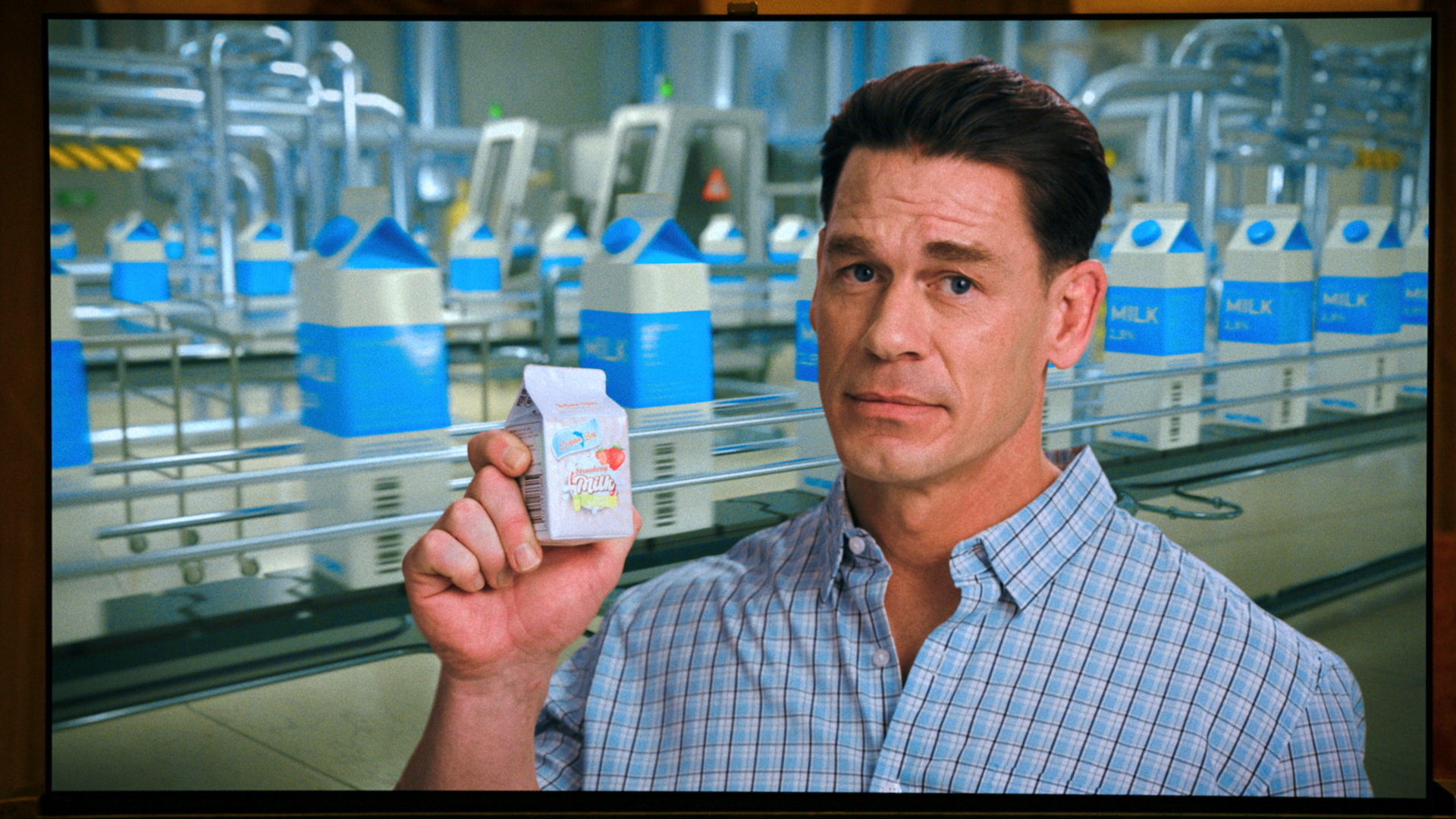
Viewing the container as a symbolic tool complicates moral judgments about Carol and her colleagues. If the claim is strategic, then accountability extends beyond personal deception to the institutional incentives that made such rhetoric effective. The series frames culpability as systemic: documents, procedures, and incentive structures together enabled a political environment where a declaration could reorder social life.
Narratively, the misdirection reading opens rich avenues for subsequent episodes. Investigations would focus on procurement records, authorization chains, and who benefited from the tightened protocols. Remediation would require not only technical fixes but institutional reforms—audits, disclosure mandates, and redesigned oversight. The show’s emphasis on procedural detail suggests that the writers intend to explore these governance questions rather than deliver a simple technothriller reveal.
Critics of the theory point out that ambiguity is a deliberate authorial strategy: the show often resists definitive answers to preserve moral complexity. The container may indeed be a literal hazard in later episodes, and the current evidence remains probabilistic rather than definitive. Nonetheless, treating the object as a rhetorical device helps account for the episode’s emphasis on paperwork, public ritual, and the political uses of emergency language.
Ultimately, the container‑as‑misdirection hypothesis reframes Pluribus from a speculative mystery into a study of institutional power. It highlights how language, documentation, and performance can function as instruments of governance, capable of producing large‑scale social alignment without mechanical coercion. Whether the series ultimately confirms the theory or complicates it further, the interpretation underscores the show’s central interest: how systems, not just individuals, make choices with lasting moral consequences.

Pluribus has officially been renewed for a second season, a confirmation that brings clarity to fans and industry observers...
The season finale of Pluribus, Episode 9 “La Chica o El Mundo,” generated intense reactions as it translated serialized...
Rhea Seehorn recently discussed her role in Pluribus during a wide‑ranging interview that touched on performance choices, the series’...
Pluribus Episode 1, “We Is Us,” subverts expectations for post‑apocalyptic television by prioritizing procedural detail and moral ambiguity over...

© 2025 PLURIBUS SERIES | We are not affiliated with Apple TV+, our content is not official or endorsed by them in any way.