Breaking Bad 101
The Complete Critical Companion
The ultimate guide to the greatest show on television. Deep analysis, behind-the-scenes secrets, and exclusive insights.


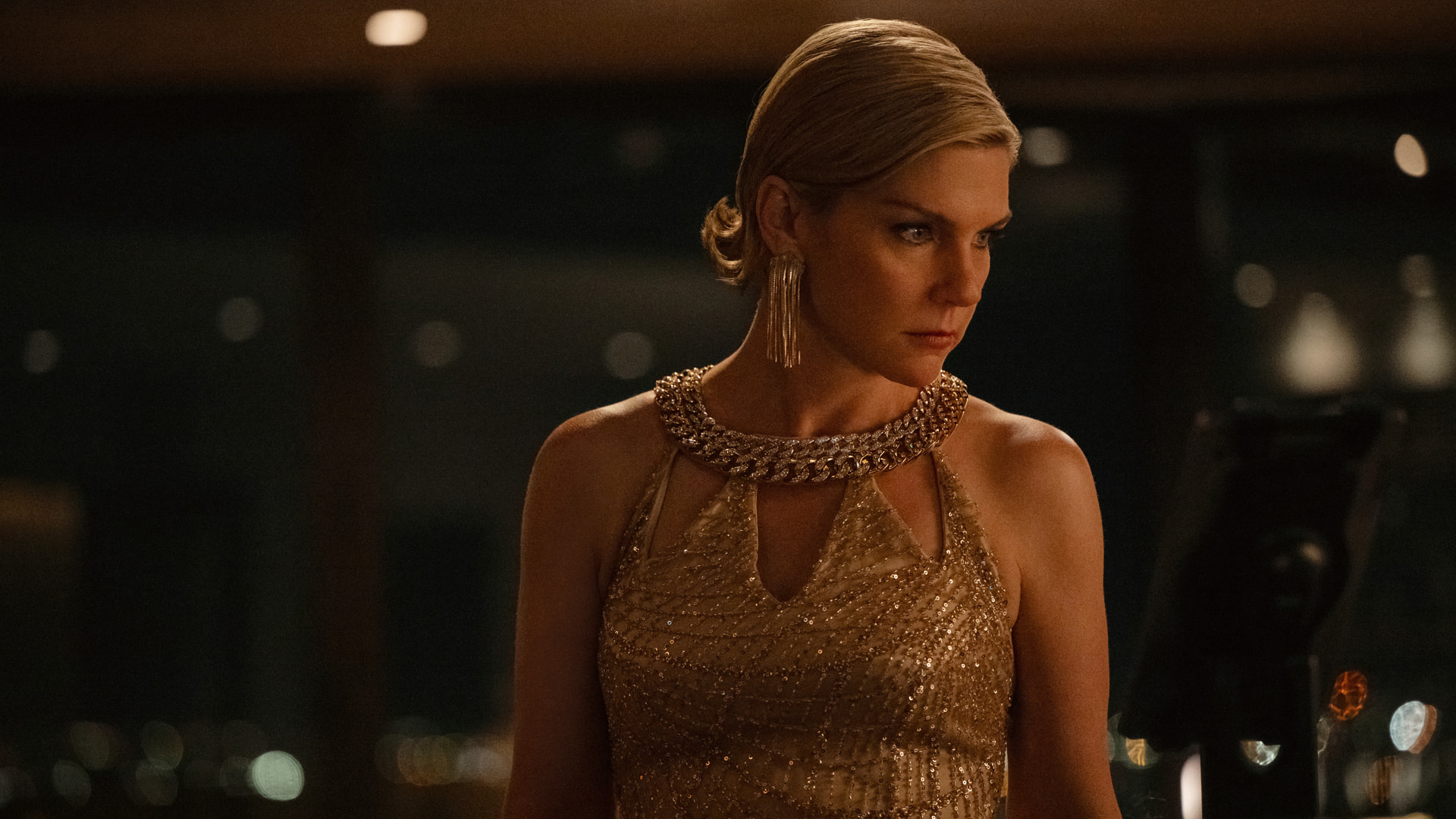
Pluribus concludes its first season with “La Chica o El Mundo,” an episode that shifts the show’s focus from origin mystery to institutional reckoning. The Apple TV TV show uses the finale to translate accumulated procedural detail into public consequence, staging hearings, audits, and contested disclosures as the primary sites of drama. The episode reframes earlier pragmatic choices as systemic liabilities, inviting viewers to evaluate accountability rather than seeking a single explanatory cause.
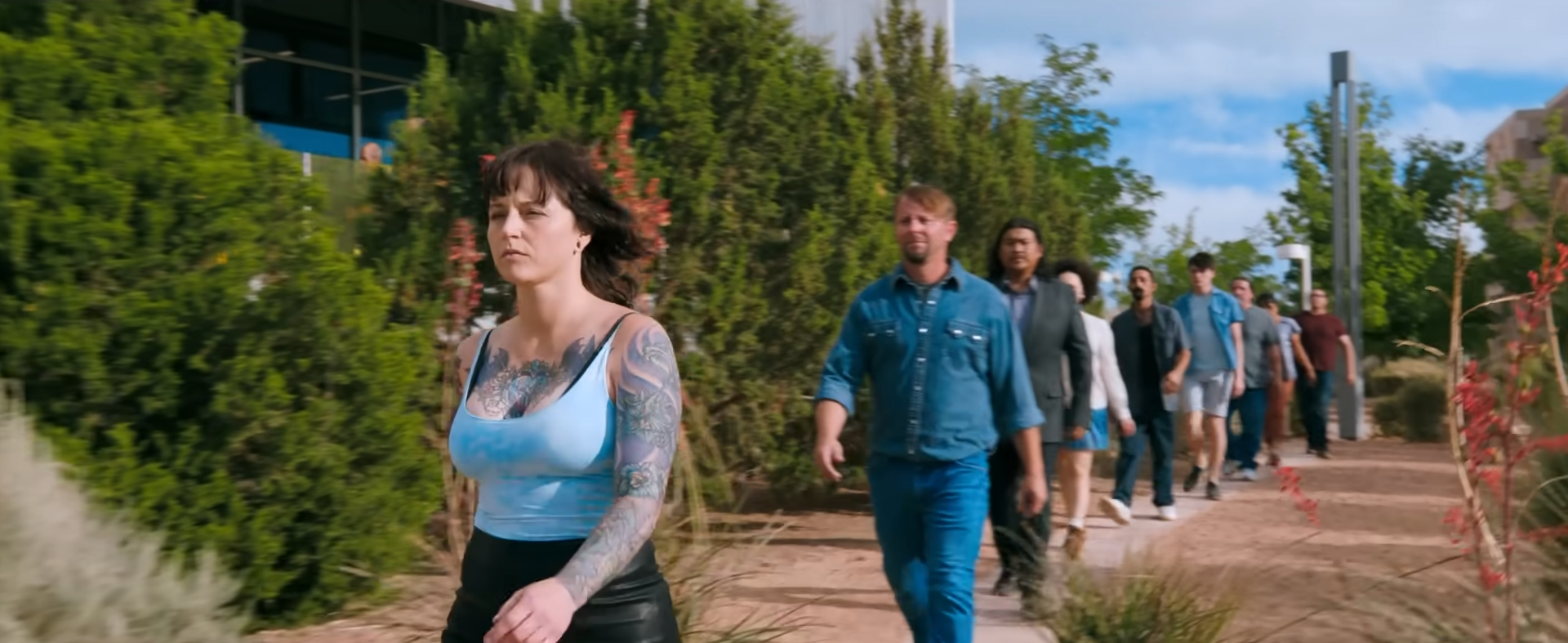
The series has long favored documentary‑style artifacts—ledgers, registration forms, and ritualized notations—as narrative evidence, and the finale turns those artifacts into the material basis for adjudication. Council chambers, audit tables, and recorded testimonies become the arena where private compromises are reinterpreted as public offenses. The episode’s editing and direction deliberately emphasize documentary detail, making small, earlier gestures legible as decisive proof.
That formal approach reframes the season’s mystery away from metaphysical causality and toward institutional practice. Rather than a single revelatory moment, the episode aggregates traces—authorizations, stamped approvals, and recorded memos—that together reconstruct decision chains. This method positions the narrative as a civic inquiry: the question is not solely what happened but who enabled it and by what procedural logic.

The finale distributes culpability across networks rather than locating blame in a single antagonist. Characters who made pragmatic choices under duress—allocating supplies, enforcing measures, or withholding certain information—now face reputational and legal consequences as those choices crystallize into institutional precedent. The show portrays responsibility as emergent from practice, so moral evaluation requires attention to context and cumulative effect.
Performances in the episode underscore this dynamic through restraint and micro‑behavior. Actors convey the weight of long‑term governance through small gestures—hesitations, brief silences, and minimalistic reactions—that align with the show’s documentary style. These restrained choices make ethical ambiguity palpable: viewers are asked to weigh whether survival‑driven measures can be excused or must be held to account.
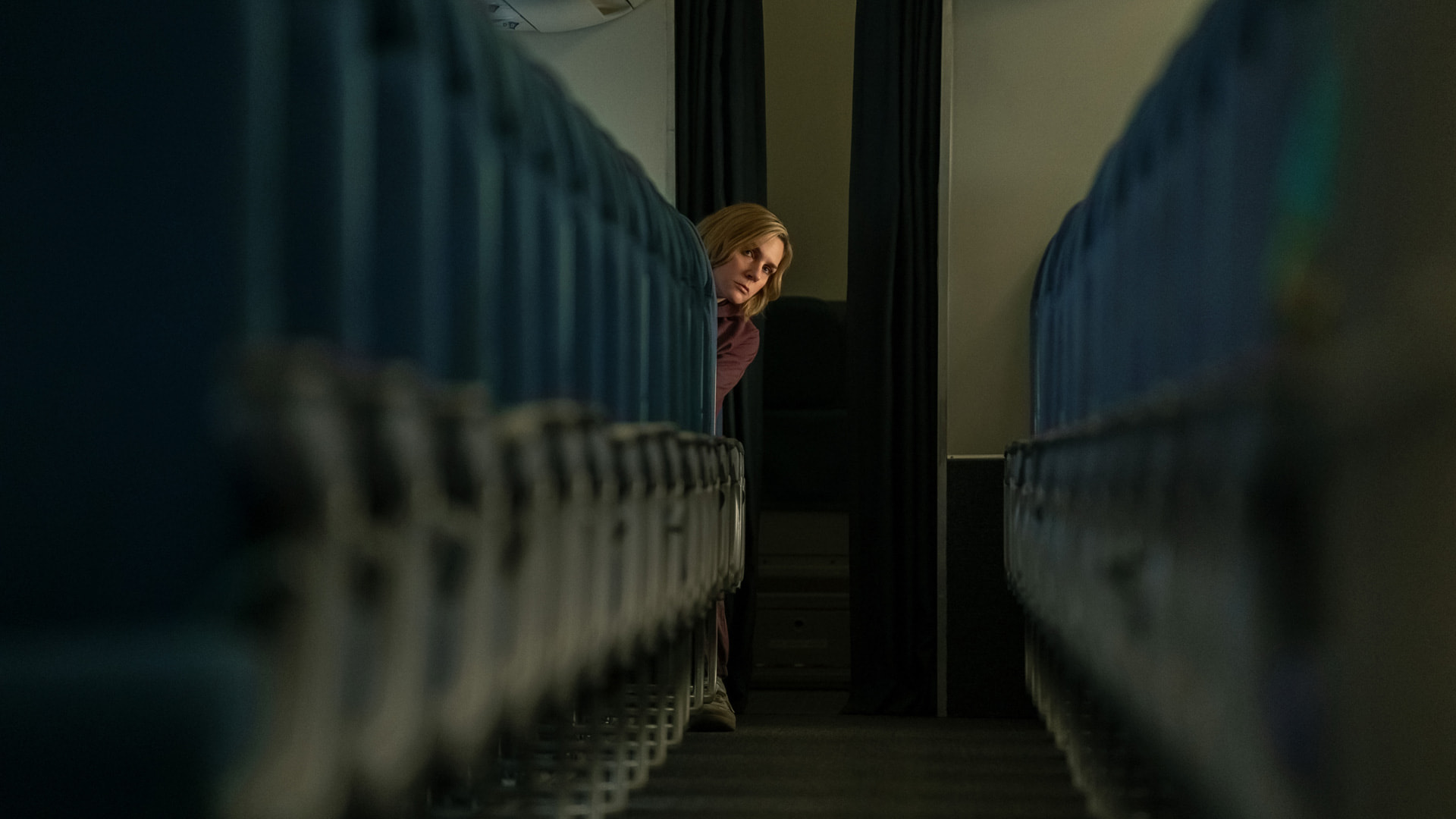
“La Chica o El Mundo” shifts the series’ thematic emphasis to the politics of repair. Proposed remedies—audits, tribunals, and revised protocols—are dramatized as necessary but contested. The episode suggests that transparency alone cannot restore trust; credible institutions and equitable processes are also required. This framing highlights the complexity of remediation in contexts where provisional measures have calcified into durable structures of control.
Information control remains central to the finale’s argument. The episode shows how disclosure can function as both an instrument of accountability and a destabilizing force. Public revelations reconfigure political alliances and social trust, but disclosure without accompanying procedural safeguards can exacerbate harm. The show’s dramatization of these trade‑offs positions institutional reform as a multi‑stage, politically fraught undertaking rather than a single corrective act.
Formally, the episode’s muted visual palette and close framing on documents and faces support its forensic thrust. Sound design emphasizes ambient textures and the cadence of testimony, reinforcing the sense that the drama is procedural rather than theatrical. This aesthetic consistency underscores the series’ thesis that governance is enacted through routine acts and that those acts can produce morally significant outcomes.
Critical responses to the finale have been mixed: some viewers praise the episode’s rigorous interrogation of institutional consequences, while others express frustration at the lack of a single, cinematic resolution. The creative team appears to favor sustained ambiguity and civic questioning over definitive closure, a choice that aligns with the show’s overall method of accumulating meaning through detail.
Looking ahead, the finale sets up fertile ground for future narrative development. Subsequent seasons might expand the geographic and political canvas, testing whether proposed reforms scale and how new governance architectures will be contested. The series’ emphasis on procedural evidence suggests future plotlines will continue to examine how societies rebuild and who gets to decide the terms of repair.
In closing, “La Chica o El Mundo” reframes Pluribus as civic drama: it converts mystery into governance and asks hard questions about legitimacy, consent, and accountability. The episode demonstrates that the show’s most consequential work lies in making everyday administrative acts visible and holding them to public scrutiny. For audiences interested in serialized examinations of institutional life, the finale delivers a rigorous, if challenging, conclusion that foregrounds the politics of repair on Apple TV.

Pluribus has become a central subject of discussion among critics and fans, and recent roundtable conversations have distilled the...
Pluribus concluded Season 1 with several unresolved threads that pointed toward a technological escalation, and early signals suggest Season...
Pluribus, the Apple TV series, dramatizes how information architecture and institutional design shape social order—an observation that resonates with...
Pluribus closes its first season with “La Chica o El Mundo” (The Girl or the World), an episode that...

© 2025 PLURIBUS SERIES | We are not affiliated with Apple TV+, our content is not official or endorsed by them in any way.