Breaking Bad 101
The Complete Critical Companion
The ultimate guide to the greatest show on television. Deep analysis, behind-the-scenes secrets, and exclusive insights.


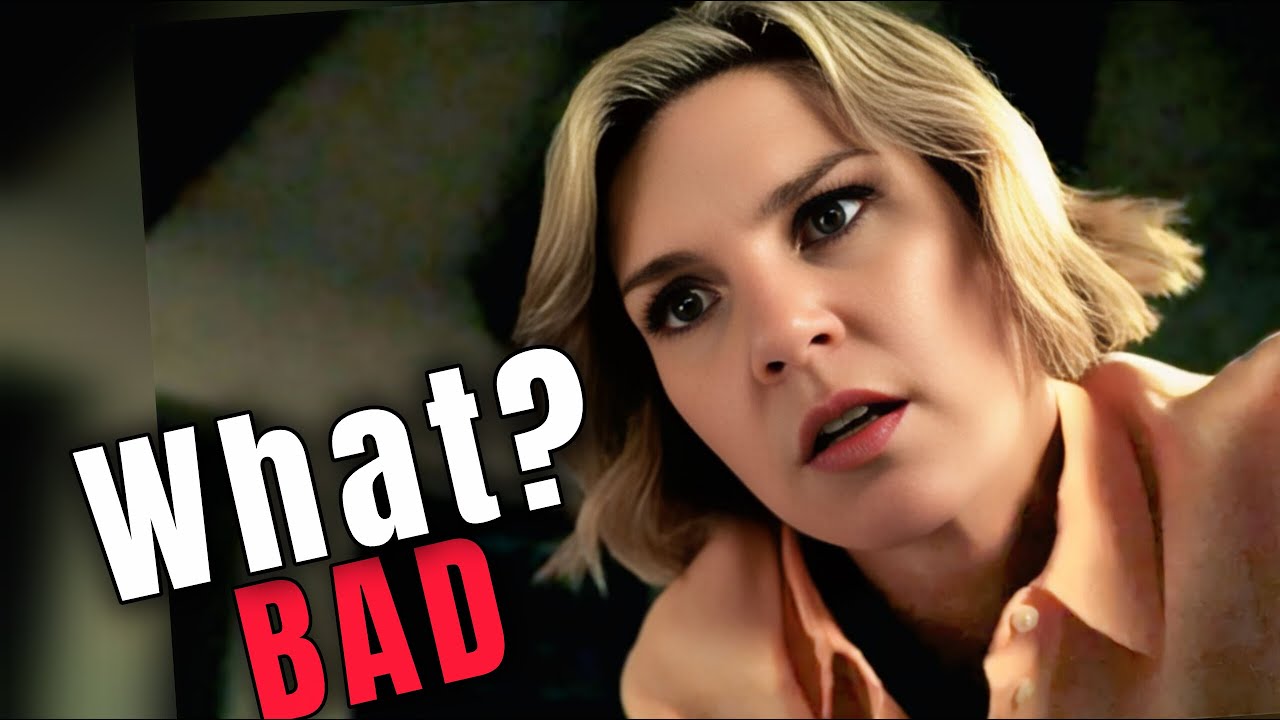
Pluribus concluded Season 1 with several unresolved threads that pointed toward a technological escalation, and early signals suggest Season 2 will center on contested information environments. The show’s finale implied that the alignment phenomenon can adapt, prompting speculation that future episodes will dramatize a strategic contest over signals, control, and legitimacy. For viewers of the Apple TV TV show, the likely trajectory reframes the mystery as an emergent conflict between human institutions and engineered communication systems.
The first season repeatedly treated documents, rituals, and public refrains as the mechanisms that produced social alignment; the finale’s hints about adaptive behavior make a technological dimension more plausible. If the alignment can respond to intervention, the series logically moves from forensic inquiry to strategic competition. A signal war would stage attempts to disrupt, replicate, or hijack communicative channels—and that escalation fits the show’s forensic aesthetic.
Practically, a conflict over signals could unfold across multiple modalities: broadcasted cues, localized acoustic motifs, or embedded software updates in distributed devices. The show has already established infrastructure—registries, distribution networks, and ritual sites—that could double as transmission nodes or amplification points. Writers can therefore dramatize how technical interventions interact with administrative routines, turning procedural acts into tactical operations.

Season 2 will likely heighten the interplay between individual agency and institutional capacity. The series has framed responsibility as networked rather than singular, and the signal war hypothesis extends that theme: technocrats, regional administrators, and community leaders will vie to define protocols, control information flows, and claim legitimacy. These contests will be both technical and political, involving recruitment, coercion, and normative framing.
Character arcs may pivot from survival to stewardship. Figures who previously made pragmatic concessions will face choices about disclosure, countermeasures, and ethical limits to intervention. The show’s ensemble structure allows it to explore varied positions—those advocating aggressive neutralization of signals, technocratic engineers proposing targeted fixes, and local communities demanding transparency and due process—producing dramatic friction that is both policy‑driven and intimate.
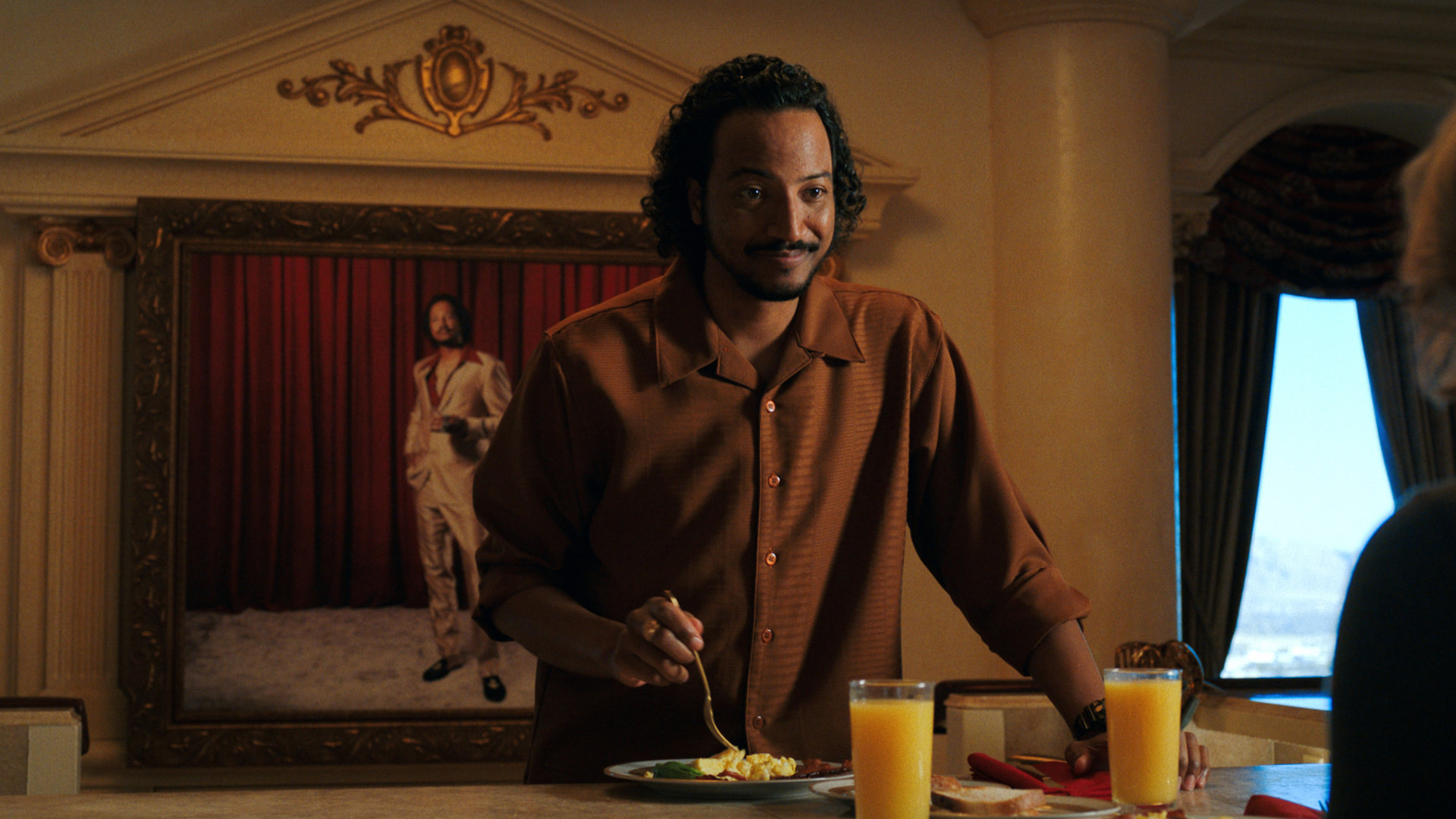
If Season 2 stages a signal war, remediation will become a central narrative concern. Options include technological countermeasures (signal jamming or desynchronization), procedural reforms (audits and public oversight), and social remedies (community consent protocols). The show is likely to dramatize the trade‑offs: technological fixes may have collateral effects, procedural reforms can be slow and contested, and social remedies require levels of trust that the first season showed are hard to rebuild.
These remediation debates will foreground questions of legitimacy: who gets to authorize interventions, how are risks assessed, and what reparative frameworks are acceptable to affected populations. The series is well positioned to treat remediation as political theater where evidence, ethics, and expertise collide—audiences can expect hearings, clandestine experiments, and contested deployments to populate the season’s arc.
Formally, the show’s restraint will shape how the signal war is depicted. Rather than spectacle, conflicts will likely appear as procedural escalations: shifted minutes in council meetings, altered ledger entries, updated public directives, and quiet technical readouts. That approach preserves the series’ documentary tenor while allowing high‑stakes drama to emerge from logistical and communicative work.
There are narrative risks. Escalating to a signal war could push the series toward techno‑thriller conventions, but the show’s strength lies in translating technical detail into civic drama. The most successful path will integrate technical plausibility with institutional inquiry, ensuring that the war over signals remains an ethical drama about governance rather than a purely mechanistic action story.
In conclusion, a Season 2 focused on a signal war would extend Pluribus’s central concerns—information, ritual, and institutional repair—into explicitly contested terrain. For the Apple TV TV show, the stakes are geopolitical and moral: whether communities can design accountable responses to engineered alignment without reproducing coercive architectures. If the creators maintain the series’ careful, procedural method while raising tactical stakes, Season 2 could dramatize not only how systems align people, but how societies might democratically reclaim the channels that shape collective life.

Pluribus has become a central subject of discussion among critics and fans, and recent roundtable conversations have distilled the...
Pluribus concludes its first season with “La Chica o El Mundo,” an episode that shifts the show’s focus from...
Pluribus, the Apple TV series, dramatizes how information architecture and institutional design shape social order—an observation that resonates with...
Pluribus closes its first season with “La Chica o El Mundo” (The Girl or the World), an episode that...

© 2025 PLURIBUS SERIES | We are not affiliated with Apple TV+, our content is not official or endorsed by them in any way.