Breaking Bad 101
The Complete Critical Companion
The ultimate guide to the greatest show on television. Deep analysis, behind-the-scenes secrets, and exclusive insights.


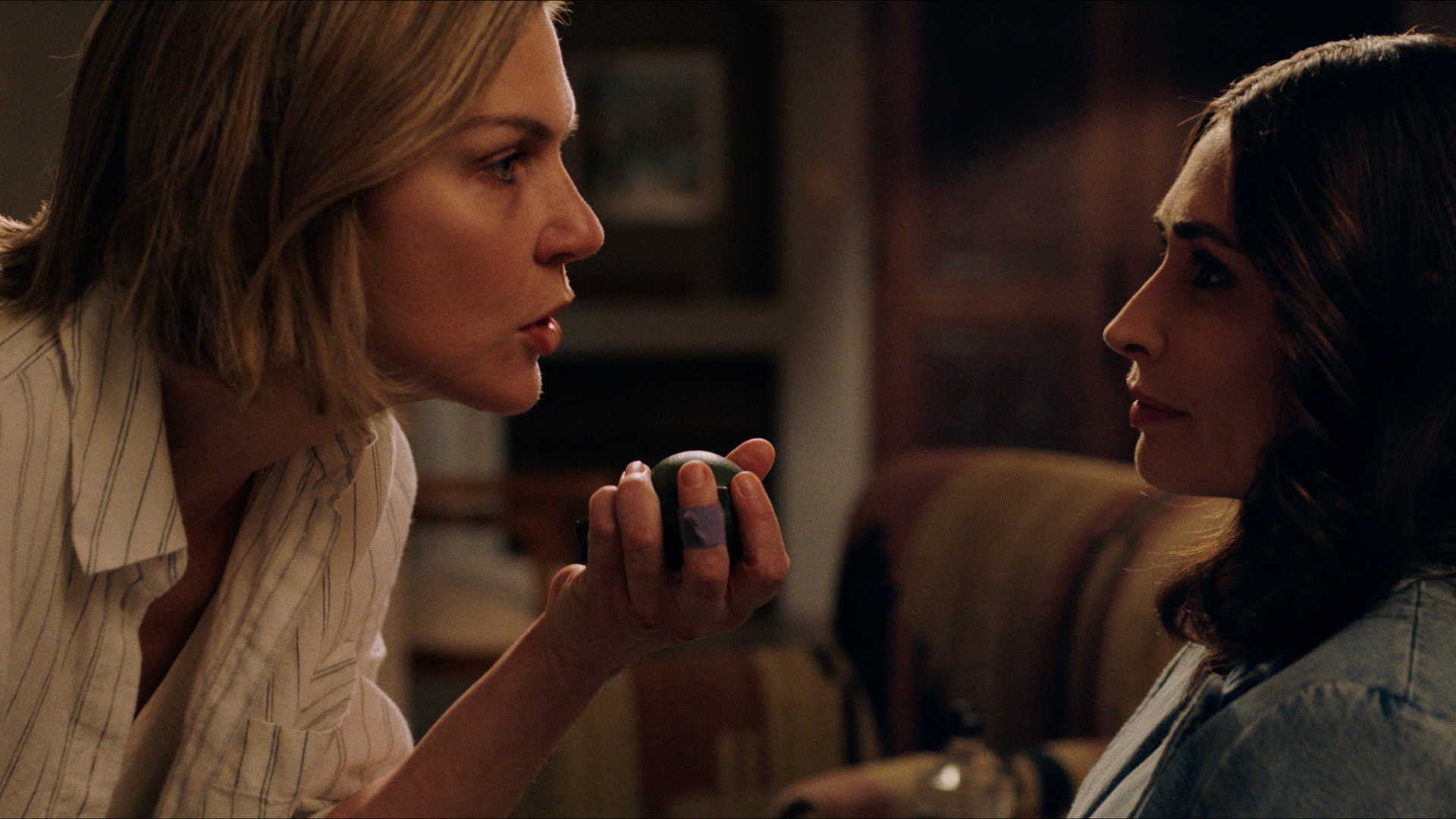
Speculation about Pluribus Season 2 has taken a sensational turn with a theory that Zosia may be pregnant—and that the pregnancy could be connected to Carol’s frozen‑sample subplot. The idea circulates among fans because it would crystallize the show’s ongoing themes of bodily autonomy, institutional control, and the political economy of repair. Presented cautiously, the theory invites examination of narrative signals and thematic implications rather than definitive claims.

Supporters of the theory point to a number of recurring motifs in Season 1 and the early Season 2 teases: intimate scenes that suggest physical proximity, covert references to preserved biological material, and production emphasis on clinics and supply chains. The show’s documentary style—close framing on artifacts and procedural records—encourages viewers to treat such details as potential plot seeds. Where register and gesture intersect with set dressing, fans read opportunity for a dramatic beat that binds personal and institutional stakes.
Furthermore, public scenes of provisioning and private moments of intimacy often occur in adjacent narrative spaces, making it narratively plausible that a pregnancy would transform private lineage into public policy. The series has already used physical objects—ledgers, registry cards, and storage containers—as narrative evidence; a pregnancy could function similarly as an artefact that reframes previous decisions. Importantly, the show’s creators have kept key details deliberately ambiguous, which has encouraged interpretive communities to assemble such hypotheses from cumulative clues.

If the pregnancy theory proves true, its narrative value would be significant. Pluribus centers ethical questions about consent, repair, and who benefits from restored order; a child linked to Carol would make those abstractions immediate and embodied. The series often disperses responsibility across networks, and a pregnancy would concentrate moral and political attention on interpersonal decisions that have institutional ramifications. That dramatic focus would allow the show to explore intergenerational consequences and the politics of membership in a reconstructed society.
Additionally, connecting a pregnancy to Carol’s frozen samples would deepen the show’s interrogation of technological custody and provenance. It would raise questions about who controls reproductive material, how consent is documented, and what qualifies as legitimate lineage in a world reshaped by emergency governance. The storyline could force public debates over biological stewardship, reparative claims, and the ethics of using bodily material as a resource in institutional rebuilding.

Beyond plot mechanics, the theory touches on the series’ central ethical concerns. Pluribus has been less interested in spectacular explanation and more invested in the processes by which societies organize; a pregnancy storyline would crystallize the tension between individual autonomy and collective stability. The show’s treatment of such a development would test whether institutional remedies can respect personal agency or whether the politics of repair subsume intimate life under bureaucratic logic.
Moreover, the social meaning of a child in this world would be fraught: symbols of continuity can be appropriated as instruments of legitimacy, and a birth linked to a prominent actor like Carol could be leveraged politically. The series could use that dynamic to examine how narratives of belonging are constructed, contested, and weaponized. For viewers, the ethical stakes would be clear: how should societies protect future generations without repeating the coercive logics that justified emergency measures?
At the same time, interpretive caution is warranted. The show’s formal habit of implying over asserting means that many fan theories are provisional and dependent on future narrative confirmation. The pregnancy hypothesis is compelling because it synthesizes thematic threads, but it remains speculative until the writers provide textual confirmation. The series has repeatedly demonstrated a preference for slow accrual of meaning, so narrative developments should be evaluated in the context of cumulative evidence rather than headline claims.
In closing, the Zosia pregnancy theory—connected to Carol’s frozen material—offers a potent lens through which to consider Pluribus’s ethical and political ambitions. Whether or not the plot unfolds along these lines, the hypothesis highlights the show’s central project: to dramatize how intimate life becomes political in contexts of institutional rebuilding. For fans and critics, the value of the theory lies in its capacity to focus attention on accountability, consent, and the moral architecture of repair as Pluribus moves into its next chapter.

Pluribus concluded its first season with a finale that reframed earlier mysteries as institutional problems, prompting renewed discussion about...
Pluribus, Vince Gilligan’s latest series for Apple TV, takes a measured approach to post‑collapse storytelling by emphasizing procedure and...
Episode 7 of Pluribus, titled “The Gap,” functions as the season’s structural hinge, turning accumulated procedural detail into overt...
Pluribus has officially been renewed for a second season, a confirmation that brings clarity to fans and industry observers...

© 2025 PLURIBUS SERIES | We are not affiliated with Apple TV+, our content is not official or endorsed by them in any way.