Breaking Bad 101
The Complete Critical Companion
The ultimate guide to the greatest show on television. Deep analysis, behind-the-scenes secrets, and exclusive insights.


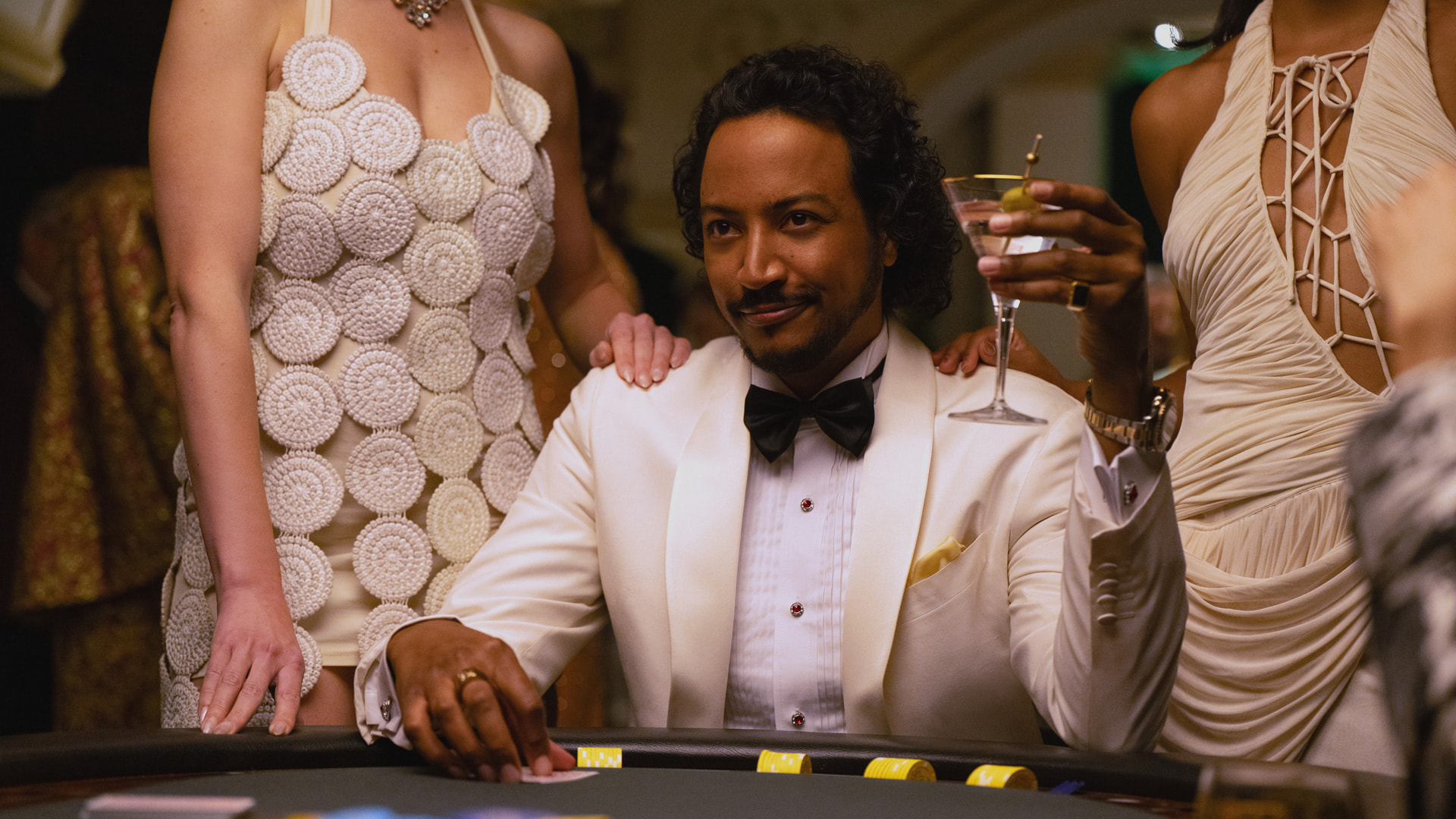
Episode 9 of Pluribus, titled “La Chica o El Mundo,” closes Season 1 with a finale that has divided viewers and critics alike. While many interpreted the series’ alignment mechanisms as malevolent, a closer reading of the episode suggests the so‑called Hive may function as an adaptive social technology rather than a purely evil force. This explanation reframes the show’s ethical inquiry from demonization toward interrogation of intent, consequence, and governance.

The series consistently foregrounds paperwork, ritualized greetings, and formal procedures as central mechanisms of social organization. In Episode 9 these elements are not simply sinister symbols but functional tools: ledgers, registration systems, and public ceremonies organize resources and reduce friction in crisis conditions. Viewers have noticed that the show treats these artifacts as operational, suggesting the Hive’s methods are designed to produce coordination rather than gratuitous domination.
Close examination of the episode reveals that many communal practices labeled as assimilation also deliver tangible benefits: predictable distribution, reduced violence, and clearer responsibilities. The camera lingers on administrative routines that appear bureaucratic but also supply stability. Interpreting these rituals solely as instruments of control overlooks their pragmatic utility in contexts of scarcity, where ad hoc systems can reduce harm even as they restrict freedom.

One of the central tensions in the finale is the difference between intent and outcome. Characters who implement alignment measures often justify them on grounds of survival and social order, and Episode 9 dramatizes the trade‑offs involved. The show asks whether an intervention that reduces immediate suffering can be judged purely by its coercive aspects when the alternative is chaos and preventable harm.
That ethical complexity complicates a simple villain‑hero dichotomy. Some individuals benefit materially and socially from the Hive’s mechanisms, while others experience loss of autonomy and identity. The narrative frames this distribution as politically charged rather than morally binary, implying that the question is not whether the Hive is good or evil but who designs its rules, who enforces them, and how accountability is distributed.

Episode 9 pivots the series toward questions of remediation and institutional reform. If the Hive functions as a social technology, then addressing its harms requires governance solutions—audits, tribunals, transparent protocols—not simply destruction. The finale stages public reckonings and procedural audits, emphasizing that repair must be institutional rather than purely insurgent.
The show thereby reframes responsibility as structural: the moral ledger includes those who devised and deployed systems, the actors who managed them, and the communities that negotiated compliance. Viewers are urged to consider mechanisms for oversight that can preserve the practical benefits of coordination while minimizing coercive effects. That route positions the TV show as a civic study more than a conventional horror tale.
Formally, the episode’s restrained aesthetics—muted palettes, close framing on documents, and subdued sound design—reinforce the argument that the real drama is procedural. The choice to present bureaucratic artifacts as focal objects invites forensic attention: audiences are meant to trace decisions through records and protocols rather than rely on sensational reveals. This stylistic discipline supports the interpretation that the Hive’s operation is engineered and thus subject to reform.
Critically, this reading does not absolve the Hive of responsibility for harms nor does it minimize the personal tragedies depicted in the series. Instead, it asks for a different scale of moral evaluation—one that considers collective trade‑offs, institutional design, and the long arc of reparative politics. Episode 9 uses individualized reckonings to illustrate systemic failures, suggesting that meaningful resolution requires structural change as much as personal atonement.
In closing, “La Chica o El Mundo” complicates the moral narrative by showing that what appears as malevolent assimilation may also be a technology of social ordering with real pragmatic benefits and significant ethical costs. The episode invites viewers to move beyond demonizing metaphors toward policy questions: Who governs coordination? How can systems be redesigned to protect autonomy while preserving stability? By reframing the Hive as a subject for governance rather than simple villainy, Pluribus positions itself as a serialized exploration of institutional responsibility and the difficult politics of repair on Apple TV.

Discussion around Pluribus has intensified since Season 1 concluded, with fans and commentators submitting theories that range from plausible...
Pluribus arrives as a deliberately paced, idea‑driven series that has polarized audiences and critics. The Apple TV show foregrounds...
For Pluribus, the Apple TV series from Vince Gilligan, production designers constructed an entire cul‑de‑sac in Albuquerque to serve...
Episode 5 of Pluribus, titled “Got Milk,” advances the season’s investigation of how scarce resources and information shape emerging...

© 2025 PLURIBUS SERIES | We are not affiliated with Apple TV+, our content is not official or endorsed by them in any way.