Breaking Bad 101
The Complete Critical Companion
The ultimate guide to the greatest show on television. Deep analysis, behind-the-scenes secrets, and exclusive insights.


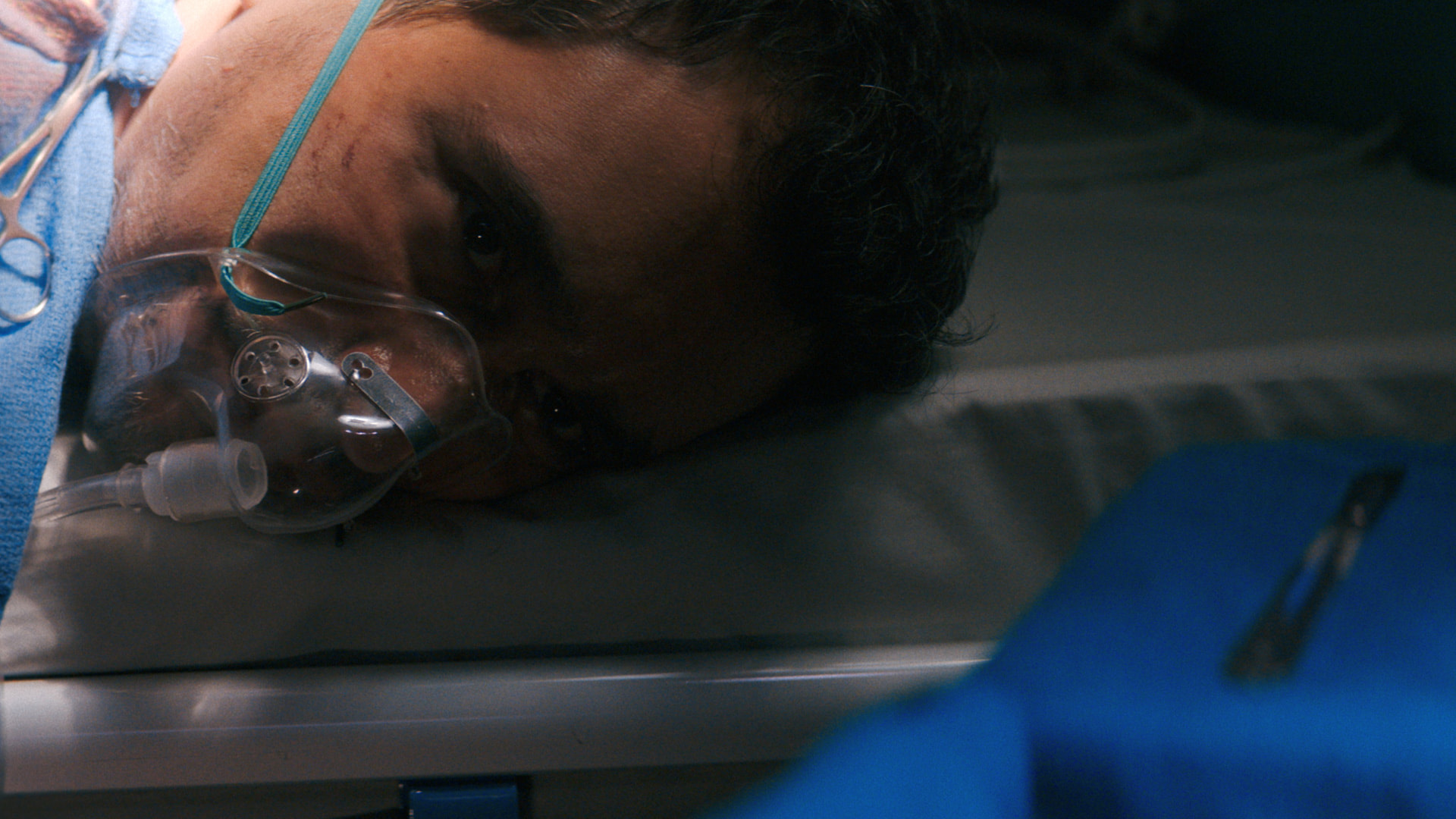
Pluribus has drawn acclaim not only for its narrative ambitions but also for its meticulous production design, earning industry recognition including ADG nominations. The Apple TV TV show relies on large‑scale exterior builds and carefully curated interiors to render a plausible post‑rupture environment. Production Designer Denise Pizzini and Set Decorator teams translated the series’ procedural thesis into a tactile, lived‑in world that supports both character work and thematic inquiry.
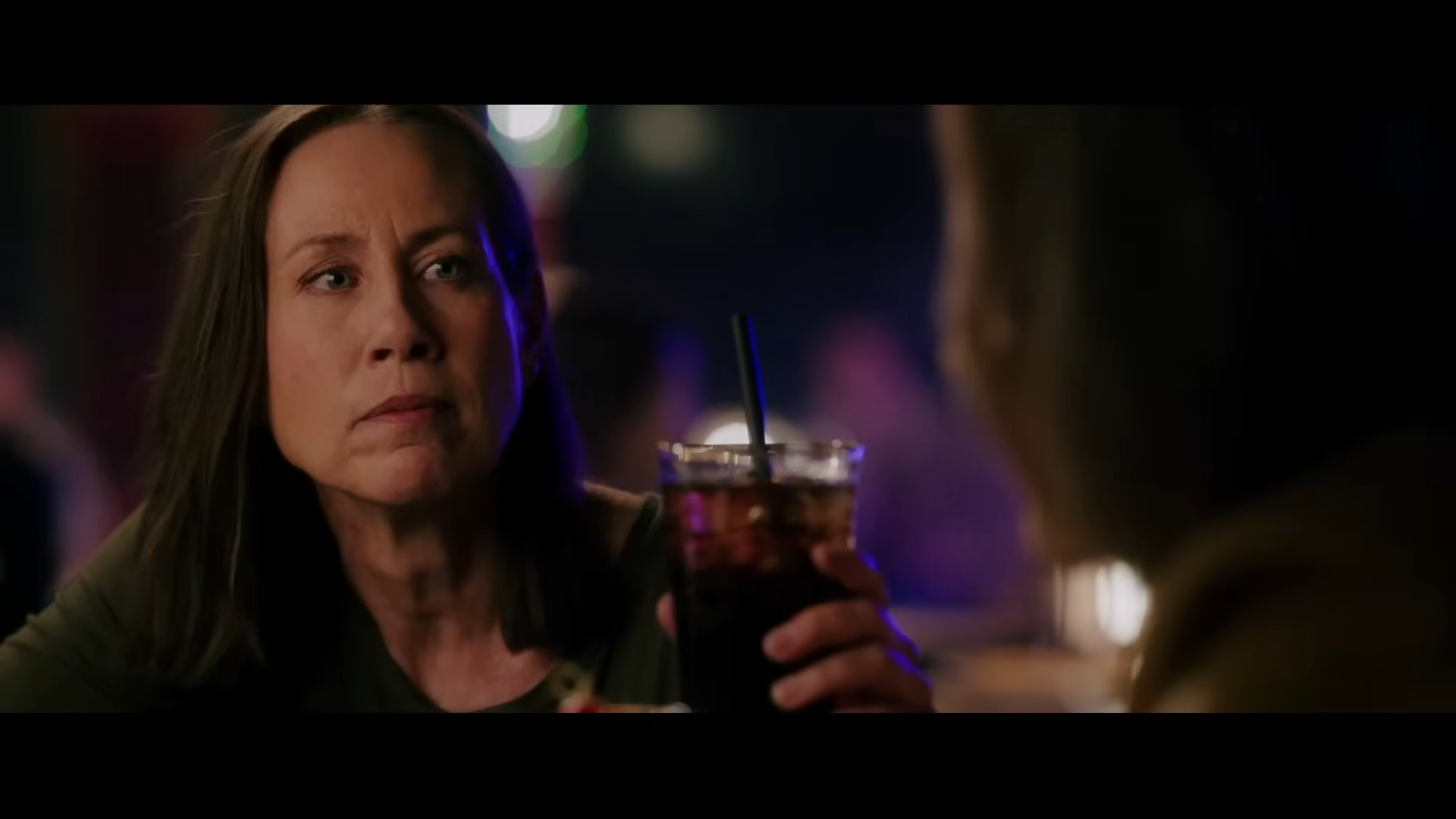
The series’ exterior environments were constructed to convey a society in slow reclamation rather than sudden collapse. Large‑scale practical builds—repurposed town centers, provisional checkpoints, and makeshift communal facilities—create a believable infrastructure of adaptation. These sites are not stylized ruins; they function as operational spaces where governance and daily life are visibly negotiated.
Production choices emphasize utility and workmanship: patched roofing, scaffolded façades, and weathered signage suggest ongoing maintenance and improvisation. Cinematography favors medium framing to keep these constructions human‑scaled, allowing viewers to read inscriptions, posted notices, and logistical markings as narrative evidence. The result is a world where architecture communicates policy as much as mood.

Interior sets are where the show’s procedural drama finds its physical proof. Offices, council rooms, and storage facilities are filled with ledgers, stamped forms, and filing systems treated as active props. These artifacts are designed to be legible on camera: paper aging, official seals, and handwritten annotations provide the visual grammar the series uses to link private decisions to public consequences.
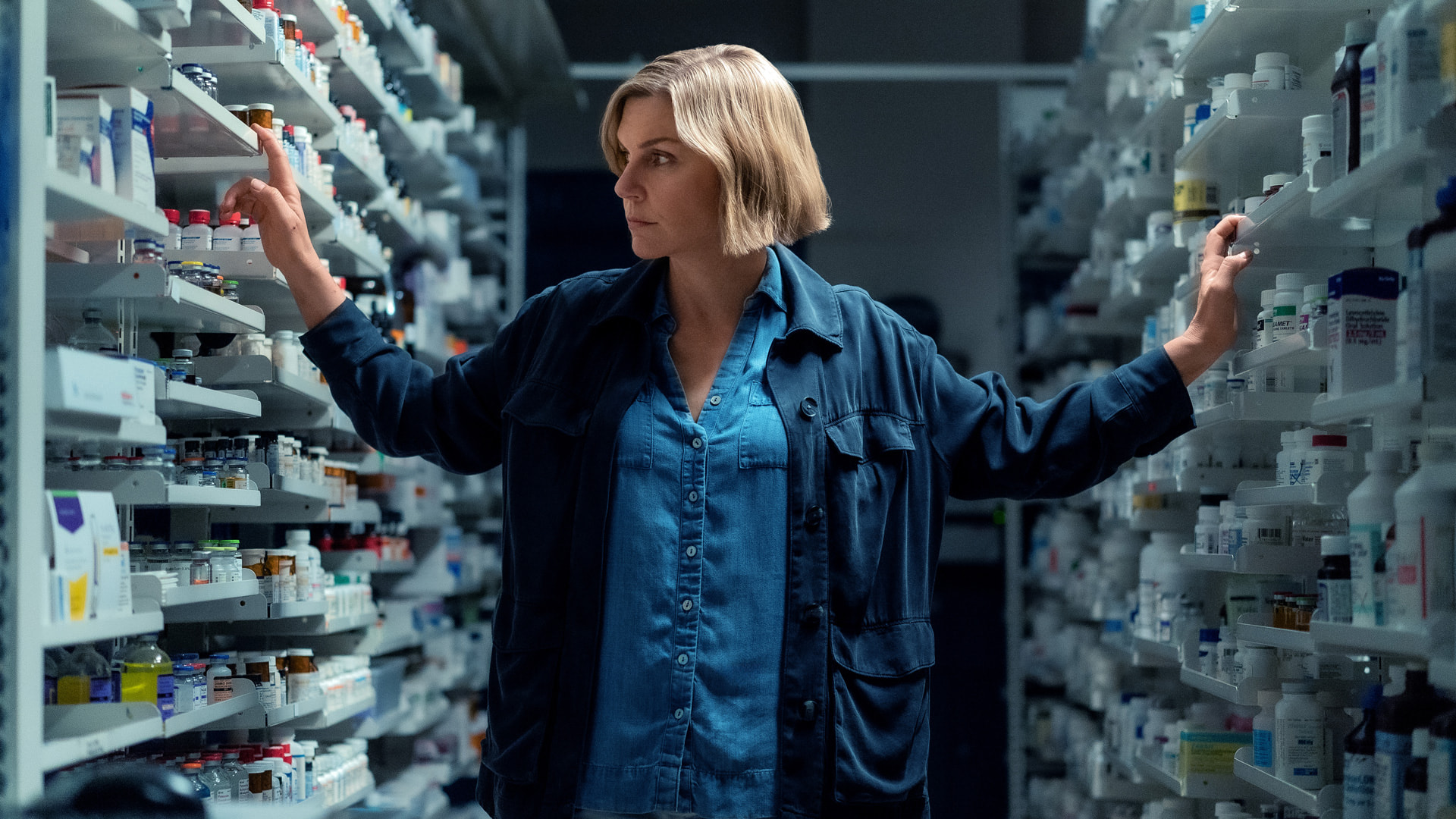
Set decoration privileges functionality over decoration: shelving systems, ration boards, and improvised workstations feel like the accretions of long‑term adaptation. Small touches—mismatched chairs, taped signage, and thermal cups—ground performances and allow actors to inhabit histories. Viewers and critics have noted that such specificity enables the show’s forensic storytelling approach, turning mundane objects into sources of dramatic evidence.
Props in Pluribus do more than populate scenes; they encode ritual and bureaucratic practice. Recurrent objects—registration cards, stamped authorizations, and communal noticeboards—function as signs of governance. The prop team coordinated closely with writers to ensure that these items could carry narrative weight; a single stamped form or repeated phrase can pivot a scene from intimacy to institutional scrutiny.
Sound and tactile considerations shaped prop fabrication. Materials were chosen for camera readability and for the subtle audio cues they produce on set—paper shuffling, rubber stamps, and metallic clips contribute to a sensory field that reinforces the show’s documentary feel. This integration of prop functionality with thematic intent is central to how the series stages bureaucracy as drama.
The design achievements in Pluribus reflect tight collaboration between production design, costume, cinematography, and direction. Costume choices echo the environmental logic of sets—practical layers, patched garments, and utilitarian accessories—that inform character movement and occupational identity. Camera blocking is choreographed to make sure that objects and gestures register clearly, aligning performance beats with material evidence.
That interdisciplinary coordination allowed actors to use the environment as a partner in performance. Directors often staged scenes so that actors would reference documents, consult lists, or enact rituals, making administrative detail an integral part of dramatic action. Fans have noticed that this technique makes ethical ambiguity feel embodied: decisions are not abstract but anchored to visible practice.
Ultimately, Pluribus’s production design operates as an argument about how societies reorganize under stress. The visual logic posits that governance is constructed through routine acts: paperwork, rituals, and the maintenance of infrastructure. By making these acts visible and legible, the design team converts speculative premise into civic drama, asking viewers to read systems the way detectives read clues.
The ADG nomination recognizes the discipline required to marry scale and detail: large exterior builds provide scope while interior minutiae supply narrative torque. For a TV show that privileges ethical complexity, production design is not merely background; it is the medium through which the series stages consequence, accountability, and the slow accrual of institutional power.
In closing, Pluribus demonstrates how thoughtful production design can elevate serialized storytelling. The Apple TV series uses architecture, props, and set dressing to render abstract political questions as concrete, readable situations. That material specificity undergirds the show’s thematic ambitions and makes its argument about governance and repair both persuasive and palpably human.

Discussion around Pluribus has intensified since Season 1 concluded, with fans and commentators submitting theories that range from plausible...
Pluribus arrives as a deliberately paced, idea‑driven series that has polarized audiences and critics. The Apple TV show foregrounds...
For Pluribus, the Apple TV series from Vince Gilligan, production designers constructed an entire cul‑de‑sac in Albuquerque to serve...
Episode 5 of Pluribus, titled “Got Milk,” advances the season’s investigation of how scarce resources and information shape emerging...

© 2025 PLURIBUS SERIES | We are not affiliated with Apple TV+, our content is not official or endorsed by them in any way.