Breaking Bad 101
The Complete Critical Companion
The ultimate guide to the greatest show on television. Deep analysis, behind-the-scenes secrets, and exclusive insights.


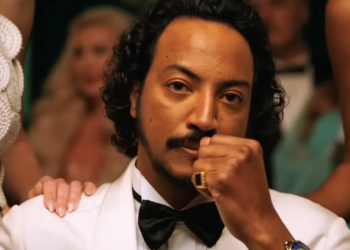
Theories about Koumba Diabaté’s Las Vegas storyline in Pluribus have evolved from hopeful escape to darker strategic interpretation. Rather than a genuine reward or sanctuary, the sequence may function as part of a collection strategy—an institutional process that absorbs people into a system under the guise of hospitality. This reading reframes earlier motifs of ritual and registration as instruments of acquisition rather than mere integration.

The series repeatedly frames certain settings with ritualized detail and archival artifacts—registration desks, stamped forms, and branded events—that reappear in multiple contexts. In the Vegas sequence, the mise‑en‑scène shifts from informal leisure to tightly choreographed hospitality, with repeated shots of signage, coordinated activities, and staff‑mediated interactions. Viewers have noticed that these visual motifs mirror earlier procedural images, suggesting continuity rather than escape.
Furthermore, edits in the sequence emphasize patterned behavior: synchronized cheers, repeated toasts, and recurrent audio motifs that match those used in communal sites back home. The recurrence functions as a form of continuity editing that aligns Koumba’s experience with systemic rituals rather than marking it as an exception. In narrative terms, the visual grammar implies that comforts offered in the new setting are calibrated to normalize belonging and condition response.
Performance detail is crucial to interpreting Koumba’s state. The show foregrounds micro‑gestures—timing of smiles, hesitation before acceptance, and patterned responses—that have previously signaled conditioned alignment. In the Vegas scenes, certain gestures that read as relaxed in isolation recur in group contexts and later resurface in administrative environments, which can be read as markers of conditioned accommodation rather than spontaneous contentment.
At the same time, the narrative preserves ambiguity about agency. Moments of private hesitation and fleeting expressions of unease punctuate public composure, complicating a straightforward reading of voluntary assimilation. The series deliberately positions characters in morally ambiguous spaces where consent is structurally constrained, making it difficult to categorize participation as purely willing or purely coerced.

Interpreting Koumba’s storyline as collection requires attention to institutional incentives and mechanisms. Pluribus has shown how bureaucratic artifacts—ledgers, registration protocols, and ritualized events—can be repurposed into instruments of governance. In a collection model, hospitality operates as a lure: material comfort, social status, and targeted provisions create differential benefits that encourage relocation or enrollment, which can then be formalized through registration and monitoring systems.
Operational mechanics could include staged privileges, preferential access to services, or identity‑based certifications that mark those who have been absorbed. Over time, those markers function administratively: eligibility lists, movement permissions, and resource allocations become contingent on enrollment. This procedural logic converts personal reward into systematic capture, and it explains why seemingly benevolent offers might carry long‑term costs for autonomy and mobility.
Politically, the collection hypothesis reframes culpability. If assimilation is engineered, responsibility shifts from individual households to designers of the system—planners, funders, and administrative actors. The series’ focus on distributed responsibility suggests that moral accounting must consider networks of decision‑making rather than seeking a single antagonist. That recalibration is a central tension in the show’s civic inquiry.
Finally, the harvest reading aligns with the program’s broader themes about information, ritual, and the ethics of repair. By showing how repeated gestures and bureaucratic practices accrue into social outcomes, Pluribus invites viewers to see how consent can be manufactured through design, not only through force. Whether Koumba is truly free or quietly collected matters not only for his character arc but for the series’ examination of how institutions shape human fate.
In closing, the interpretation that Koumba is being harvested rather than converted offers a coherent lens for the Vegas storyline and ties it to the series’ procedural motifs. The reading emphasizes institutional tactics—symbolic integration, administrative markers, and incentive structures—that can transform hospitality into a mechanism of capture. As the narrative unfolds, attention to documentary artifacts and performance micro‑details will be key to evaluating whether collection or genuine refuge is the operative logic in Pluribus.

Discussion around Pluribus has intensified since Season 1 concluded, with fans and commentators submitting theories that range from plausible...
Pluribus arrives as a deliberately paced, idea‑driven series that has polarized audiences and critics. The Apple TV show foregrounds...
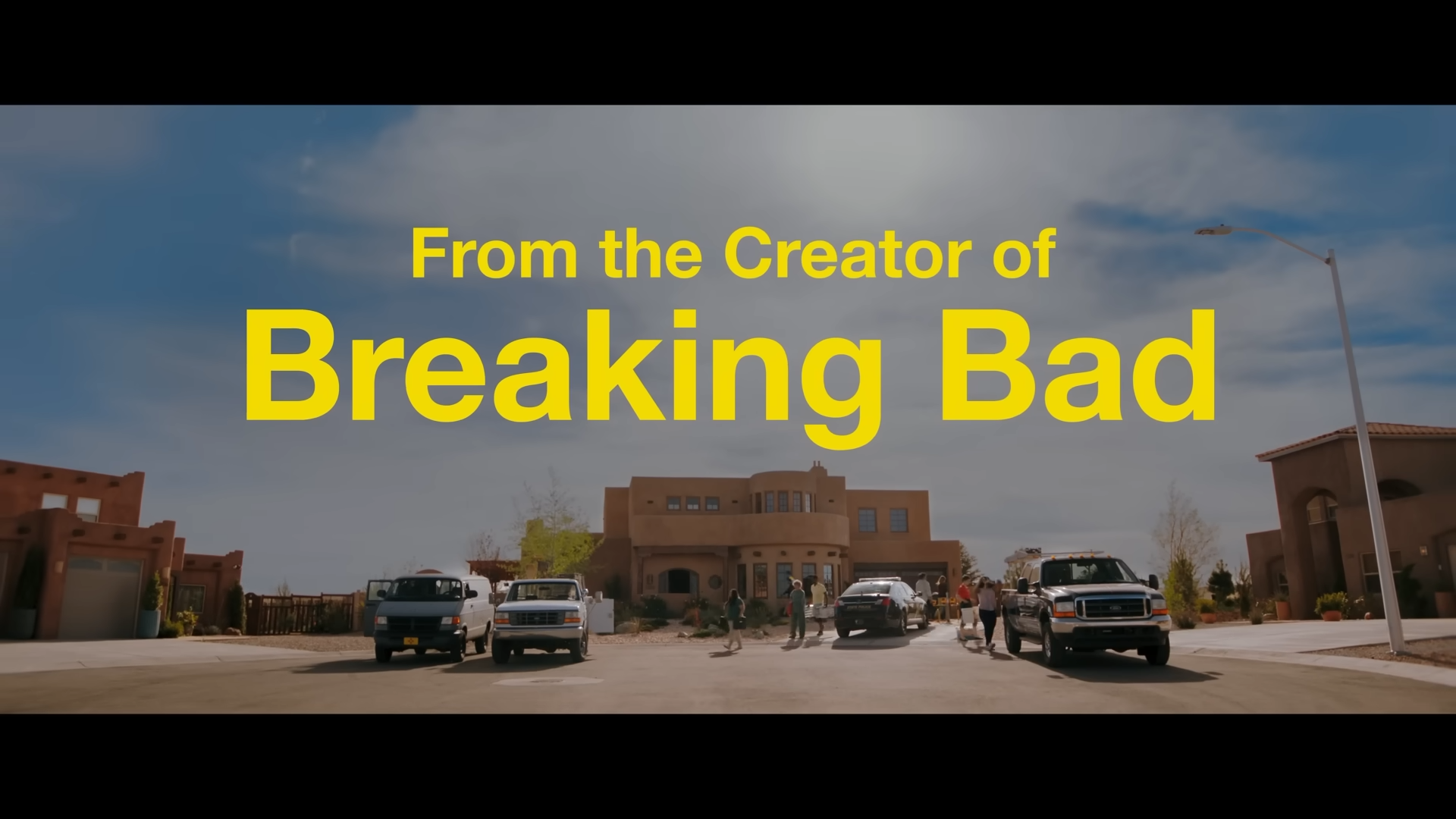
For Pluribus, the Apple TV series from Vince Gilligan, production designers constructed an entire cul‑de‑sac in Albuquerque to serve...
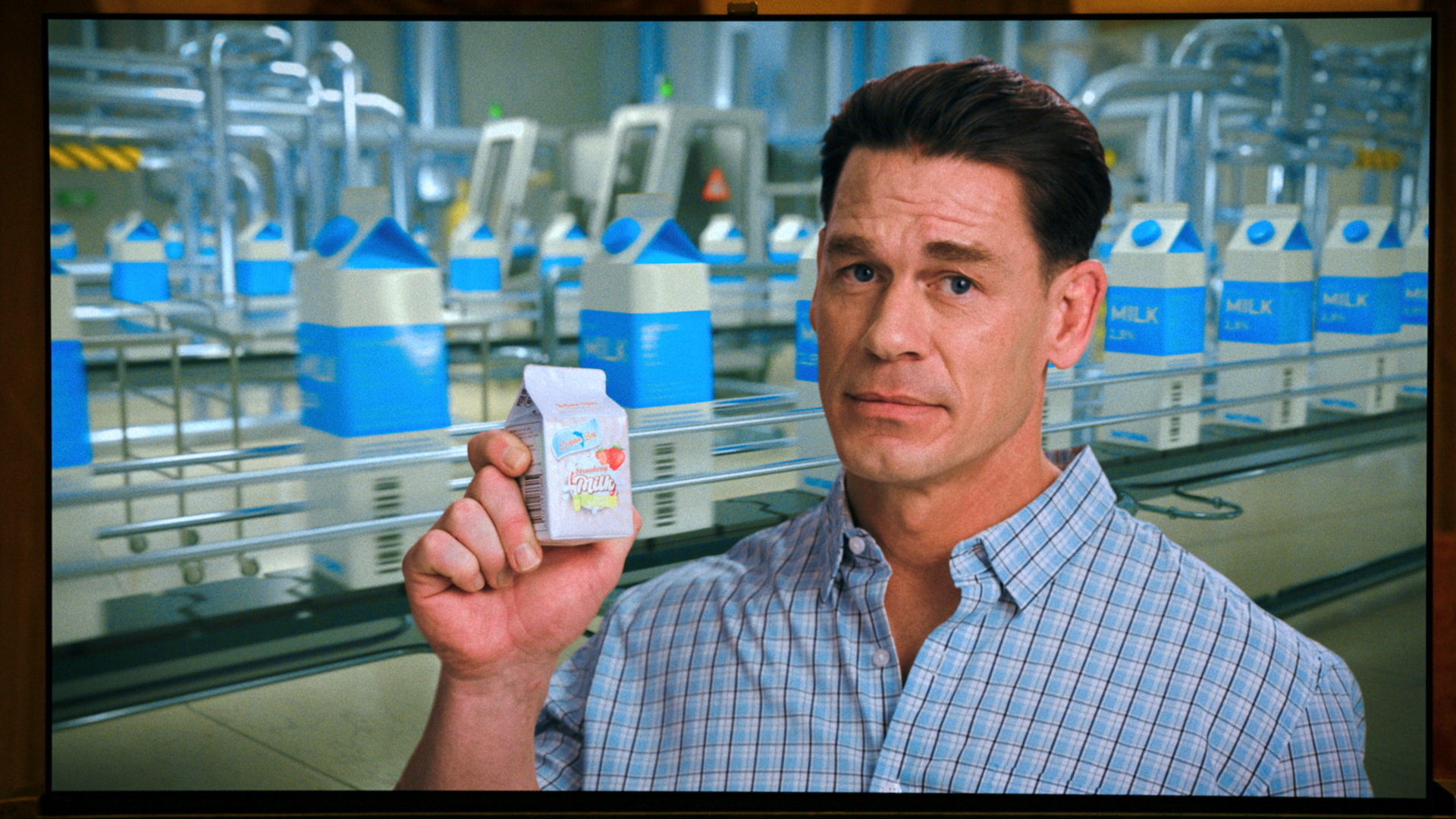
Episode 5 of Pluribus, titled “Got Milk,” advances the season’s investigation of how scarce resources and information shape emerging...

© 2025 PLURIBUS SERIES | We are not affiliated with Apple TV+, our content is not official or endorsed by them in any way.