Breaking Bad 101
The Complete Critical Companion
The ultimate guide to the greatest show on television. Deep analysis, behind-the-scenes secrets, and exclusive insights.


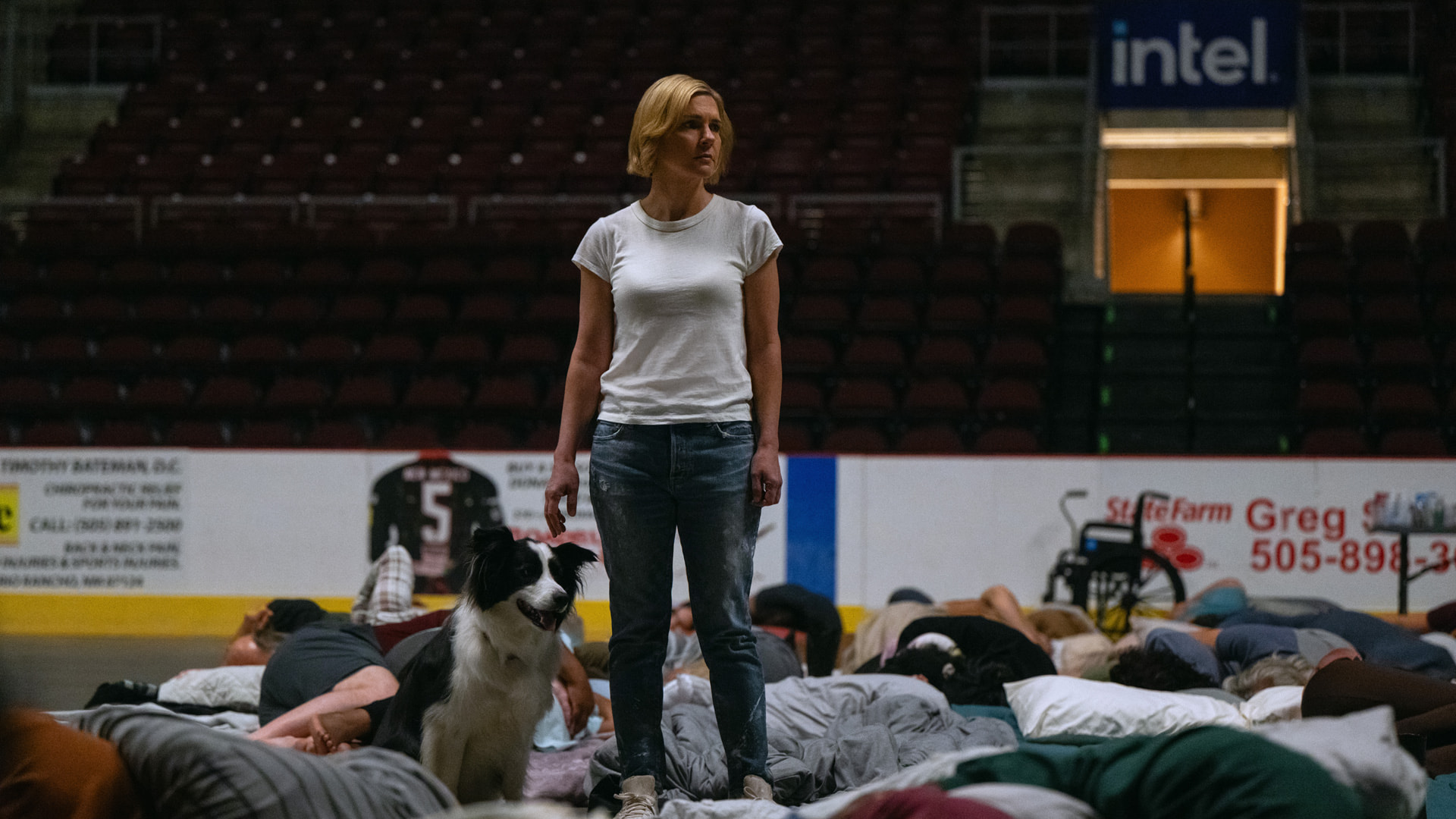
Pluribus Season 2 appears poised to recontextualize a pivotal moment from the first season by elaborating on the atom‑related revelation tied to Carol’s arc. Early indications from trailers and cast interviews suggest the creative team will treat that discovery not as a singular plot twist but as the opening of a broader political and ethical inquiry. The shift promises to expand the TV show’s focus from local administrative mechanics to questions of provenance, culpability, and technological legacy.
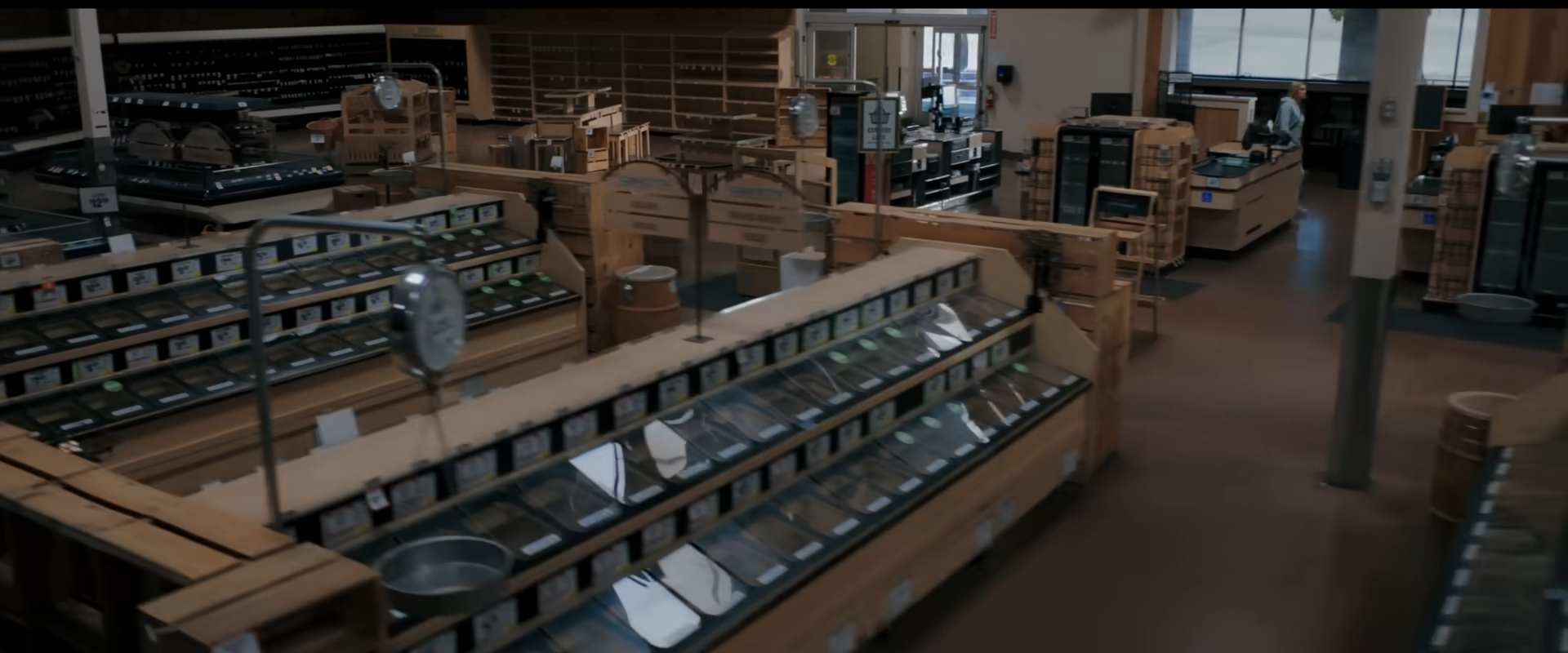
Season 1 built suspense through documentary‑style artifacts—ledgers, registration forms, and ritualized practices—that functioned as narrative evidence. The atom revelation reframes those artifacts by linking administrative traces to concrete technologies and infrastructures. Thus, the series transitions from asking “what caused alignment?” to interrogating who designed and deployed high‑risk systems and why they were allowed to persist.
This reframing shifts the narrative logic from interpretive forensics to archival excavation. Where earlier episodes staged council meetings and ration boards as primary drama engines, Season 2 will likely foreground technical records, procurement chains, and facility schematics. Those materials serve a dual function: they clarify causality and implicate institutions that previously appeared neutral or incalculable. In practical terms, the show’s camera is as likely to linger on blueprints and procurement invoices as on ledger entries.
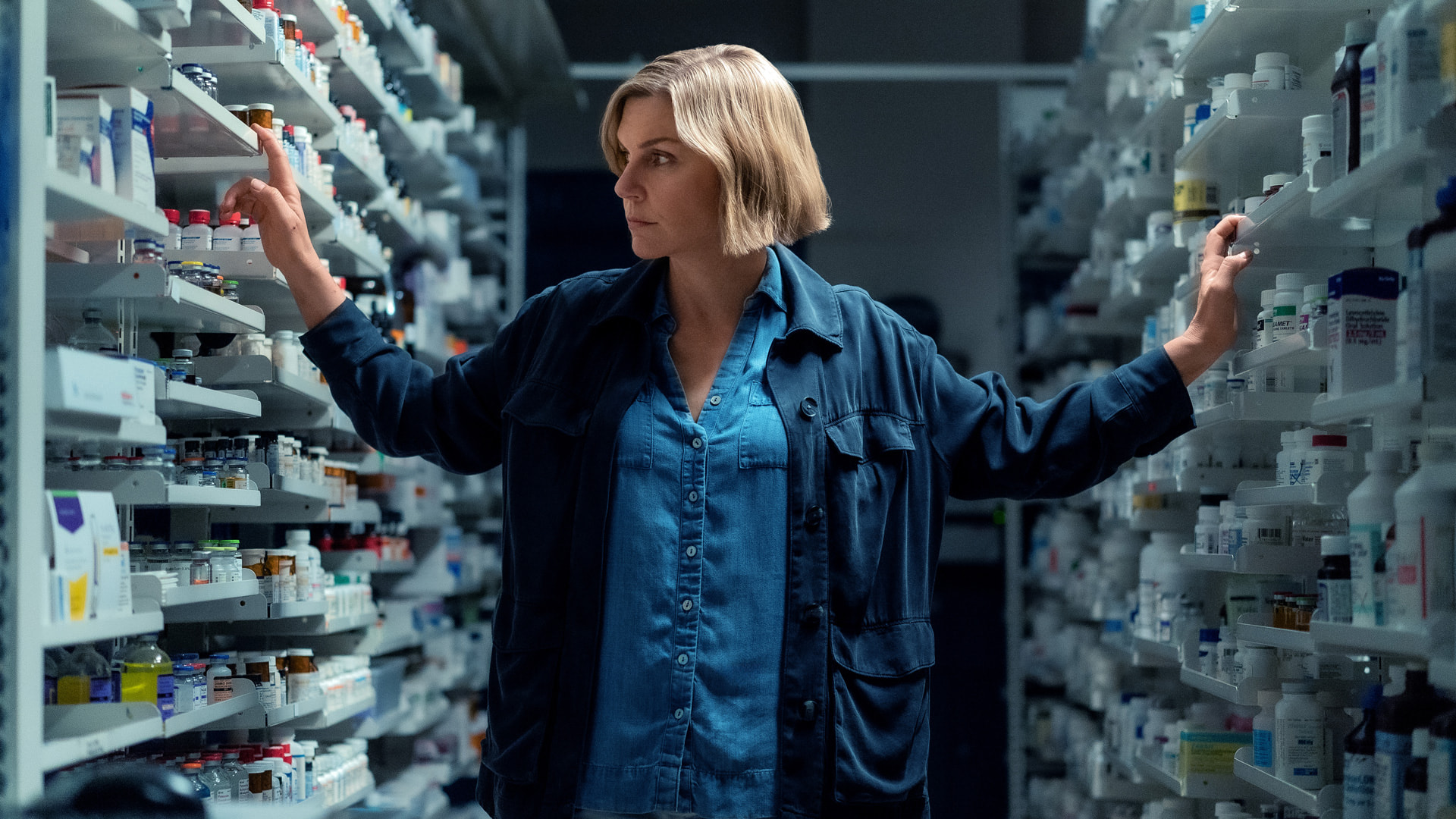
Tying an atom‑related device to the show’s central mystery has direct consequences for character accountability. Protagonists who made pragmatic administrative choices now face the possibility that those choices were situated within or enabled by a much larger technological apparatus. The series’ tendency to distribute responsibility across networks makes such revelations ethically complex rather than reductively accusatory.
For Carol in particular, the atom twist reframes prior actions and alliances as part of a moral ledger with ripple effects. The narrative will likely dramatize how personal decisions, intended to protect a community, can be retroactively reclassified as complicity when placed within a technological provenance. The show will therefore be required to stage nuanced reckonings—legal, social, and emotional—rather than offering simple redemption or condemnation.
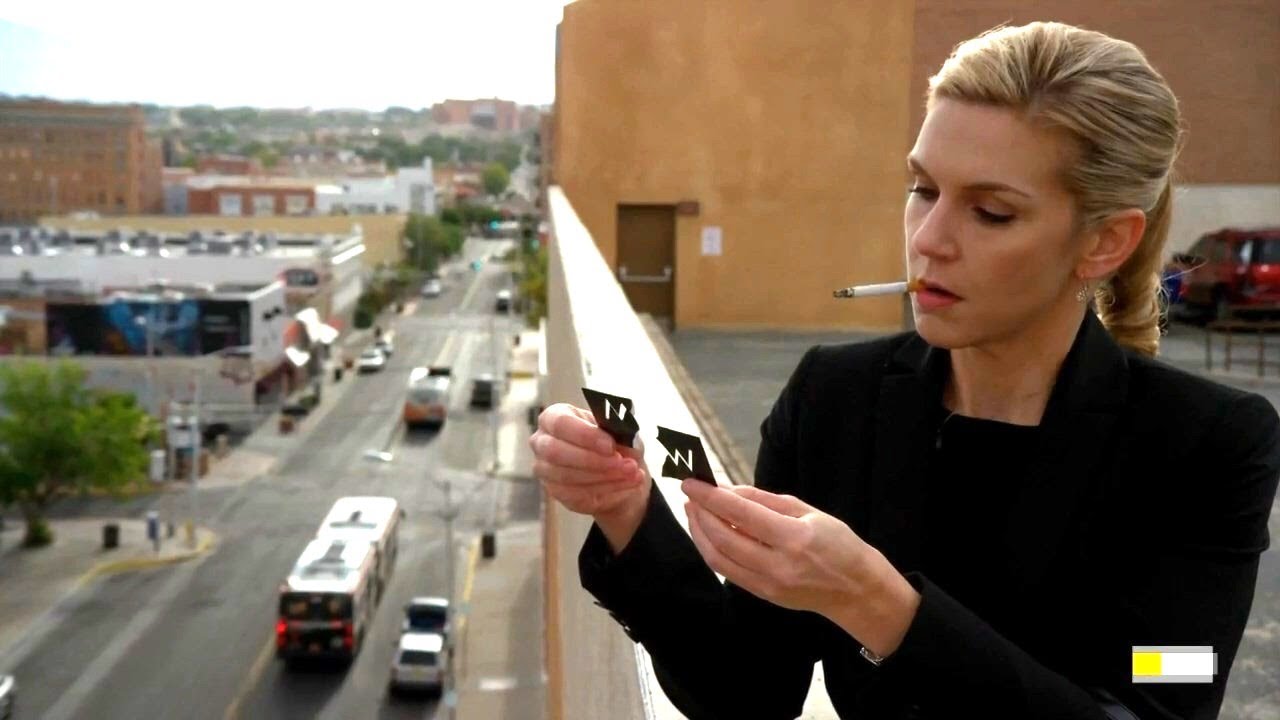
Introducing an atom‑related element escalates Pluribus’s political stakes by expanding the sphere of inquiry beyond local governance. The presence of potentially military‑grade technology implicates state actors, corporate contractors, and archival secrecy, transforming the narrative into a study of institutional opacity and the politics of remediation. Viewers should expect plotlines that investigate who benefited from the technology, who profited from its concealment, and how reparative mechanisms might be constrained by geopolitical interests.
Remediation narratives will pose difficult trade‑offs. Technical fixes—decommissioning, public disclosure, or counter‑technologies—carry distributional consequences and political risk. The series is likely to dramatize competing priorities: the need for transparency and accountability versus the risk of exacerbating harm through disclosure or misapplied interventions. That tension positions the show to interrogate not only the origins of harm but the viability of institutional repair in a compromised landscape.
Formally, Season 2 faces the challenge of integrating global scope with the series’ established intimacy. The show’s strength has been its documentary texture and attention to small, consequential acts. Expanding to geopolitical questions requires maintaining that granular focus—tracing procurement stamps, archival memos, and personal testimonies—while situating these traces within wider political networks. If successful, the series can preserve its moral specificity even as it explores systemic causes.
Industry context matters as well: the Apple TV platform’s backing and the creative team’s auteurial credentials grant the series the production resources to handle such an escalation plausibly. Critics will watch how the show balances forensic rigor with narrative momentum—whether Season 2 delivers explanatory clarity or multiplies ambiguity in service of thematic depth. Either path will test the show’s ability to treat technological culpability without collapsing into techno‑determinism.
In closing, the atom bomb revelation offers Pluribus a chance to extend its ethical inquiry from procedural micro‑dilemmas to the macro politics of technological legacy. The shift foregrounds provenance, institutional responsibility, and contested remediation, reframing earlier pragmatic compromises as elements of a larger system. For viewers invested in the series’ civic and moral questions, Season 2 promises to transform a singular twist into a profound interrogation of how societies build, hide, and reckon with dangerous technologies.

Discussion around Pluribus has intensified since Season 1 concluded, with fans and commentators submitting theories that range from plausible...
Pluribus arrives as a deliberately paced, idea‑driven series that has polarized audiences and critics. The Apple TV show foregrounds...
For Pluribus, the Apple TV series from Vince Gilligan, production designers constructed an entire cul‑de‑sac in Albuquerque to serve...
Episode 5 of Pluribus, titled “Got Milk,” advances the season’s investigation of how scarce resources and information shape emerging...

© 2025 PLURIBUS SERIES | We are not affiliated with Apple TV+, our content is not official or endorsed by them in any way.