Breaking Bad 101
The Complete Critical Companion
The ultimate guide to the greatest show on television. Deep analysis, behind-the-scenes secrets, and exclusive insights.


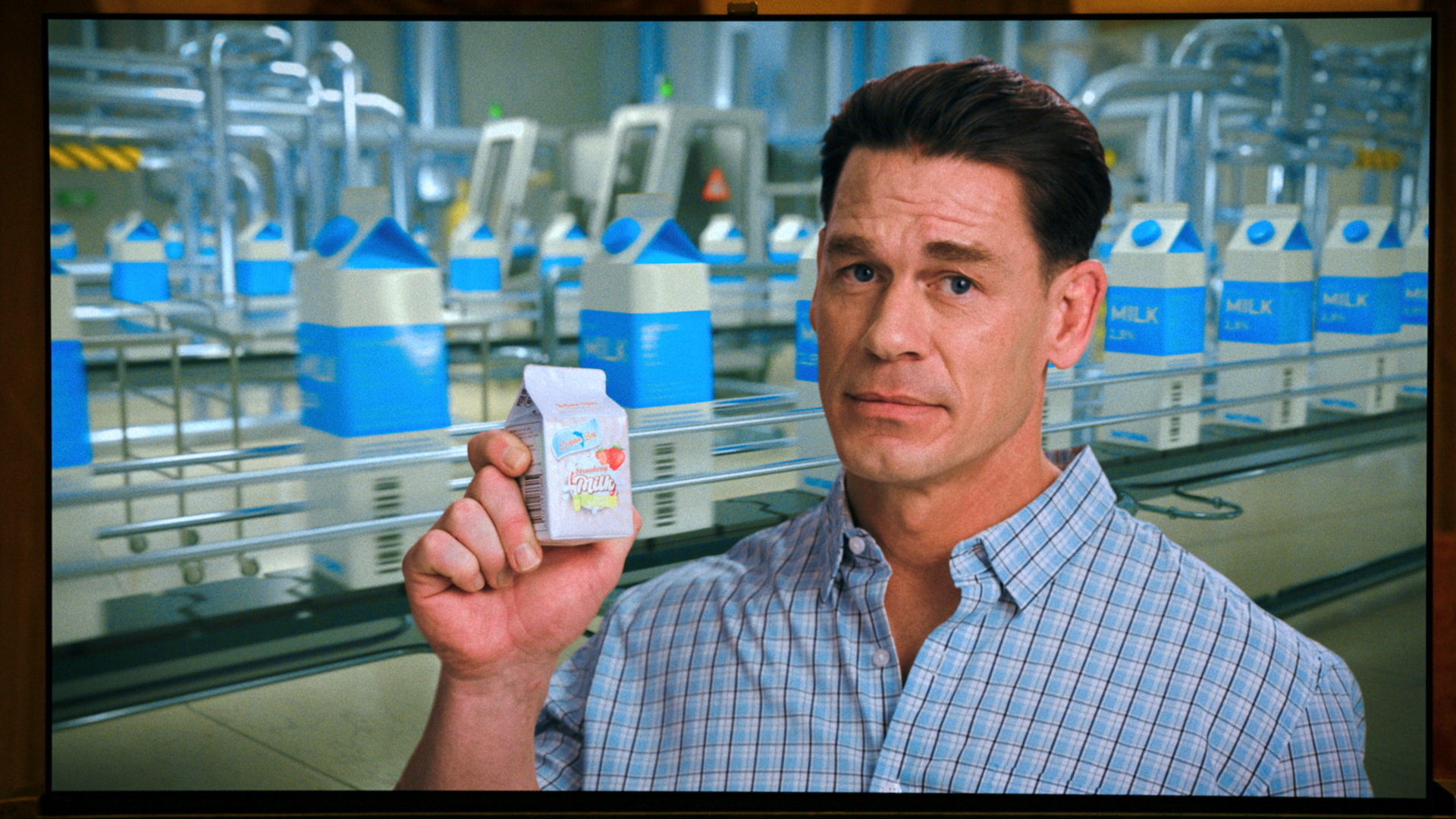
Pluribus, the new series from Vince Gilligan, arrives as a deliberate, slow‑burn addition to the prestige television landscape. The show constructs a speculative premise around social synchronization and institutional design, prioritizing procedure and moral consequence over spectacle. Viewers familiar with Gilligan’s narrative economy will recognize the focus on small choices that produce large social effects, and the Apple TV TV show uses that method to interrogate governance and consent.

The series builds its world primarily through administrative artifacts—ledgers, registration forms, and ritualized public practices—that function as narrative evidence rather than decorative elements. Close framings of paperwork and repeated ritual motifs establish a documentary grammar: the camera treats these objects as clues for viewers to decode. This approach turns mundane bureaucracy into dramatic engine and compels audiences to read institutional detail as part of the plot.
Production design reinforces this formal decision. Muted palettes, repurposed props, and pragmatic interiors create a tactile environment that supports the show’s plausibility. Sound design and editing frequently emphasize ambient textures and recurring refrains, making sonic patterns part of the serial structure. Together, these choices make the world feel lived in and underscore the series’ thesis that governance is enacted in everyday routines.

At the heart of the show is an ensemble whose moral arcs are defined by incremental compromises rather than sudden transformations. Central characters make pragmatic choices—rationing decisions, selective disclosures, enforcement measures—that later return as liabilities. The narrative distributes culpability across networks, so ethical assessment requires attention to institutional context as much as to individual intent.
Performances are calibrated to that ethical subtlety. Actors convey history and calculation through micro‑behaviors—hesitations, calibrations of tone, and small gestures—so that silence often carries more meaning than speech. Viewers who track these details will find that the series rewards careful observation: seemingly minor acts in early episodes often acquire evidentiary force in later confrontations and council hearings.
Pluribus sets out to interrogate the politics of coordination, exploring how language, ritual, and procedure can be used to produce aligned behavior. The show reframes the central mystery from “what caused this?” to “who designed the mechanisms, and to what ends?” That thematic shift allows the series to engage contemporary anxieties about information architecture, social signaling, and institutional accountability.
However, the same ambition introduces narrative risks. The patient pacing and refusal to supply immediate answers can alienate viewers seeking faster payoff. Critics have pointed out that the show’s method rewards sustained attention and repeat viewing, but that strategy may limit mainstream appeal. The storytelling trade‑off—depth and ambiguity versus clarity and momentum—is a conscious one, and its success depends on the audience’s tolerance for serialized, puzzle‑oriented drama.
In formal terms, the program’s restraint is a virtue: Gilligan’s team uses production craft to make the ordinary feel consequential. Yet viewers should anticipate that revelations will often reframe rather than resolve earlier scenes, requiring an interpretive investment uncommon in more plot‑driven genre fare. The show’s payoff is cumulative, and patience is integral to appreciation.
Pluribus stands as a distinct proposition in the current TV landscape: it is a speculative drama that thinks institutionally, treating governance as the site of suspense. The Apple TV series asks difficult questions about legitimacy, transparency, and the moral cost of stability, using serialized form to model how small procedural choices can change collective life. For audiences attuned to ethical complexity and procedural intrigue, the show offers rich material for discussion and analysis.
Ultimately, Pluribus will be judged on whether its patient, procedural approach yields meaningful thematic and emotional payoff. The series’ strengths—textured worldbuilding, ensemble subtlety, and a willingness to interrogate systems—mark it as a significant, if polarizing, addition to Gilligan’s oeuvre. Fans of serialized moral inquiry will find the TV show rewarding; those seeking immediate narrative gratification may need to adjust expectations to appreciate its long‑game ambitions.

Discussion around Pluribus has intensified since Season 1 concluded, with fans and commentators submitting theories that range from plausible...
Pluribus arrives as a deliberately paced, idea‑driven series that has polarized audiences and critics. The Apple TV show foregrounds...
For Pluribus, the Apple TV series from Vince Gilligan, production designers constructed an entire cul‑de‑sac in Albuquerque to serve...
Episode 5 of Pluribus, titled “Got Milk,” advances the season’s investigation of how scarce resources and information shape emerging...

© 2025 PLURIBUS SERIES | We are not affiliated with Apple TV+, our content is not official or endorsed by them in any way.