Breaking Bad 101
The Complete Critical Companion
The ultimate guide to the greatest show on television. Deep analysis, behind-the-scenes secrets, and exclusive insights.


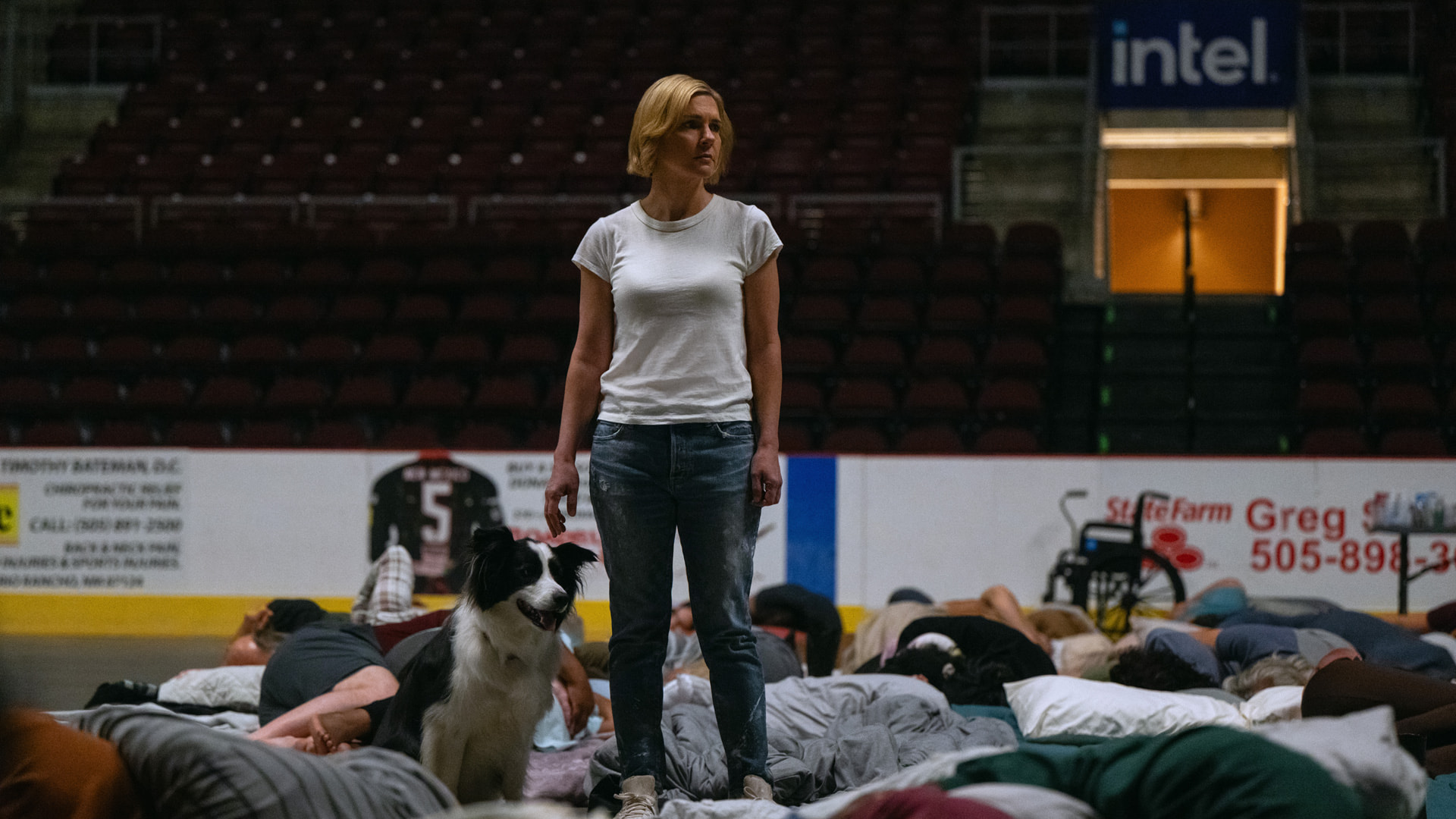
Speculation about Pluribus has intensified as viewers sift through visual motifs and procedural clues embedded across Season 1. Among fan theories—some more outlandish than others—certain recurrent elements suggest the series is less about a single monstrous cause and more about institutional design and moral compromise. The Apple TV TV show rewards close reading, and debates about its hidden meanings reflect the series’ thematic ambition.
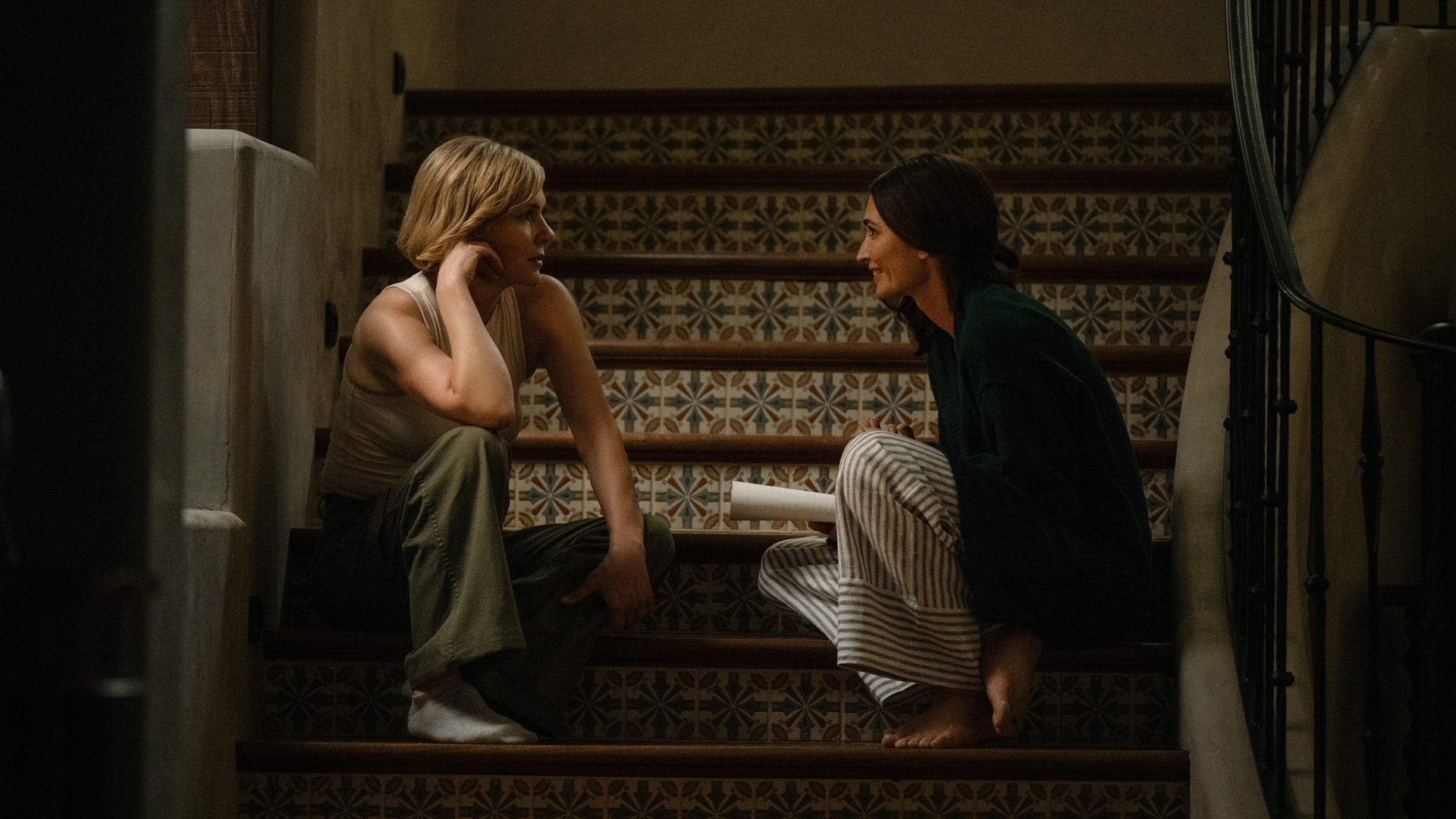
The series places a premium on material artifacts—ledgers, registration desks, and ritualized signage—that function as narrative evidence rather than mere set dressing. These items recur in tight framing, and their repetition invites viewers to treat them as clues. As a result, fan communities have catalogued visual echoes that appear across episodes, using them to construct theories about structure, motive, and control.
Sound design and recurring refrains also contribute to interpretive frameworks. Subtle audio motifs precede moments of synchronized behavior, suggesting a feed‑and‑response dynamic. Viewers parsing these cues argue that the program constructs alignment through communicative mechanisms, and that such mechanisms are more plausibly human‑designed than supernatural. This analytic approach to mise‑en‑scène reshapes discussion from sensational claims to systemic reading.
Some fan theories swing toward the lurid—cannibalism, conspiratorial cabals, or extraterrestrial causation—based on fragmentary images or suggestive dialogue. The more sensational claims generate engagement but risk obscuring the show’s demonstrable concerns: governance, legitimacy, and the ethics of repair. Critics and careful viewers tend to privilege theories that account for recurring administrative detail and for the series’ emphasis on procedural consequence.
The show’s creators have deliberately cultivated ambiguity, using withheld information as a stylistic choice that fuels speculation. That decision encourages multiple readings, but it also calls for methodological restraint: the most durable interpretations track narrative patterns across episodes and connect aesthetic choices to thematic intent. Fans who foreground documentary artifacts and institutional logic are more likely to arrive at interpretations consistent with the series’ dramatic architecture.

Pluribus repeatedly dramatizes administrative action—who orders supplies, how councils adjudicate disputes, and which routines are enforced—as the source of social order. These scenes suggest that the series sees alignment as produced through design rather than through an exogenous virus or singular monstrous agency. Interpreting the show through this institutional lens explains why small acts carry outsized ethical consequences in later episodes.
Moreover, the narrative’s pattern of distributing responsibility across networks of actors supports readings that emphasize systems. Characters who perform routine administrative labor—clerks, patrol leaders, council members—become nodes in a larger machine of alignment. As the season progresses, the accumulation of minor procedural choices produces structural outcomes, making institutional analysis a productive framework for understanding the series’ stakes.
That is not to say the show lacks dramatic peril; rather, its threats are embedded in social design, which can be harder to dramatize but more consequential in the long run. Fans who anticipated spectacular horror may feel disappointed, but viewers attuned to serialized political drama will find the series’ quiet mechanics richly rewarding.
In practical terms, interpreting Pluribus as a study of governance yields testable predictions for future episodes: expect increased focus on disclosure, audits, and contested reforms, and anticipate plotlines that examine who benefits from particular procedural architectures. Such predictions are grounded in observable patterns and can be evaluated against subsequent narrative developments.
Finally, the cultural appetite for sensational explanations—whether about cannibalistic rituals or shadow cabals—speaks to broader viewer practices in the streaming era. Social media encourages rapid, viral takes, but the most enduring critical conversations tend to privilege close attention and evidentiary grounding. Pluribus rewards the latter approach, and its slow‑burn strategy is likely to sustain interpretive labor into subsequent seasons.
In closing, while provocative theories will doubtless continue to circulate, the most compelling readings of Pluribus situate its mysteries within institutional and communicative frameworks. The Apple TV TV show constructs alignment through ritual and administration, and those mechanisms explain more about its ethical stakes than sensationalist explanations. For viewers invested in the series, the task is less to find a single monstrous cause than to trace the procedures that produce—and might one day repair—collective harm.

At PaleyFest NY 2025, creators and cast of Pluribus discussed the show’s development, revealing that a central role was...
Pluribus concludes its inaugural season with Episode 9, “La Chica o El Mundo,” an ending that reframes earlier narrative...
Discussion around Pluribus has intensified since Season 1 concluded, with fans and commentators submitting theories that range from plausible...
Pluribus arrives as a deliberately paced, idea‑driven series that has polarized audiences and critics. The Apple TV show foregrounds...

© 2025 PLURIBUS SERIES | We are not affiliated with Apple TV+, our content is not official or endorsed by them in any way.