Breaking Bad 101
The Complete Critical Companion
The ultimate guide to the greatest show on television. Deep analysis, behind-the-scenes secrets, and exclusive insights.


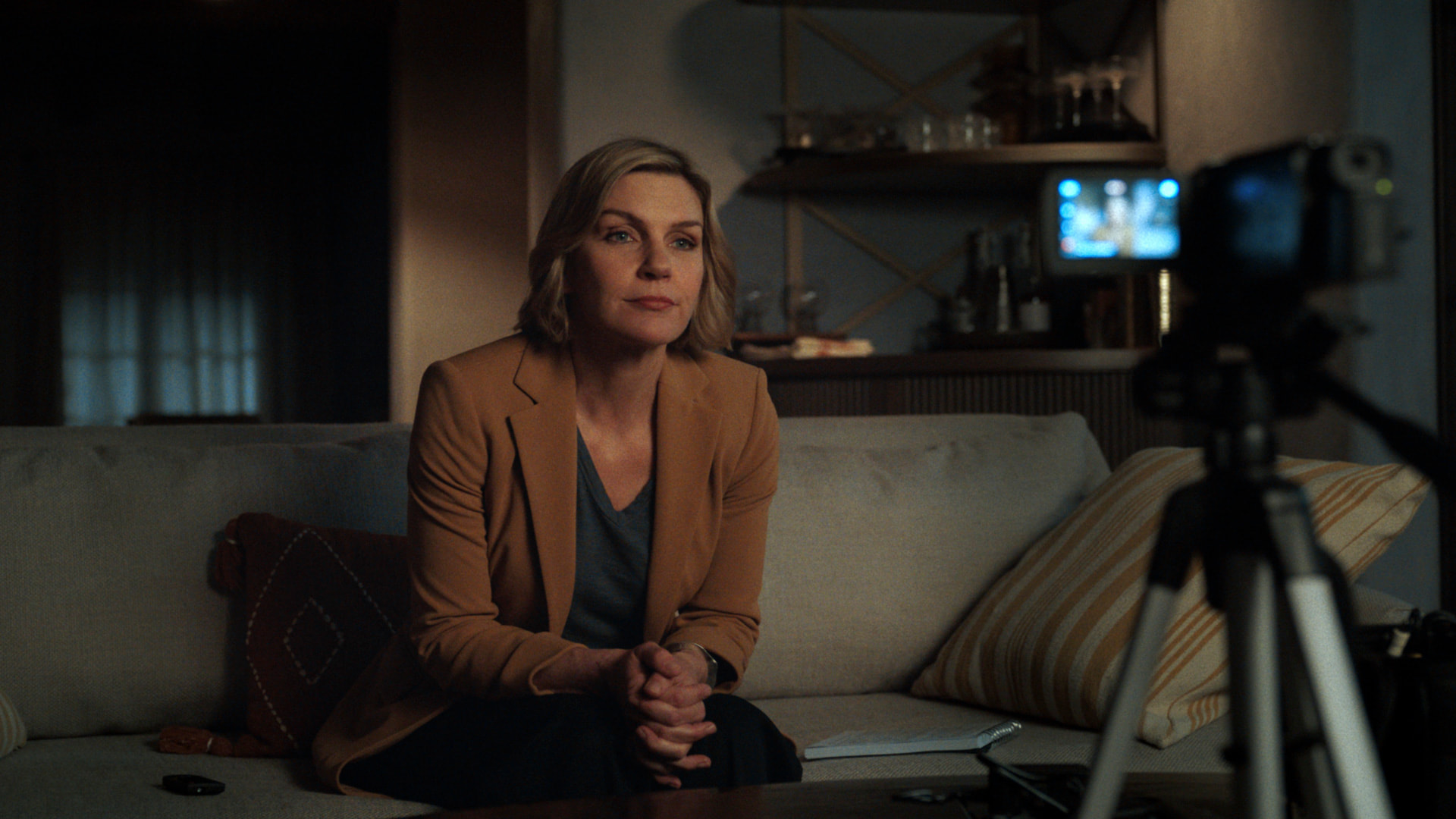
Speculation is mounting that Pluribus Season 2 may escalate into what some fans call an “immune civil war,” a conflict centered on who is deemed compatible with the series’ alignment mechanisms. The hypothesis foregrounds characters like Koumba and Laxmi as potential architects or catalysts of factionalization. This development reframes the show’s procedural focus into an explicitly political contest over bodies, rights, and governance.
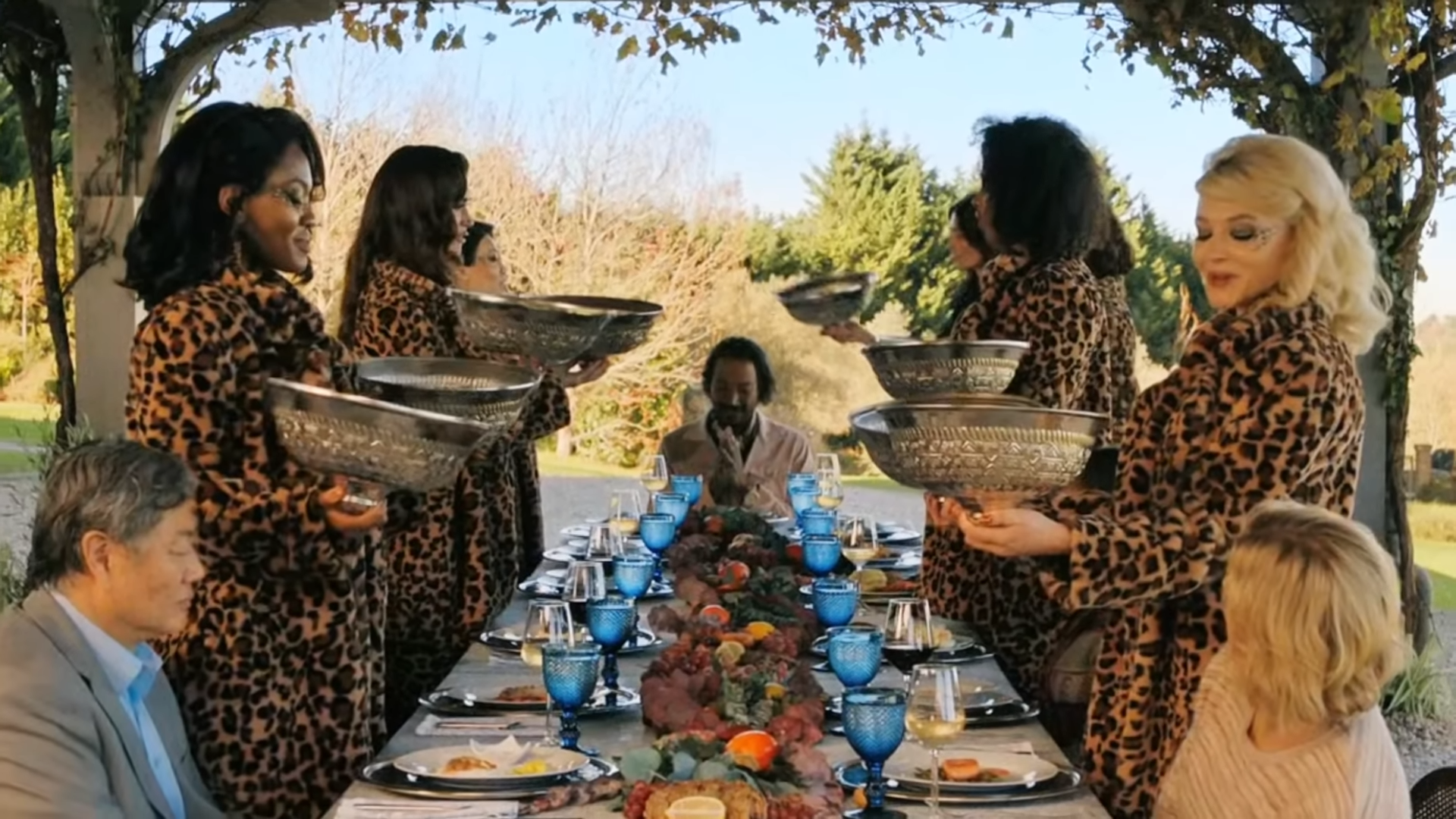
The first season repeatedly dramatized how institutional practices—ration boards, registration protocols, and ritualized greetings—produce patterns of inclusion and exclusion. Those artifacts functioned as both administrative tools and symbolic markers, creating categories that could be weaponized. Viewers have noticed that the show seeded visible distinctions early on, such as differential access to resources and formalized lists that create second‑class statuses.
Beyond material markers, the series used language and ritual to synchronize groups, a mechanism that could readily be repurposed into factional identity. Recurrent refrains, coordinated ceremonies, and public enforcement practices performed alignment as much as they enacted it. This communicative architecture provides a plausible scaffolding for a civil conflict in which competing authorities claim legitimacy through competing criteria of membership.
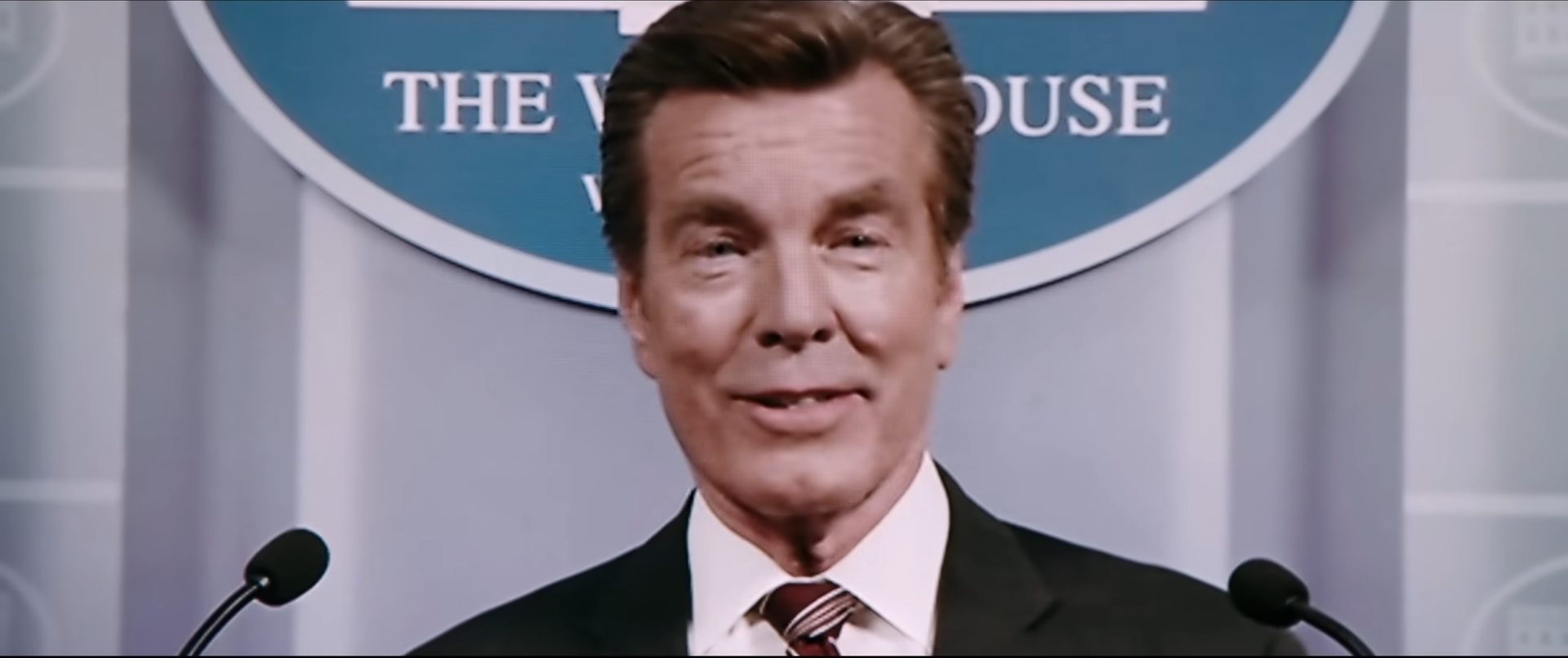
Koumba’s trajectory—especially in sequences suggesting adaptation to alternative environments—has provoked debate about whether he is a genuine convert or a strategic agent. If Koumba functions as an intermediary who can bridge camps, his role could be pivotal in mobilizing a faction that claims immunity or preferential status. The show’s narrative logic often rewards ambiguous actors who operate across institutional boundaries, making him a credible pivot for escalation.
Laxmi and other secondary figures also embody different rationalities about repair and authority. Some characters prioritize security and standardized alignment while others emphasize autonomy and transparency. Those conflicting priorities can harden into political platforms when resources are scarce and reputational capital becomes transferable. The TV show’s ensemble structure allows emergent leaders to consolidate power through procedural competence as much as through rhetorical charisma.
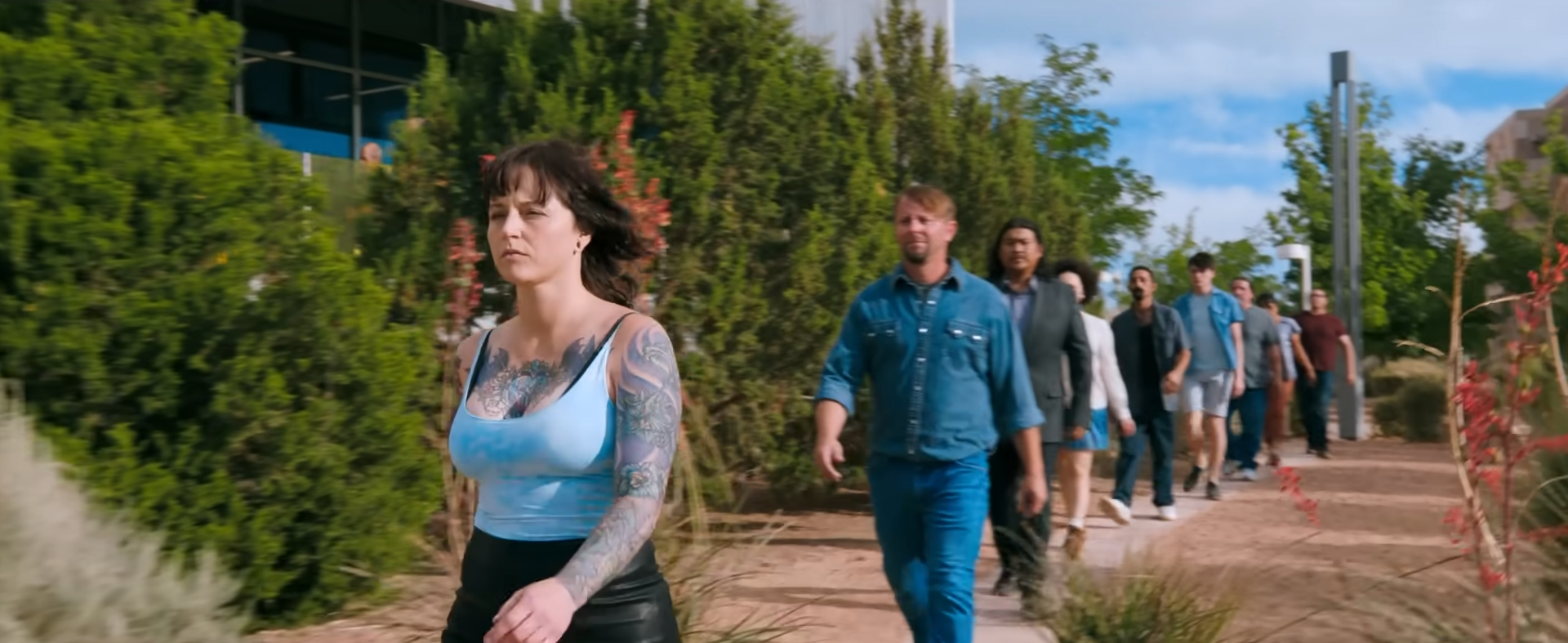
If Season 2 stages an immune civil war, the show will likely dramatize conflicts over eligibility, surveillance, and corrective technologies. Practical mechanisms—checkpoints, immunity certifications, and targeted communication campaigns—would become battlegrounds. Those logistic elements are already present in the series’ first season as instruments of order; their repurposing as instruments of exclusion is a natural narrative escalation with serious ethical implications.
Morally, such a conflict would force the series to confront the distributional consequences of remedial policies. Questions about who is allowed to move, who gets priority for scarce medicines, and who is subject to enforced quarantine would surface as central dilemmas. The show has habitually distributed culpability across networks; an internal conflict over immunity would intensify that distribution, making institutional accountability both more urgent and more complex.
Turning the series toward an immune civil war would shift the focus from discovering origins to adjudicating authority. The narrative would evolve from forensic mystery into political drama: the central problem becomes not merely what coordinated alignment is but who controls its criteria. That reframing aligns with the show’s existing interest in governance, but it raises stakes by turning administrative artifacts into instruments of partisan power.
Such a trajectory would also test the show’s ethical commitments. If remedial tools can be weaponized, the series must consider whether repair can be de‑politicized or whether any intervention inevitably produces winners and losers. The second season could thus function as a case study in the politics of technocratic solutions and the moral cost of implementing ordered stability in unequal societies.
Practically, viewers should watch for specific narrative signals that would confirm this direction: explicit debates about eligibility criteria, the emergence of competing certificates or rituals, and scenes where administrative decisions are publicized as political platforms. Those elements would convert procedural intrigue into public contestation and signal that the show intends to dramatize governance as contested terrain rather than neutral infrastructure.
In closing, the immune civil war theory offers a plausible and provocative frame for Pluribus Season 2. By positing Koumba and others as potential catalysts of factional conflict, the hypothesis ties character ambiguity to systemic dynamics. Whether the series adopts this path, the concept highlights how its central concerns—information, ritual, and institutional design—can be mobilized into a politically charged drama about who gets to belong and under what conditions.
At PaleyFest NY 2025, creators and cast of Pluribus discussed the show’s development, revealing that a central role was...
Pluribus concludes its inaugural season with Episode 9, “La Chica o El Mundo,” an ending that reframes earlier narrative...
Discussion around Pluribus has intensified since Season 1 concluded, with fans and commentators submitting theories that range from plausible...
Pluribus arrives as a deliberately paced, idea‑driven series that has polarized audiences and critics. The Apple TV show foregrounds...

© 2025 PLURIBUS SERIES | We are not affiliated with Apple TV+, our content is not official or endorsed by them in any way.