Breaking Bad 101
The Complete Critical Companion
The ultimate guide to the greatest show on television. Deep analysis, behind-the-scenes secrets, and exclusive insights.



Pluribus has emerged as one of the most talked‑about launches on Apple TV, prompting industry observers to consider whether the series could become the platform’s next flagship property. The show’s methodical pacing, emphasis on procedural detail, and moral complexity set it apart from conventional genre fare. Viewers and critics have taken note of how its restrained aesthetic and institutional focus create a distinctive dramatic identity.

The series distinguishes itself by privileging systems and processes over spectacle. Rather than center on immediate shocks, episodes accumulate consequence through ration lists, registry protocols, and ritualized social practices. This choice reframes suspense as the slow accrual of institutional effects, turning mundane artifacts into evidentiary elements that drive plot and theme.
Writers and showrunners have crafted a narrative architecture that rewards close viewing: recurring motifs, administrative artifacts, and restrained performances seed later payoffs. That tactic aligns with auteur‑driven serialized storytelling and positions the TV show as a work that encourages analysis and debate. Industry responses suggest that this intellectual rigor contributes to the series’ cultural traction.

Production design and cinematography support the show’s formal priorities, favoring a muted color palette, tactile sets, and tight framing that emphasize hands, documents, and faces. The result is a world that reads as plausibly improvised rather than theatrically post‑apocalyptic. That verisimilitude helps viewers accept institutional detail as central dramatic material.
Performance work is similarly restrained, with actors conveying interiority through small gestures and silences. Lead and supporting players use economy of expression to register moral fatigue and pragmatic calculation, which enhances the show’s ethical texture. Critics have noted that this ensemble approach deepens dramatic resonance by making bureaucratic choices feel intimately consequential.
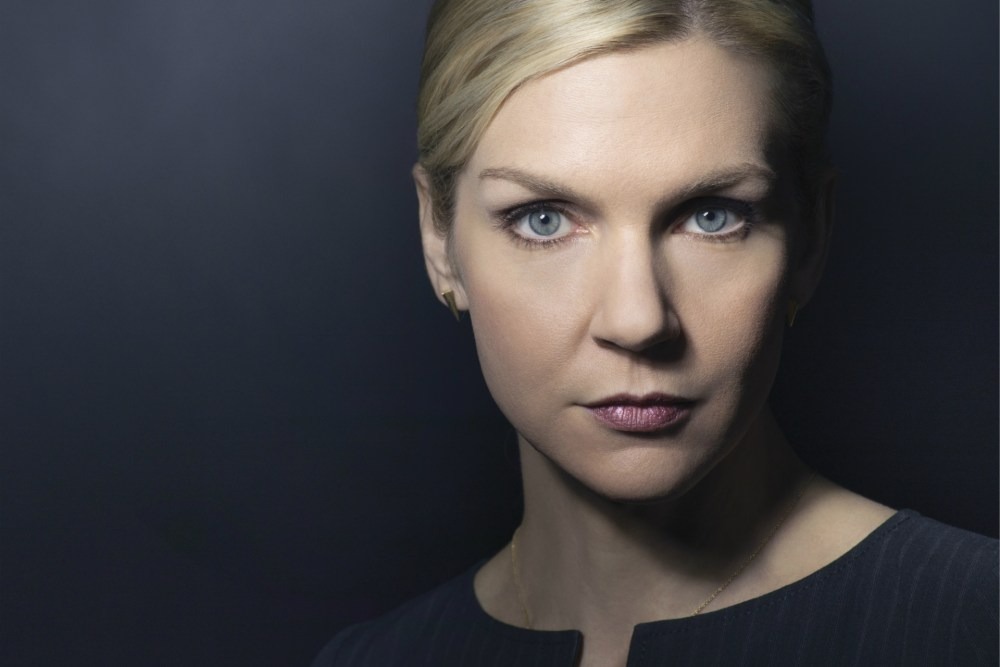
From a business perspective, Pluribus presents an attractive proposition for Apple TV: it is a show that can drive subscriptions through sustained critical conversation rather than spectacle alone. The series’ capacity to generate analytical discourse—about governance, consent, and institutional design—encourages social media engagement, think‑pieces, and repeat viewing. That extended engagement is valuable for a platform seeking long‑term audience investment.
Culturally, the program taps into contemporary anxieties about information architecture and social cohesion. By treating ritual and procedure as instruments of alignment, the show prompts viewers to consider how policies and practices shape collective life. That topicality extends the series’ appeal beyond genre fans to audiences interested in political and ethical drama, increasing its potential as a platform flagship.
Challenges remain: the show’s deliberate pacing and refusal to provide immediate resolution risk alienating viewers accustomed to faster narrative gratification. Marketing and audience education will be important to bridge expectation gaps, especially for viewers approaching the series with conventional genre templates. However, early critical acclaim and robust fan discussion indicate sufficient appetite for a serialized, thought‑driven drama.
In conclusion, Pluribus combines formal restraint, thematic ambition, and careful production craft to stake a claim as Apple TV’s potential flagship. The TV show’s emphasis on institutional mechanics and moral consequence sets it apart in a crowded streaming marketplace, offering a sustained, conversation‑driven experience that aligns with prestige serial drama strategies. If the platform supports continued creative investment and sustained audience engagement, the series is well placed to become a durable cultural touchstone for Apple TV.

At PaleyFest NY 2025, creators and cast of Pluribus discussed the show’s development, revealing that a central role was...
Pluribus concludes its inaugural season with Episode 9, “La Chica o El Mundo,” an ending that reframes earlier narrative...
Discussion around Pluribus has intensified since Season 1 concluded, with fans and commentators submitting theories that range from plausible...
Pluribus arrives as a deliberately paced, idea‑driven series that has polarized audiences and critics. The Apple TV show foregrounds...

© 2025 PLURIBUS SERIES | We are not affiliated with Apple TV+, our content is not official or endorsed by them in any way.