Breaking Bad 101
The Complete Critical Companion
The ultimate guide to the greatest show on television. Deep analysis, behind-the-scenes secrets, and exclusive insights.


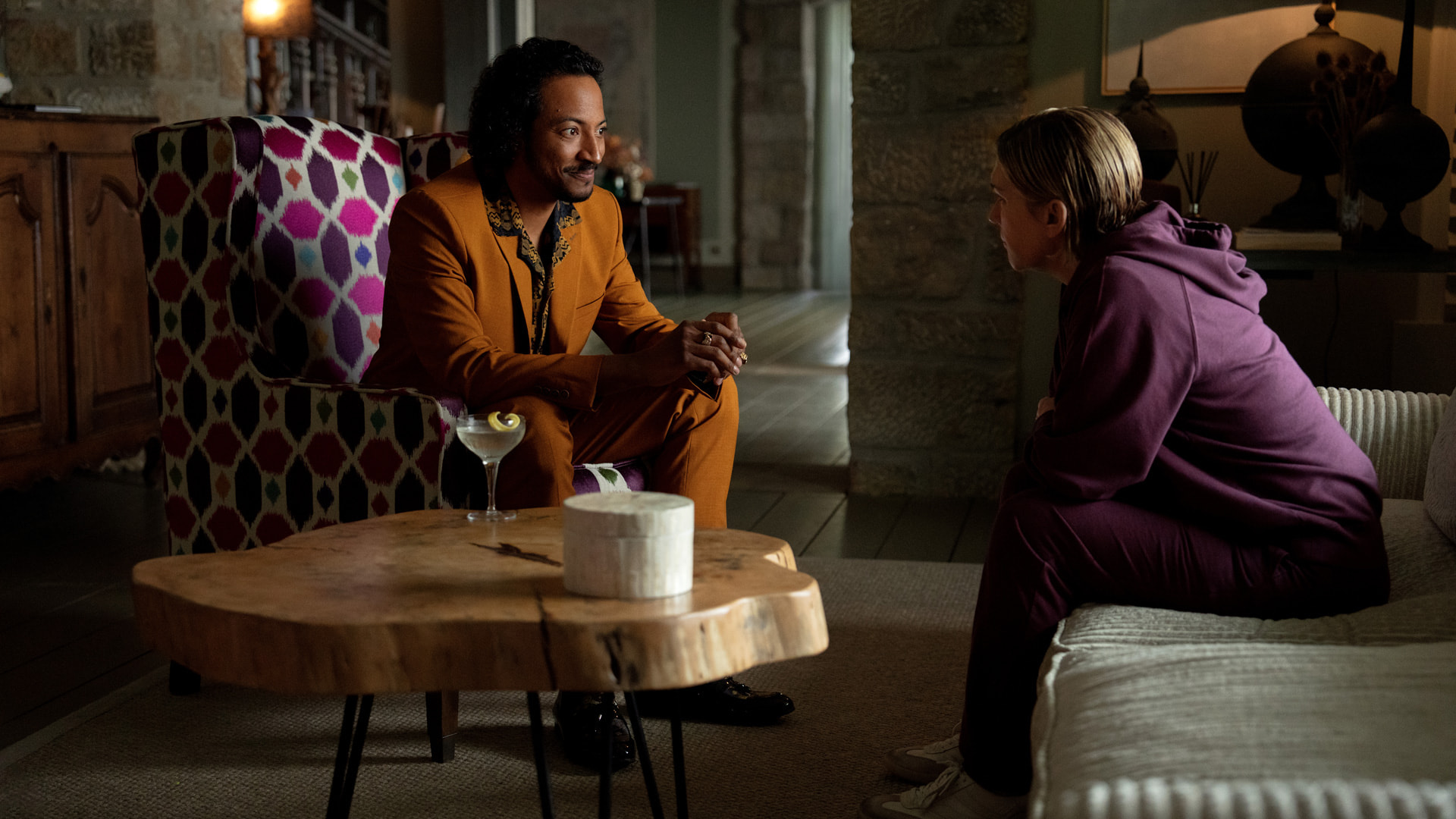
The season finale of Pluribus provoked significant debate about character choices, narrative ethics, and representation, particularly regarding the revelation of Carol Sturka’s sexuality. The Apple TV TV show closed its first season with decisions that some viewers praised for moral complexity while others criticized as manipulative. Fans and commentators have been parsing whether creative choices served thematic aims or inflamed cultural sensitivities.

The backlash surrounding the finale extended beyond routine disagreements about plot to reflect deeper cultural flashpoints. Viewers expressed frustration that certain character beats—especially the final revelations and moral reckonings—felt designed to provoke emotional responses rather than to resolve narrative threads. The intensity of response was magnified by online discourse, where snippets were amplified without always conveying the episode’s procedural context.
Cultural critics noted that part of the backlash stemmed from mismatched expectations: the series cultivates ambiguity and slow accumulation of consequence, while some audience sectors prefer clearer catharsis. The result was a polarized reception in which interpretive generosity clashed with demands for definitive moral accounting. That dynamic complicated conversations around the season’s thematic intentions and production choices.

Debate about Carol Sturka’s sexuality intersected with broader questions about why certain identities are narrated in particular ways. Supporters of the creative decision argued that the character’s orientation was consistent with ongoing efforts to portray complex, authentic people whose private lives cannot be reduced to plot devices. They contended that representation alone is not tokenistic if it emerges organically from character history and interpersonal dynamics.
Conversely, critics charged that the choice felt narratively instrumental, suggesting that identity reveal functioned primarily as emotional leverage in the finale’s moral calculus. That critique is part of a longstanding discussion about how minority identities are used in drama: whether such disclosures deepen characterization or serve as shorthand for audience empathy. The show’s creators have defended the decision as embedded in the character’s arc, while cultural observers continue to debate whether execution matched intent.

Pluribus’s creators operate in an environment where representation choices are inevitably politicized. The series’ interest in governance, information control, and moral compromise meant that the finale’s personal revelations read as political acts. For some viewers, the depiction of marginalized identity inside a morally fraught narrative heightened the stakes of accountability; for others, it raised questions about narrative responsibility and the ethics of using identity to complicate plot outcomes.
Industry analysts have pointed out that high‑profile shows on platforms like Apple TV carry amplified cultural weight, and creators must navigate audience expectations that now include ethical clarity about representation. The dispute over the finale thus became a proxy debate over narrative authority: to what extent can writers weaponize personal details to generate moral crisis, and when does that practice cross into exploitation of identity for dramatic effect?
Ultimately, the controversy highlights the evolving relationship between serialized storytelling and public interpretation. Pluribus is intentionally ambiguous, asking viewers to weigh procedural consequences and diffuse culpability rather than offering a single moral verdict. That posture can be fruitful intellectually but volatile in a media environment that quickly reduces complex narratives to shareable claims and outraged headlines.
Moving forward, the conversation around Pluribus suggests several lines of inquiry for creators and critics alike: how to integrate representation into plot with respect and depth, how to manage audience expectations around ambiguity, and how to design endings that align thematic intent with ethical responsibility. For a TV show that aims to probe governance and moral compromise, the debate reflects both the narrative ambition and the political sensitivity required when characters’ private lives are woven into public reckonings.

Pluribus has polarized audiences with its deliberate pacing and dense procedural logic, prompting debates about whether the series’ ambiguity...
Pluribus has emerged as a polarizing entry on Apple TV, prompting debate over whether the series depicts an alien...
Episode 5 of Pluribus, titled “Got Milk,” turns a domestic commodity into a lens on social organization and emergent...
Debate about Pluribus has centered on the nature of the signal that appears to accompany societal alignment, and a...

© 2025 PLURIBUS SERIES | We are not affiliated with Apple TV+, our content is not official or endorsed by them in any way.