Breaking Bad 101
The Complete Critical Companion
The ultimate guide to the greatest show on television. Deep analysis, behind-the-scenes secrets, and exclusive insights.


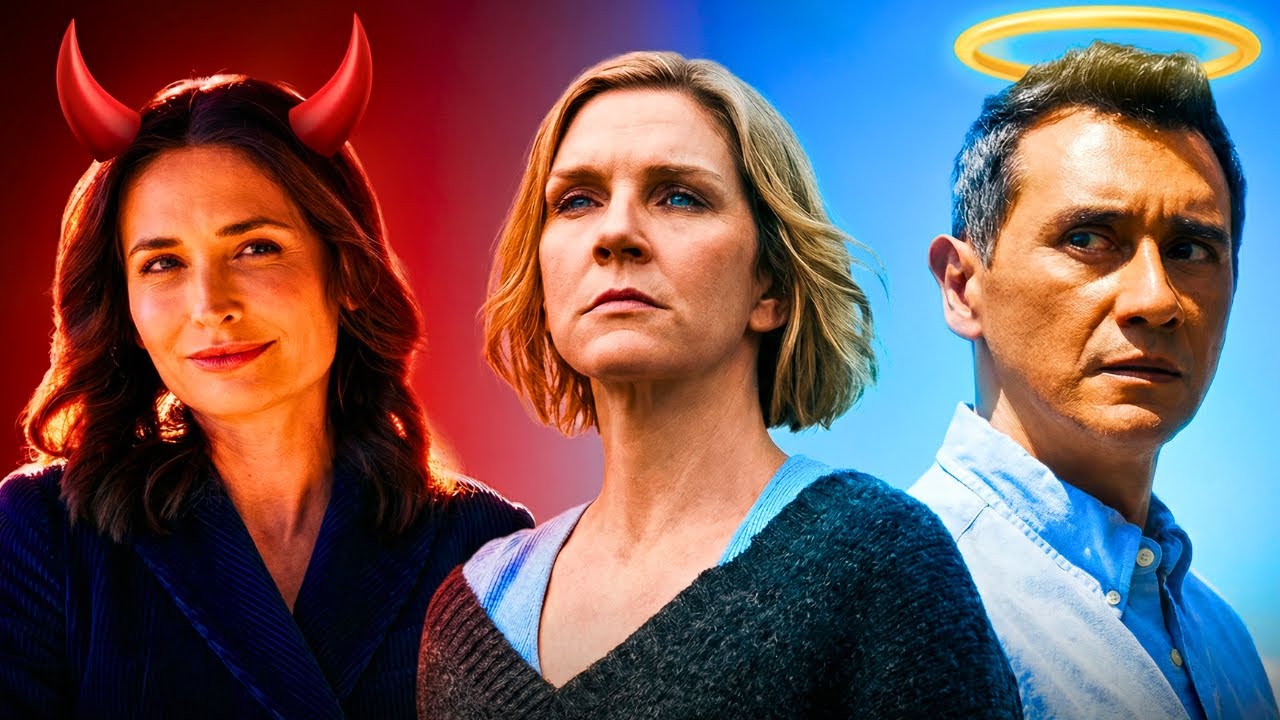
Members of the Pluribus creative team and cast convened at the SAG-AFTRA Foundation to discuss the Apple TV series’ origins, themes, and production choices. The conversation, featuring writer-executive producer Alison Tatlock and lead actors, emphasized the show’s focus on procedural governance and moral ambiguity. Viewers and critics have noted that the event clarified the series’ intellectual aims and theatrical challenges.

Alison Tatlock outlined the series’ development as a deliberate inversion of conventional apocalyptic storytelling, aiming to dramatize systems rather than spectacle. The writers emphasized how small administrative acts—ration logs, registry protocols, ritualized greetings—were scripted as narrative devices to reveal power dynamics. This design choice positions the TV show as an inquiry into how institutions consolidate authority through mundane practices.
Speakers discussed the research process behind the show’s institutional details, noting consultations with policy experts and historical case studies of social coordination. The production’s attention to procedural realism was framed as essential to the series’ credibility: by making governance legible through artifacts and protocols, the series invites viewers to analyze rather than simply consume the drama. That analytical invitation has become a recurring point in critical responses to Pluribus.
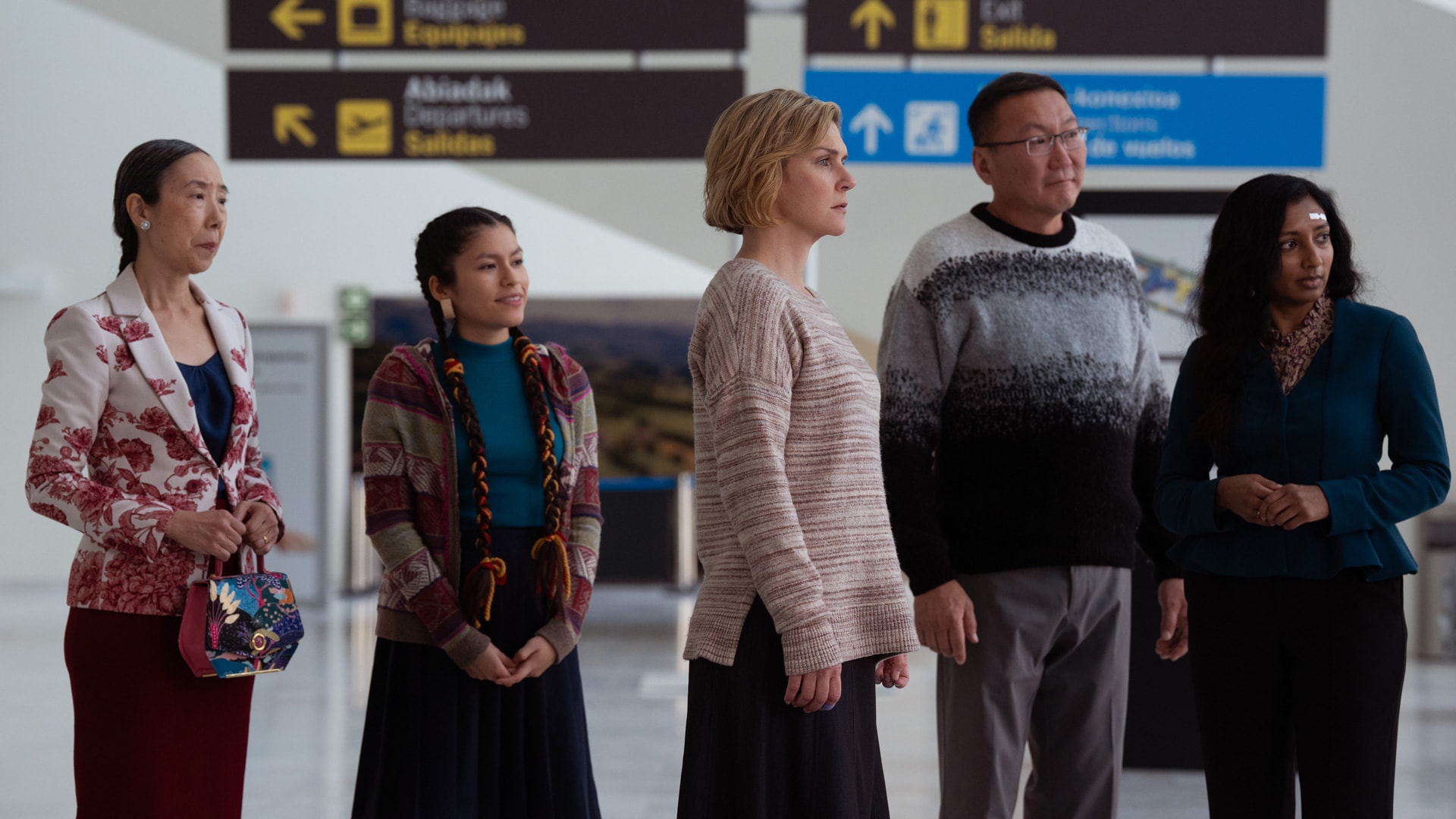
Actors addressed the challenge of portraying characters whose ethical calculus shifts incrementally over time. Rhea Seehorn and colleagues described rehearsal practices that emphasized silence, gesture, and the accumulation of small decisions as means of revealing interiority. Performers noted that the show’s restraint required precise physicality—micro-expressions, economy of movement—that would signal moral strain without rhetorical exposition.
Panelists also addressed how ensemble dynamics were rehearsed to reflect networks of responsibility rather than isolated heroism. Scenes of council deliberation and resource adjudication were staged to show distributed agency, with supporting actors contributing crucial beats that reframe protagonists’ choices. Fans have noticed that this ensemble approach gives the TV show its ethical texture, making culpability a matter of systems as much as of individuals.

Designers and sound professionals on the panel explained how aesthetic choices serve the series’ thematic aims. Production design favors repurposed objects and utilitarian signage to convey a society reworked through improvisation, while sound design uses recurring motifs and restrained scoring to make ritualized behaviors feel invasive. These technical elements function as narrative evidence, helping to dramatize how culture and procedure interact.
The creative team discussed the decision to foreground documentary-like artifacts—forms, ledgers, stamps—in visual storytelling, arguing that such details enable viewers to trace institutional logic. This decision aligns with the show’s broader political enquiry: by making the mechanics of governance visible, the TV show asks whether stability created through procedural means can be reconciled with individual autonomy. Thematically, that tension continues to animate audience and critical debate.
In closing, the SAG-AFTRA Foundation conversation illuminated the collaborative intents behind Pluribus, from scripting and performance to design and sound. The event reinforced the series’ positioning on Apple TV as a program that privileges procedural complexity and moral nuance over spectacle. For viewers and critics interested in how serialized drama can interrogate governance, the discussion underscored Pluribus’ ambition to translate institutional theory into character-driven narrative.
Pluribus has emerged as a polarizing entry on Apple TV, prompting debate over whether the series depicts an alien...
Episode 5 of Pluribus, titled “Got Milk,” turns a domestic commodity into a lens on social organization and emergent...
Debate about Pluribus has centered on the nature of the signal that appears to accompany societal alignment, and a...
At PaleyFest NY 2025, creators and cast of Pluribus discussed the show’s development, revealing that a central role was...

© 2025 PLURIBUS SERIES | We are not affiliated with Apple TV+, our content is not official or endorsed by them in any way.