
The latest episode of Vince Gilligan’s sci-fi thriller Pluribus delivers an unexpectedly intimate character study that challenges everything we thought we knew about survival, loneliness, and the human cost of absolute freedom.
When Freedom Becomes a Prison
Pluribus Episode 7, titled “The Gap,” pulls off a remarkable narrative trick. What many viewers anticipated would center on Manus’s treacherous journey through the Darién Gap actually becomes a dual character exploration that asks a haunting question: What happens when you get everything you wanted, but lose everything you need?
The episode opens with Carol Sturker 415 miles from Las Vegas, humming R.E.M.’s “It’s the End of the World as We Know It”—a choice that feels both darkly appropriate and tragically prophetic. She’s finally free from the others, safe in the knowledge that they can’t force her into the joining without her consent. But this freedom comes with a price tag that becomes devastatingly clear over the episode’s 46-minute runtime.
The Mask of Confidence
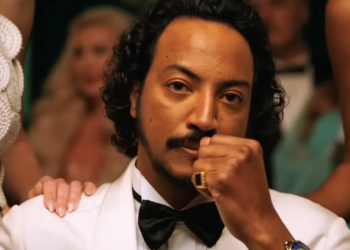
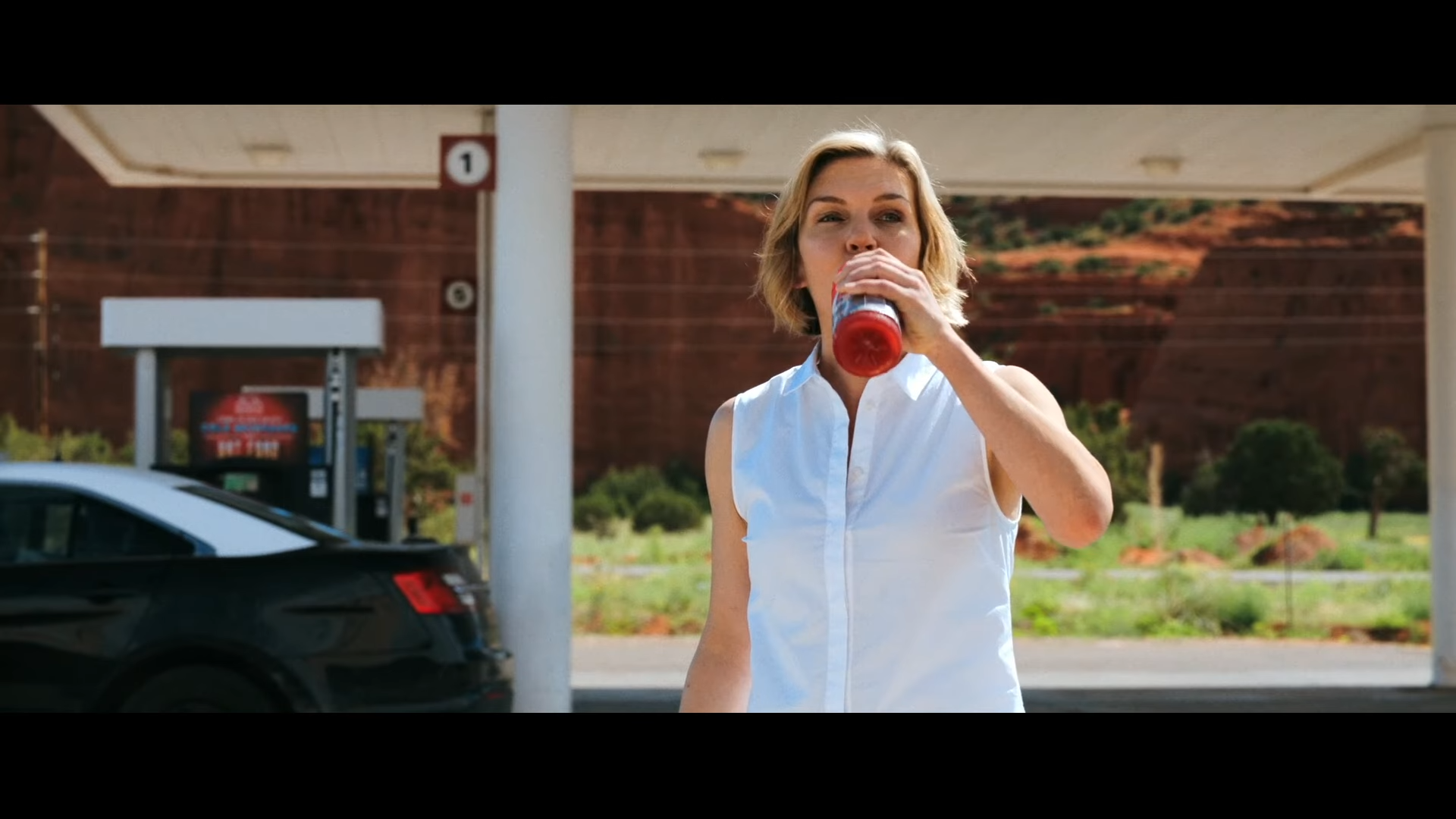
Twelve days after joining, Carol has transformed into someone almost unrecognizable. Gone is the cautious, defensive woman we’ve watched for six episodes. In her place stands someone demanding, arrogant, and uncomfortably reminiscent of Kumba at his worst.
At a gas station in the desert, Carol barks orders like a tyrant: switch on the pump, bring me an ice-cold red Gatorade, this isn’t cold enough—do better. It’s jarring to watch, and if you already disliked Carol, this version cements that feeling. She’s not just surviving anymore; she’s performing a twisted version of empowerment that rings hollow from the start.
The fireworks Carol sets off at her home tell the real story. She sings “The Stars and Stripes Forever” alone, a single beer missing from a four-pack, a clown decoration mocking her solitary celebration. When wolves howl in the distance, her mask slips for just a moment before she defiantly howls back—joining a pack she’ll never truly be part of.
Living the Post-Apocalyptic Dream (Or Is It?)
What follows is essentially every “last person on Earth” fantasy brought to life. Carol plays golf (with a buffalo roaming the course), upgrades from her police cruiser to a luxury vehicle, lounges at a spa, and claims a genuine Georgia O’Keeffe painting—”Bella Donna”—for her living room.
But here’s where Gilligan’s writing shines: Every indulgence feels empty. Carol keeps her weapon by the golf clubs, still afraid despite knowing no one’s coming for her. The O’Keeffe painting she covets depicts a beautiful but deadly nightshade flower—a perfect metaphor for the individualism this show keeps examining. Freedom is gorgeous, but as Pluribus reminds us week after week, unchecked freedom breeds destruction.
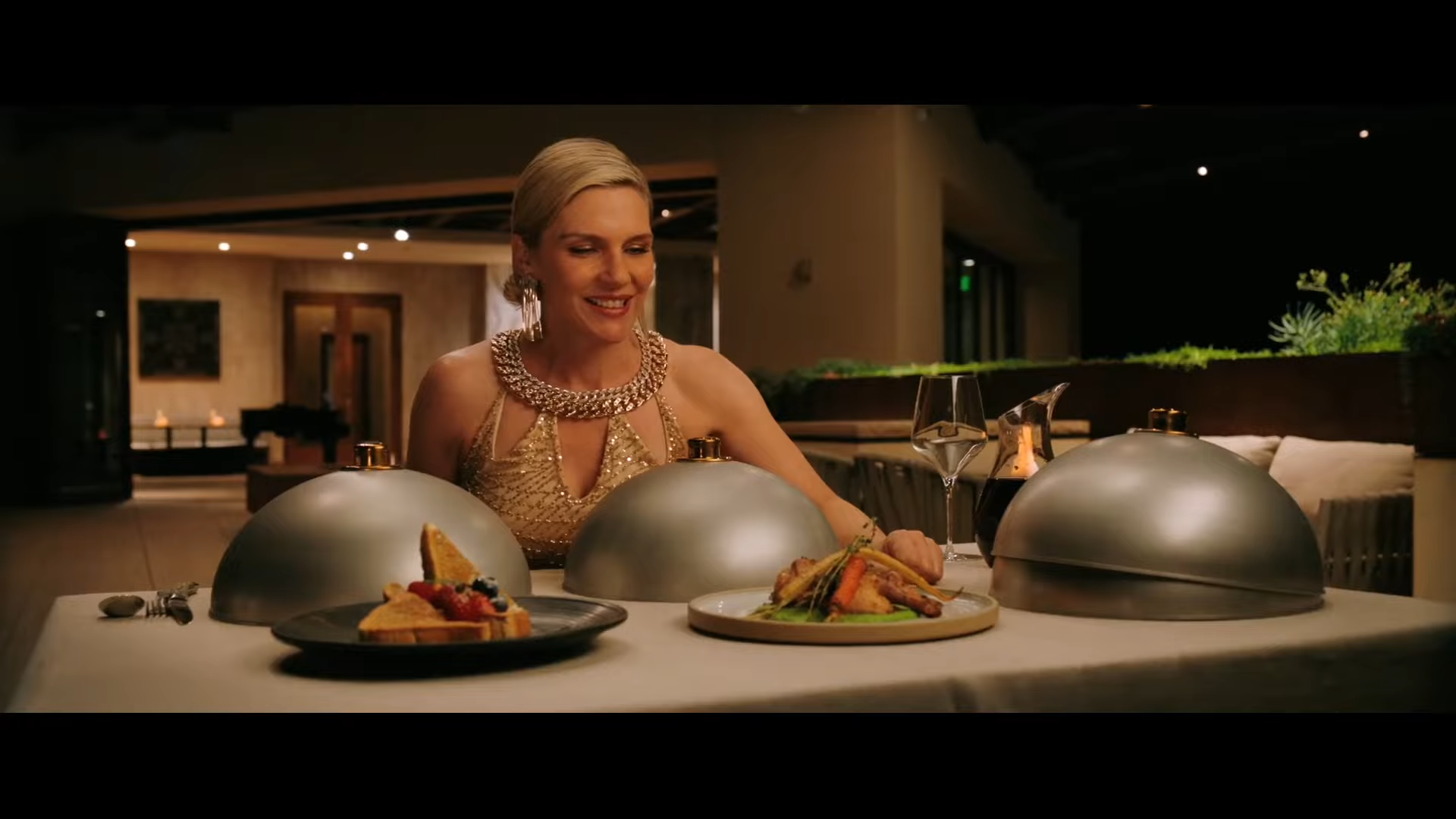
The breaking point comes during a carefully orchestrated dinner where Carol recreates dates with her late wife, Helen. She orders wine from their 1999 vineyard visit, meals from Helen’s 2008 birthday. As crickets echo across the empty city and an auto piano plays “I Will Survive,” Carol’s face finally drops. The mask crumbles. She’s not living—she’s just surviving, and barely at that.
Manus: The True Hero Emerges
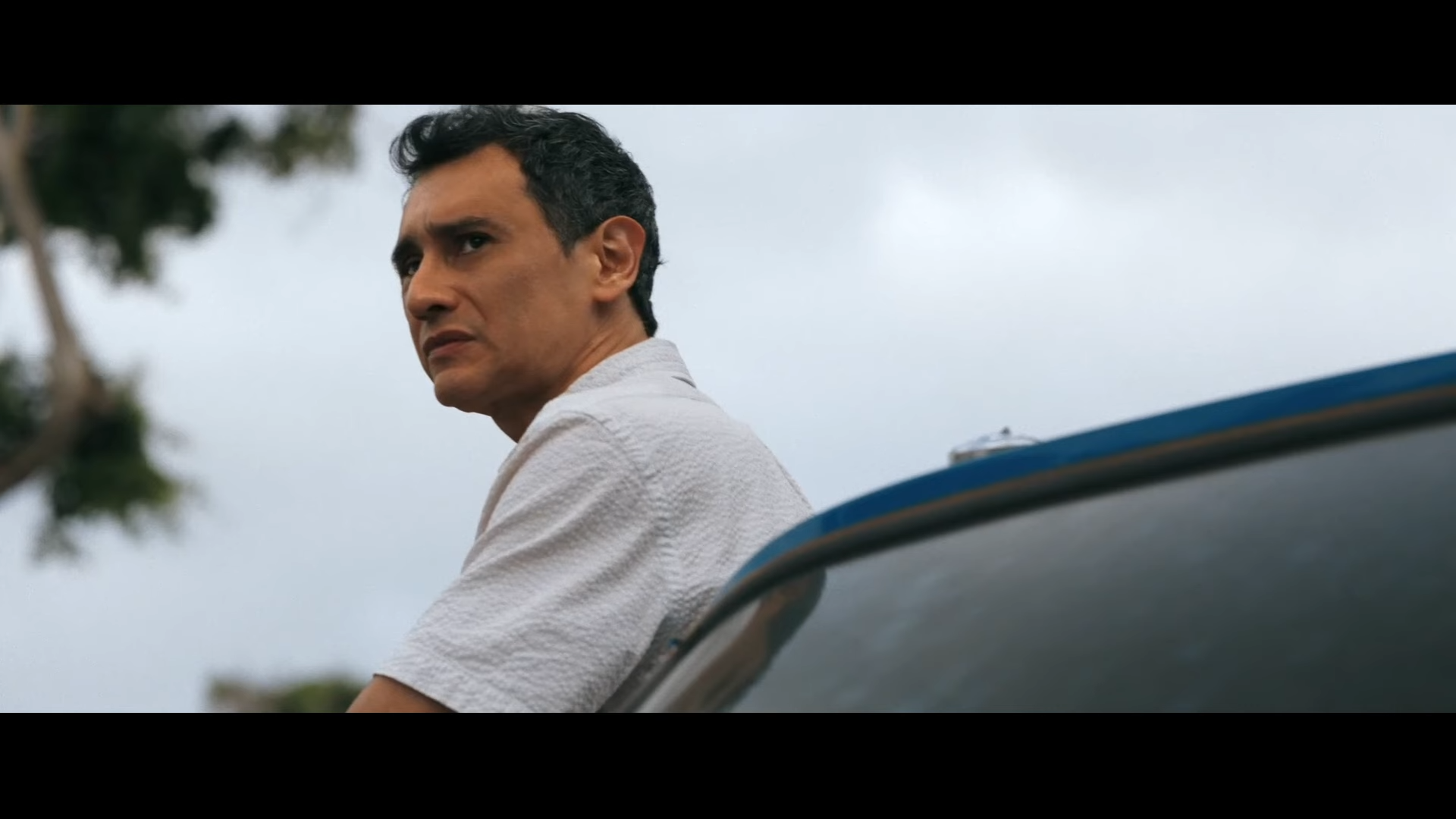
While Carol plays in her empty playground, Manus is fighting for his life and the future of humanity itself. His journey through South America provides the episode’s backbone and arguably its soul.
We find him siphoning gas from abandoned cars, practicing English phrases (“The cat is gray”), and preparing for the most dangerous leg of his journey: the Darién Gap, a notoriously hostile stretch of jungle between Panama and Colombia.
When the others offer to help him—to transport him and his beloved car to New Mexico—Manus delivers what might be the best line in the entire series: “Nothing on this planet is yours. You can give me nothing because it’s stolen. You don’t belong here.”
The blank expressions on the others’ faces suggest they may have actually felt something like offense for the first time. And Manus? He’d rather risk death in a jungle full of cartel traps and venomous creatures than accept their help.
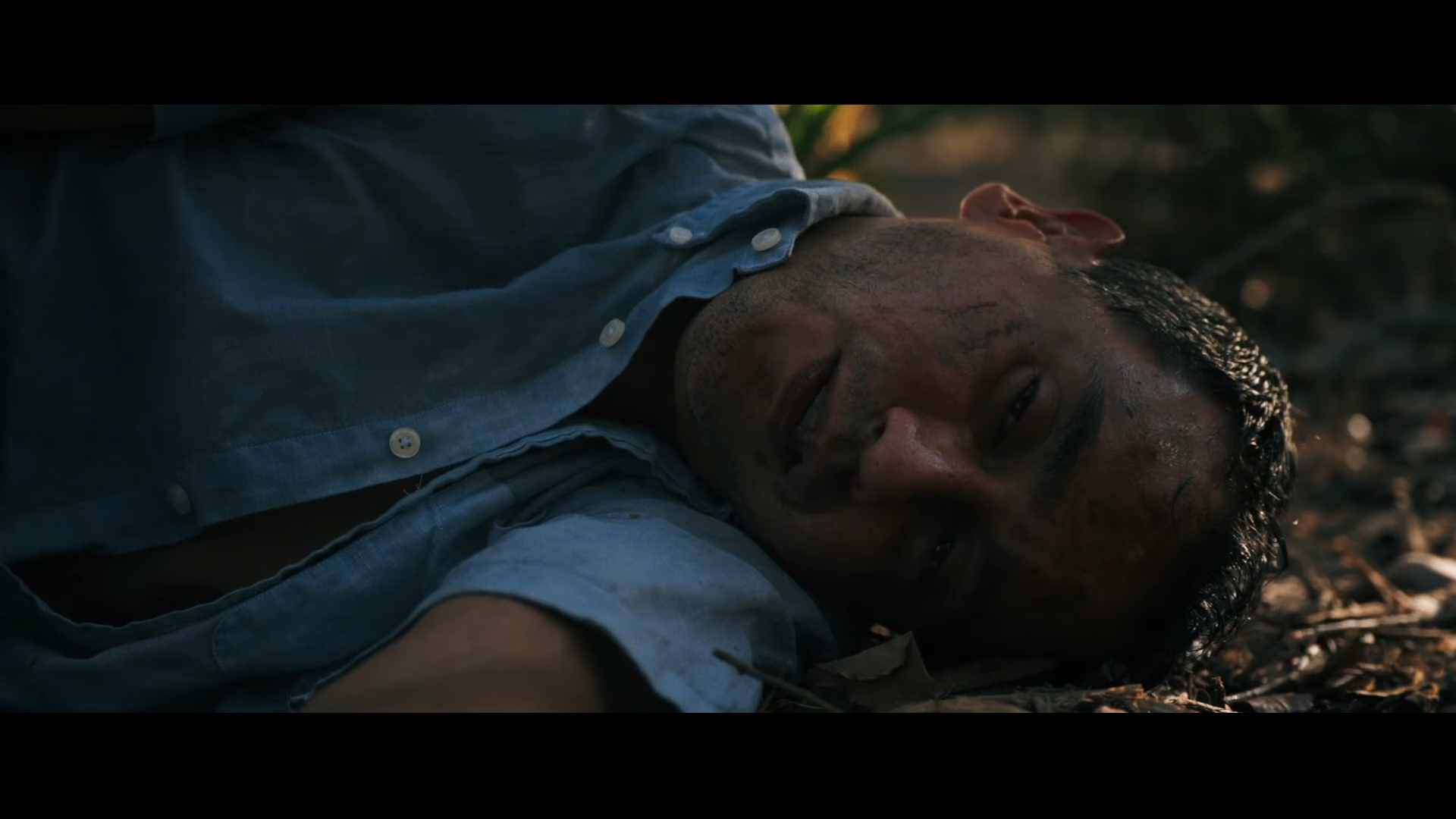
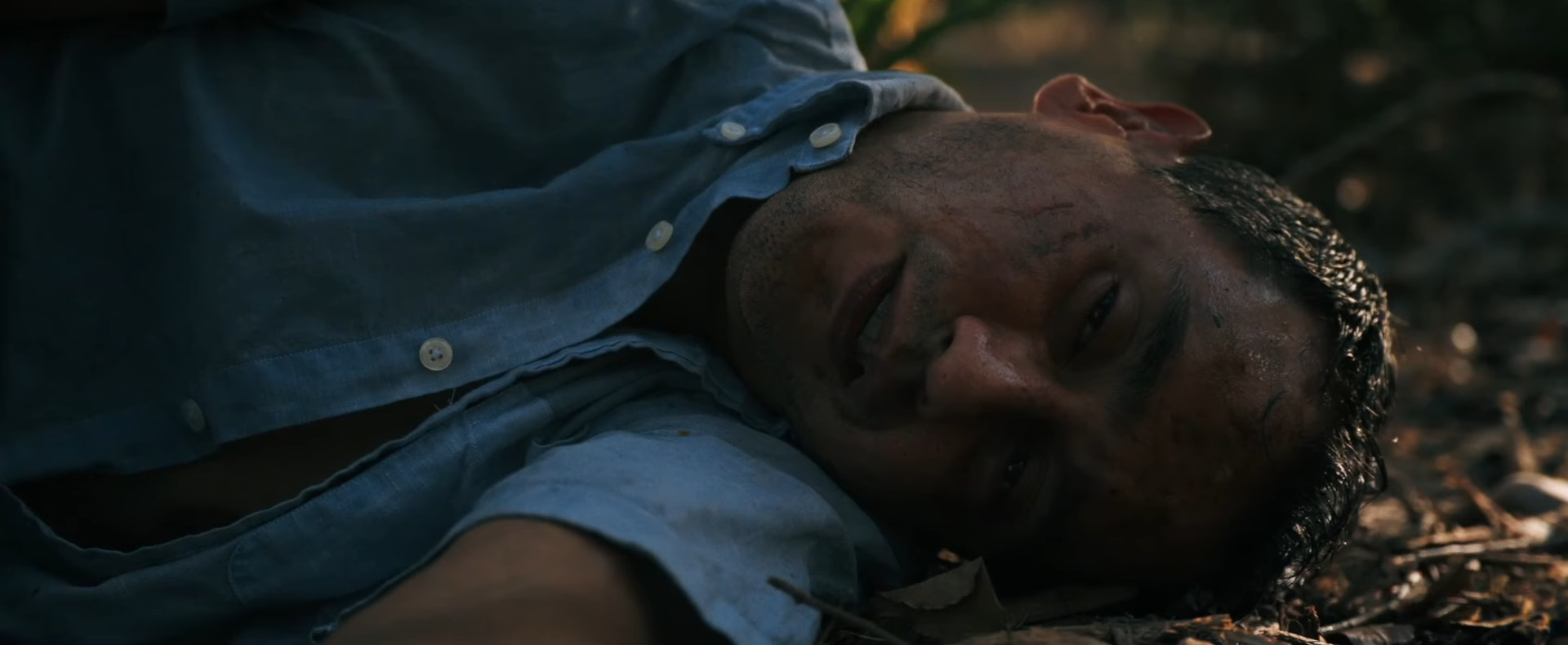
As he pushes through the swamp, cutting vines and dodging dangers, Manus repeats his mantra: “My name is Manus Sovieti. I’m not one of them. I wish to save the world.” When he inevitably falls into a trap (this show loves its tension), the helicopter watching him swoops in to rescue him whether he wants it or not.
The contrast between the two storylines is brilliant: Carol complains about lukewarm Gatorade on one continent while Manus collects rainwater and fishes to survive on another. One character has every luxury and feels nothing; the other has nothing and carries the weight of saving humanity.
The Breakdown: 48 Days Later
The episode’s final act jumps forward 36 days, and the transformation is complete—just not the one Carol intended. She’s been reliving the same empty days, lighting fireworks that she barely bothers to move away from. When one slides dangerously close, she doesn’t flinch. Why would she?
In a moment of desperate clarity, Carol writes a message on the ground for the others to see from above: “Come back.”
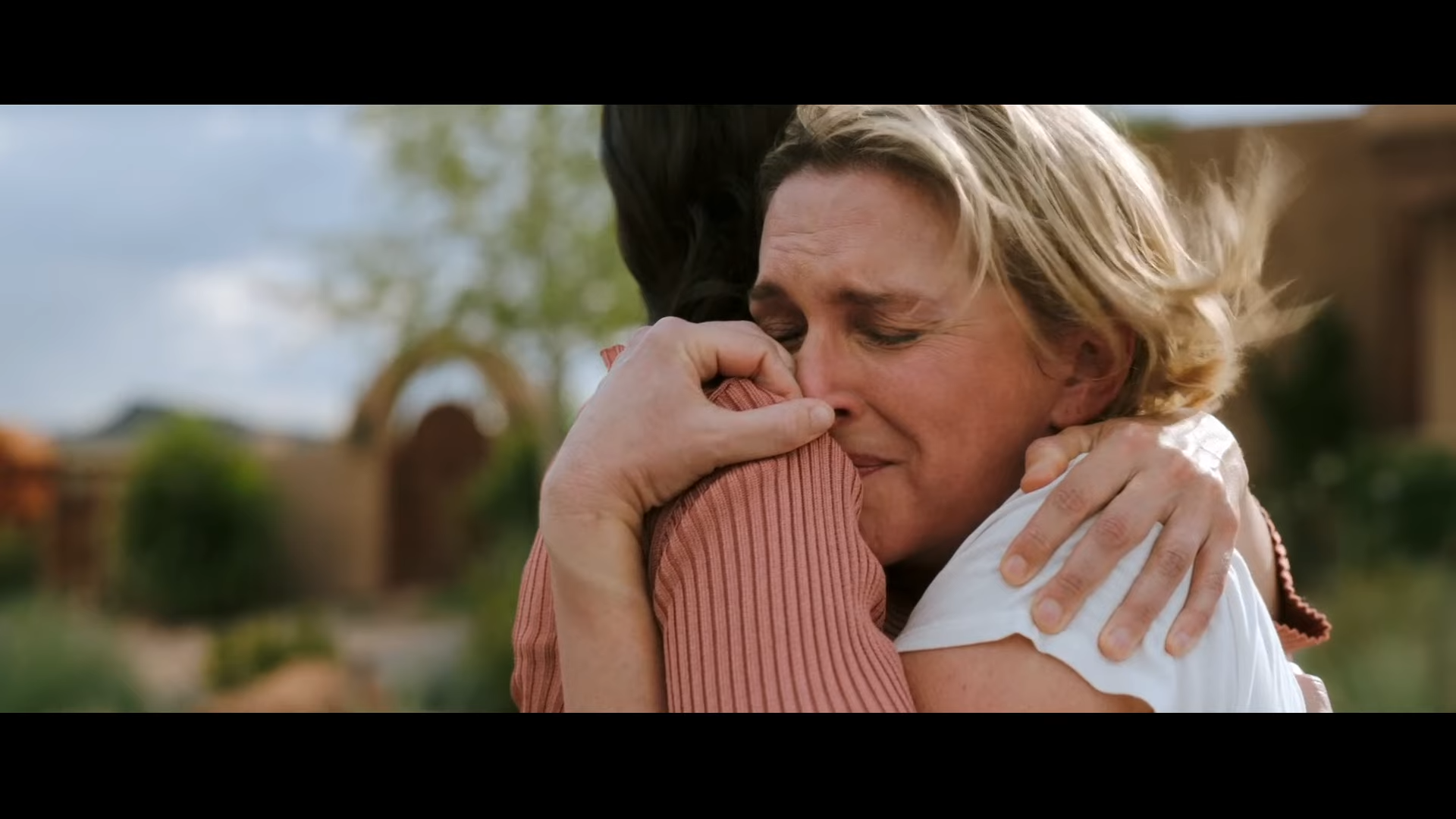
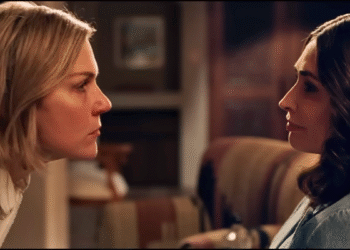
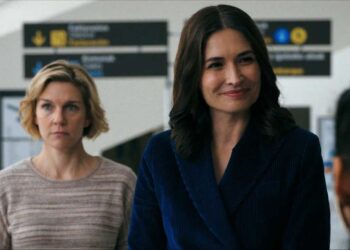
When Zosa appears—the first human contact in over a month—Carol breaks. She runs to her, embraces her, and completely falls apart. It’s the most vulnerable we’ve seen this character, and it’s devastating because we’ve watched every step of her journey to this point.
The song from the opening finally makes sense. Carol wondered if she’d feel fine at the end of the world. Thirty-six days of absolute freedom gave her the answer: No. She doesn’t feel fine at all.
The Bigger Picture
“The Gap” isn’t going to win everyone over. Some will call it a filler episode, and it’s true that the pacing feels more contemplative than previous installments. But dismissing it would miss the point entirely.
This episode shows us something crucial: Carol Sturker might not be the hero of this story. That honor likely belongs to Manus, a man we’ve barely understood through language but completely understand through action. We don’t need translation to see his kindness, his determination, or his humanity.
Vince Gilligan has crafted something unusual here—a protagonist with virtually no redeeming qualities seven episodes in. Carol is difficult, self-centered, and at times cruel. But that’s what makes Pluribus so fascinating. It’s not interested in easy heroes or comfortable moral frameworks. It’s asking harder questions about what we’d become if all constraints were removed.
Looking Ahead
With a Boxing Day season finale approaching and a second season already commissioned, Pluribus has room to breathe and explore its themes without rushing toward easy resolutions. This first season feels like an extended character study disguised as a sci-fi thriller—and somehow, that makes it the most compelling show of the season.
The question now isn’t whether Carol will find a way to reverse the joining (that seems reserved for season two). The question is whether she can find a way to reverse what’s happened to herself.
And whether Manus, still recovering in a hospital somewhere, will reach her before she loses what’s left of her humanity entirely.
Rating: 8.5/10 – Not the strongest episode visually, but a crucial character piece that sets the stage for whatever comes next.
What about you? If the joining happened tomorrow, would you be Carol, Kumba, or Manus? The answer might say more about you than you’d like to admit.